Fire protection is an important part of battery energy storage system design. Because battery cells and electrical components are installed inside a compact enclosure, fire protection needs to be considered at both the battery level and the overall system level.
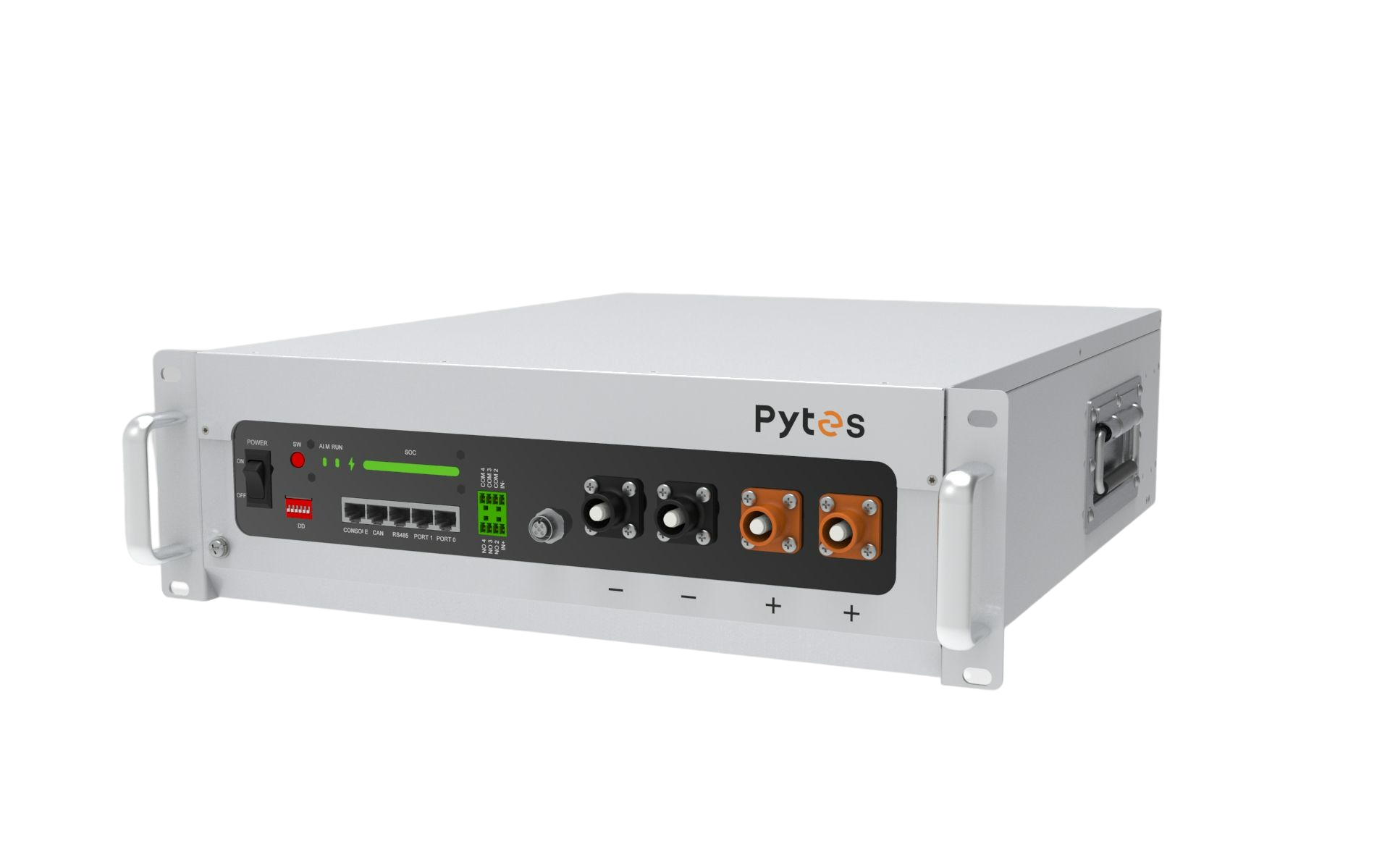
At Pytes, we incorporate aerosol fire suppression into the safety design of the V16. The suppression function is integrated directly into the battery enclosure rather than being designed as a completely separate component.
What Is Aerosol Fire Suppression?
An aerosol fire suppression system uses a solid aerosol-generating agent. When activated, it releases fine particles into the protected enclosure to help suppress combustion.
For battery applications, its compact form makes it suitable for integration into the battery enclosure. The suppression module can be incorporated into the battery's overall safety design without requiring a separate standalone suppression unit around the battery.
The specific activation and suppression characteristics depend on the design and specifications of the suppression module.
Why Is It Used in Battery Energy Storage Systems?
A battery enclosure contains cells, electrical connections, and other components within a limited space. If a fire-related event occurs inside the enclosure, having a suppression function within the same protected area can provide an additional layer of protection.
This is one reason aerosol fire suppression can be considered as part of battery-level safety in an energy storage system.
It is not a replacement for the BMS, electrical protection, proper installation, or other safety measures. Instead, it works alongside these functions as part of the overall battery safety design.
What Are the Benefits of an Integrated Design?
For an installer, an integrated design can simplify equipment planning.
A separate suppression system requires additional consideration for equipment placement and integration with the battery enclosure. When the suppression module is incorporated into the battery during product design, the function is already included within the battery structure.
This can help keep the equipment arrangement more compact, particularly for residential and small commercial energy storage projects where installation space may be limited.
How Does Pytes V16 Use This Approach?
The Pytes V16 incorporates an aerosol fire suppression module into the battery itself. Fire protection is therefore considered as part of the battery design rather than as a completely separate component added around the system.
For installers, this means the integrated suppression function can be considered when selecting and planning the battery for an energy storage project.
As with other battery safety functions, installation should follow the V16 documentation and applicable local electrical and fire safety requirements.
What Should You Consider When Selecting a Battery?
When evaluating an energy storage battery, it is worth checking what fire protection functions are already integrated into the product and what additional measures may be required for the complete installation.
An integrated aerosol solution can be practical when equipment space is limited and the project requires fire protection within the battery enclosure.
With the V16, Pytes has incorporated an aerosol fire suppression module directly into the battery, making fire suppression part of the battery's integrated safety design rather than an entirely separate installation component.
https://www.pytesess.com/industry/Aerosol-Fire-Suppression-in-Battery-Energy-Storage-Systems.html
Pytes