Alloy sheet metal plays a critical role in modern engineering and industrial manufacturing. It is widely used in aerospace systems, automotive production, construction structures, energy equipment, and precision machinery. Engineers and procurement specialists rely on alloy sheet metal when standard carbon steel cannot meet performance requirements.
Unlike basic steel sheets, alloy sheet metal is engineered by combining iron with additional elements such as chromium, nickel, molybdenum, titanium, or manganese. These alloying elements significantly enhance mechanical strength, corrosion resistance, heat resistance, and durability.
As industries continue to demand materials that perform under extreme conditions, alloy sheet metal has become an essential solution for high-performance applications.
What Is Alloy Sheet Metal
Alloy sheet metal refers to flat-rolled metal products made from alloy steel or non-ferrous alloys. The base metal is typically iron, aluminum, or nickel, combined with other elements to improve specific properties.
The goal of alloying is to enhance performance beyond what pure metals or simple carbon steel can achieve.
Depending on composition, alloy sheet metal can be:
-
Low alloy steel sheet
-
High alloy steel sheet
-
Stainless alloy sheet
-
Aluminum alloy sheet
-
Nickel alloy sheet
Each type serves different industrial purposes.
Why Alloy Sheet Metal Is Important in Modern Industry
Superior Mechanical Strength
Alloy sheet metal offers higher tensile strength compared to standard steel sheets. This makes it suitable for heavy-duty structural and mechanical applications.
Improved Corrosion Resistance
Elements such as chromium and nickel significantly improve resistance to rust and chemical corrosion.
This is especially important in marine, chemical, and outdoor environments.
High Temperature Performance
Certain alloy sheet metals maintain stability at elevated temperatures.
This makes them ideal for aerospace engines, turbines, and industrial furnaces.
Enhanced Wear Resistance
Alloying improves surface hardness and reduces wear in demanding applications.
Types of Alloy Sheet Metal
Stainless Alloy Sheet Metal
Stainless alloy sheet metal contains at least 10.5% chromium.
It is widely used due to its corrosion resistance and clean appearance.
Applications include:
-
Food processing equipment
-
Medical tools
-
Architectural panels
-
Chemical tanks
Aluminum Alloy Sheet Metal
Aluminum alloy sheet metal is lightweight yet strong.
Common uses include:
-
Aircraft structures
-
Automotive panels
-
Packaging
-
Transportation equipment
Nickel Alloy Sheet Metal
Nickel alloys are designed for extreme environments.
They are used in:
-
Aerospace engines
-
Power generation systems
-
Chemical processing plants
Titanium Alloy Sheet Metal
Titanium alloys provide excellent strength-to-weight ratio.
They are widely used in:
-
Aerospace components
-
Medical implants
-
High-performance engineering systems
Low Alloy Steel Sheet Metal
Low alloy steel contains small amounts of alloying elements.
It is commonly used in:
-
Construction equipment
-
Structural frameworks
-
Industrial machinery
Chemical Composition of Alloy Sheet Metal
The composition varies depending on the type of alloy, but typical elements include:
| Element | Function |
|---|---|
| Chromium | Corrosion resistance |
| Nickel | Toughness and heat resistance |
| Molybdenum | Strength and wear resistance |
| Titanium | Stability and grain refinement |
| Manganese | Strength and hardness |
Each element contributes to improving performance characteristics.
Mechanical Properties of Alloy Sheet Metal
| Property | Typical Range |
|---|---|
| Tensile Strength | 400–1500 MPa |
| Yield Strength | 250–1200 MPa |
| Elongation | 10%–40% |
| Hardness | Varies by alloy |
| Density | Material dependent |
These properties make alloy sheet metal suitable for demanding applications.
Manufacturing Process of Alloy Sheet Metal
Raw Material Selection
High-quality base metals and alloying elements are selected carefully.
Melting and Alloying
Metals are melted in controlled furnaces and combined to achieve desired chemical composition.
Casting
Molten metal is cast into slabs or billets.
Hot Rolling
The material is rolled into sheet form under high temperatures.
Cold Rolling
Cold rolling improves surface finish and dimensional accuracy.
Heat Treatment
Heat treatment processes enhance strength, ductility, and hardness.
Surface Finishing
Common finishes include:
-
Polished
-
Brushed
-
Coated
-
Anodized (for aluminum alloys)
Key Applications of Alloy Sheet Metal
Aerospace Industry
Aircraft structures require lightweight and high-strength materials.
Alloy sheet metal is used for:
-
Aircraft skins
-
Engine components
-
Structural frames
Automotive Industry
Automakers use alloy sheet metal for:
-
Body panels
-
Chassis components
-
Safety structures
Construction Industry
Modern architecture relies on alloy sheet metal for:
-
Curtain walls
-
Roofing systems
-
Structural reinforcements
Energy Sector
Power plants and renewable energy systems use alloy sheet metal in:
-
Turbines
-
Heat exchangers
-
Structural supports
Marine Industry
Ships and offshore platforms require corrosion-resistant materials.
Nickel and stainless alloy sheet metals are commonly used.
Advantages of Alloy Sheet Metal in Engineering
High Strength-to-Weight Ratio
Alloy sheet metal provides strong performance without excessive weight.
This is especially important in aerospace and automotive design.
Excellent Durability
Alloy materials resist deformation, corrosion, and fatigue over time.
Versatile Processing
Manufacturers can cut, weld, and form alloy sheet metal using standard industrial methods.
Long Service Life
Components made from alloy sheet metal often last longer under harsh conditions.
Limitations of Alloy Sheet Metal
Higher Cost
Alloying elements increase production costs compared to carbon steel.
Complex Processing
Some alloys require specialized welding and machining techniques.
Availability Variation
Certain high-performance alloys may have longer lead times.
Quality Control in Alloy Sheet Metal Production
Chemical Testing
Ensures correct alloy composition.
Mechanical Testing
Measures strength, hardness, and elongation.
Surface Inspection
Detects defects such as cracks or scratches.
Dimensional Control
Ensures thickness and width accuracy.
Common Challenges in Alloy Sheet Metal Procurement
Price Fluctuation
Alloying elements such as nickel and chromium affect pricing.
Quality Variation
Low-quality suppliers may produce inconsistent materials.
Long Lead Times
Special alloys may require extended production time.
Incorrect Specification
Misunderstanding grade requirements can lead to project failures.
How to Choose a Reliable Alloy Sheet Metal Supplier
Production Capability
Suppliers should have advanced rolling and processing equipment.
Quality Certification
Look for ISO, ASTM, or EN compliance.
Testing System
Reliable suppliers provide full inspection reports.
Export Experience
International logistics experience ensures smooth delivery.
Customization Ability
A good supplier can provide cutting, finishing, and packaging services.
Why Jiangsu Xuda Steel Industry Co., Ltd. Is a Trusted Supplier
Jiangsu Xuda Steel Industry Co., Ltd. is a professional manufacturer and exporter of steel and alloy products.
The company is located in Wuxi, one of China’s largest steel production hubs.
Advanced Manufacturing Systems
The company operates modern production lines imported from Germany, Japan, and the USA.
These include:
-
Decoiling systems
-
Laser cutting machines
-
Water jet cutting systems
-
Polishing production lines
-
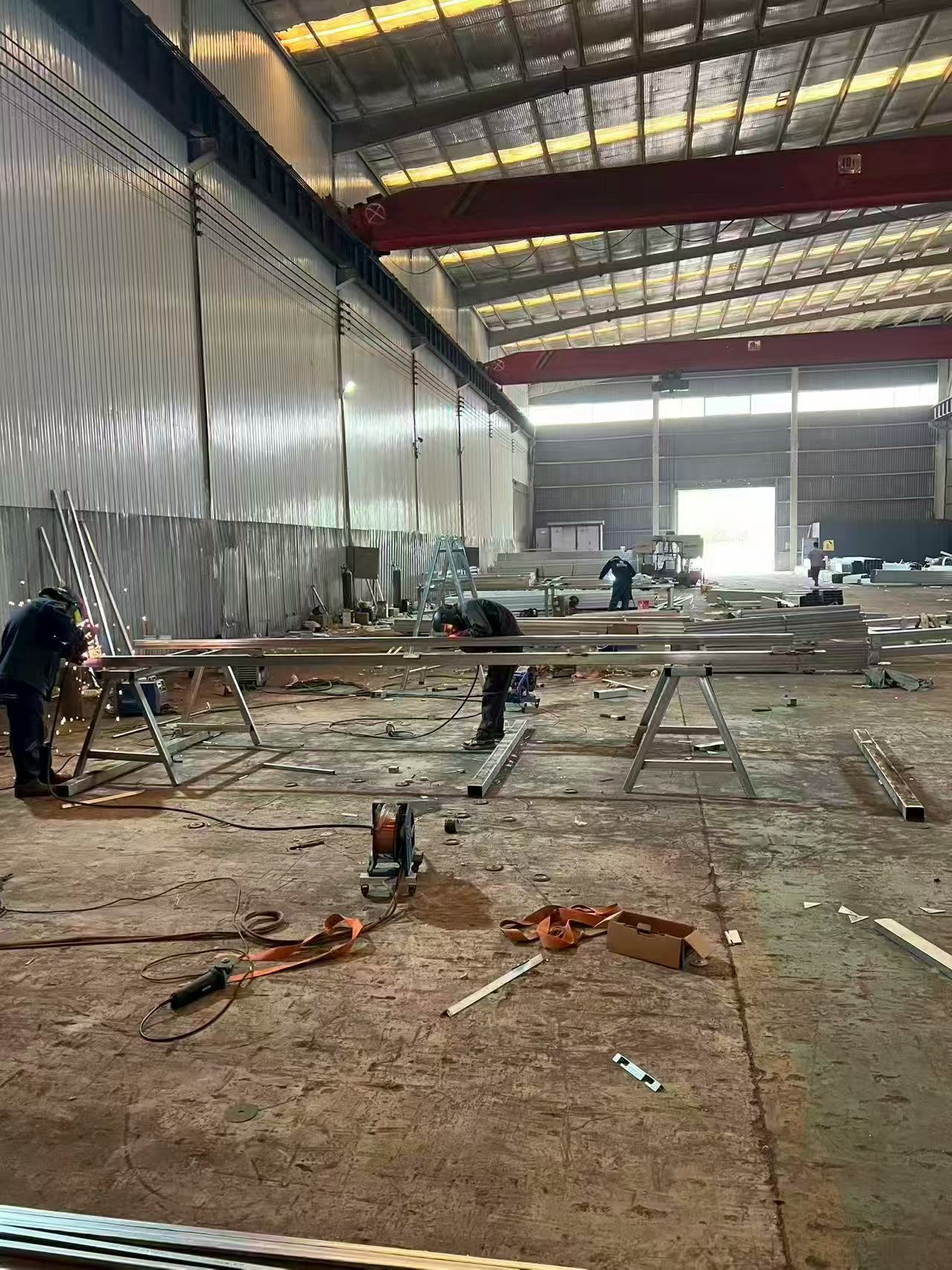
Welding production lines
Strict Quality Control
All alloy sheet metal products undergo:
-
Spectrometer testing
-
Mechanical performance testing
-
Corrosion resistance testing
-
Dimensional inspection
Global Export Capability
Products are exported to more than 50 countries worldwide.
Customer Support System
The company provides:
-
Technical consultation
-
Logistics support
-
Documentation assistance
-
After-sales service
Future Trends in Alloy Sheet Metal Industry
Lightweight Engineering Demand
Industries increasingly require lighter but stronger materials.
Advanced Manufacturing Technology
Automation improves precision and efficiency.
Sustainable Material Development
Recycling and eco-friendly production are becoming industry priorities.