
As industries continue to pursue higher efficiency, safer operations, and stricter environmental compliance, the demand for reliable sulfur dioxide (SO₂) generation systems has steadily increased. Among the available solutions, small automatic sulfur burning furnaces stand out for their compact design, precise control, and cost-effective performance.
Manufacturers such as Changzhou Runiu New Material Technology Co., Ltd. specialize in developing sulfur burning equipment that meets modern industrial standards. With years of experience in material technology and industrial furnace systems, the company provides practical solutions for both small-scale and continuous production environments.
This article explores how small automatic sulfur burning furnaces are applied across different industries and why they have become a preferred choice for SO₂ generation.
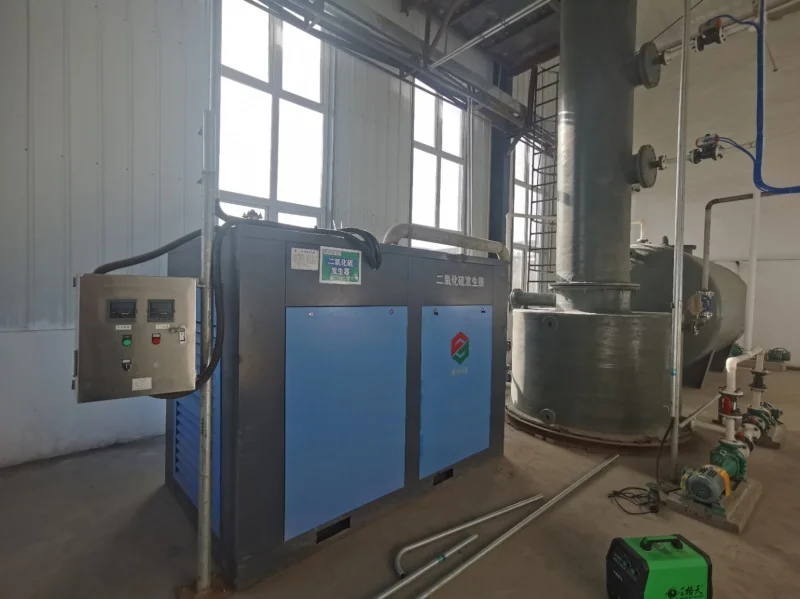
Understanding Small Automatic Sulfur Burning Furnaces
A small automatic sulfur burning furnace is designed to combust solid sulfur under controlled conditions, producing sulfur dioxide gas for industrial applications. Compared with traditional manual or semi-automatic systems, modern furnaces integrate automatic feeding, temperature regulation, airflow control, and safety monitoring.
These features allow operators to maintain a stable SO₂ concentration, reduce sulfur waste, and significantly improve workplace safety. Due to their compact footprint, small automatic furnaces are especially suitable for factories with limited space or localized SO₂ demand.
Key Industrial Applications
1. Chemical and Chemical Intermediate Production
The chemical industry remains one of the largest consumers of sulfur dioxide. SO₂ is widely used in the production of sulfuric acid, sulfites, bleaching agents, and chemical intermediates. Small automatic sulfur burning furnaces allow chemical plants to generate sulfur dioxide on demand, ensuring a consistent supply for downstream reactions.
Precise control over combustion parameters helps maintain product quality and reduces the risk of process fluctuations.
2. Food and Beverage Processing
In food processing, sulfur dioxide is commonly used as a preservative and antioxidant. It plays an important role in the processing of dried fruits, fruit juices, wines, and starch-based products. Small automatic sulfur burning furnaces provide a controlled and hygienic source of SO₂ gas that complies with food safety requirements.
Automated systems help manufacturers maintain consistent treatment levels while avoiding overuse, which could affect taste or regulatory compliance.
3. Pulp and Paper Industry
The pulp and paper industry uses sulfur dioxide for pulp bleaching and chemical conditioning. Generating SO₂ on-site using a small automatic sulfur burning furnace reduces dependence on external gas suppliers and lowers transportation risks.
This approach not only improves operational efficiency but also supports continuous production with fewer interruptions.
4. Sugar Industry
Sugar production relies on sulfur dioxide for juice clarification and microbial control. The quality of sulfur dioxide supply directly affects sugar color and purity. Automatic sulfur burning furnaces offer stable SO₂ generation, helping sugar mills achieve consistent product quality.
The automation also reduces labor intensity and improves operational safety in high-temperature processing environments.
5. Pharmaceutical and Fine Chemical Manufacturing
Pharmaceutical manufacturers often require sulfur dioxide in controlled quantities for synthesis and sterilization processes. Small automatic sulfur burning furnaces provide accurate gas output, supporting strict quality control and regulatory standards.
The ability to fine-tune SO₂ concentration makes these furnaces suitable for precision-oriented industries.
6. Textile and Fiber Processing
In textile production, sulfur dioxide may be used in bleaching and dyeing processes. Automatic sulfur burning furnaces allow textile manufacturers to produce sulfur dioxide safely and efficiently, ensuring uniform treatment results while minimizing emissions.
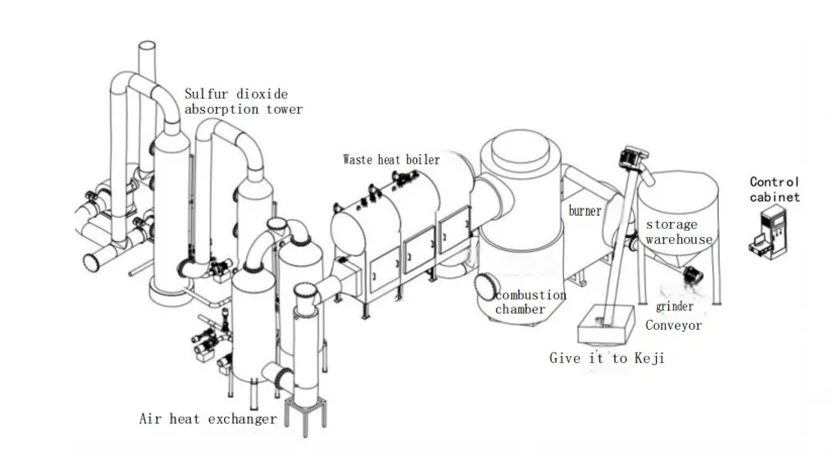
Why Automatic Sulfur Burning Furnaces Are Preferred
Across all industries, small automatic sulfur burning furnaces offer several advantages:
-
Stable and Adjustable Output: Supports consistent SO₂ concentration.
-
Enhanced Safety: Automated systems reduce manual handling of sulfur.
-
Energy Efficiency: Optimized combustion reduces fuel consumption.
-
Environmental Compliance: Easier integration with emission control systems.
-
Flexible Installation: Compact design fits various production layouts.
Equipment developed by companies like Changzhou Runiu reflects these benefits, offering durable designs and long-term operational reliability.
Common Questions About Small Automatic Sulfur Burning Furnaces
Q1: What factors should be considered when choosing a sulfur burning furnace?
A: Key factors include sulfur consumption capacity, SO₂ output requirements, automation level, safety systems, and environmental compliance standards.
Q2: Are small automatic sulfur burning furnaces suitable for continuous operation?
A: Yes. Many models are designed for long-term continuous operation with minimal maintenance, making them suitable for industrial production lines.
Q3: How does automation improve operational efficiency?
A: Automation ensures precise sulfur feeding, stable combustion, and real-time monitoring, reducing downtime and operator workload.
Q4: Can these furnaces meet environmental regulations?
A: When combined with proper exhaust treatment systems, automatic sulfur burning furnaces can operate in compliance with local and international environmental standards.
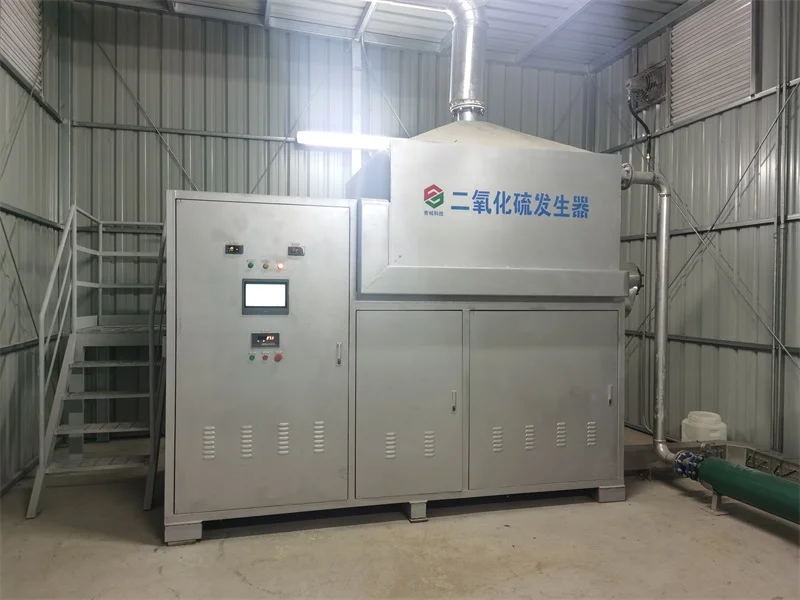
Conclusion
Small automatic sulfur burning furnaces play a vital role in industries that require reliable sulfur dioxide generation. From chemical manufacturing and food processing to pharmaceuticals and textiles, their applications continue to expand as industries prioritize safety, efficiency, and sustainability.
With professional expertise and advanced technology, Changzhou Runiu New Material Technology Co., Ltd. provides solutions that help industrial users optimize production while meeting modern environmental and safety requirements.
Investing in a small automatic sulfur burning furnace is not just a technical upgrade—it is a strategic step toward stable production and long-term operational efficiency.
What Is a Small Automatic Sulfur Burning Furnace and How It Works
www.runjiucn.com
Changzhou Runiu New lMaterial Technology Co., Ltd.