Selecting the right architectural interior systems factory is one of the most critical decisions in any interior construction project. From commercial buildings and public facilities to hospitality and residential spaces, the quality of wall and ceiling systems directly affects aesthetics, durability, installation efficiency, and long-term maintenance.
With the global supply chain increasingly connected, many buyers turn to China for architectural interior systems. However, choosing the right manufacturer requires more than comparing catalogs or prices. It involves evaluating production capability, system thinking, technical support, and long-term reliability.
This article provides practical insights into how to assess an architectural interior systems factory and explains what truly matters when selecting a manufacturing partner.
Why the Factory Behind the System Matters
Architectural interior systems are not isolated products. Wall panels, ceilings, decorative metal lines, and skirting boards must work together as a coordinated system. If the factory lacks system-level capability, even high-quality individual components may result in installation challenges or inconsistent finishes.
A reliable manufacturer should understand how materials interact on-site, how tolerances affect installation, and how design intent translates into physical systems. This is where experienced factories differentiate themselves from simple product suppliers.
Manufacturing Capability: The Foundation of Quality
One of the first aspects to evaluate is the factory’s manufacturing infrastructure. True architectural interior systems manufacturers typically operate their own:
-
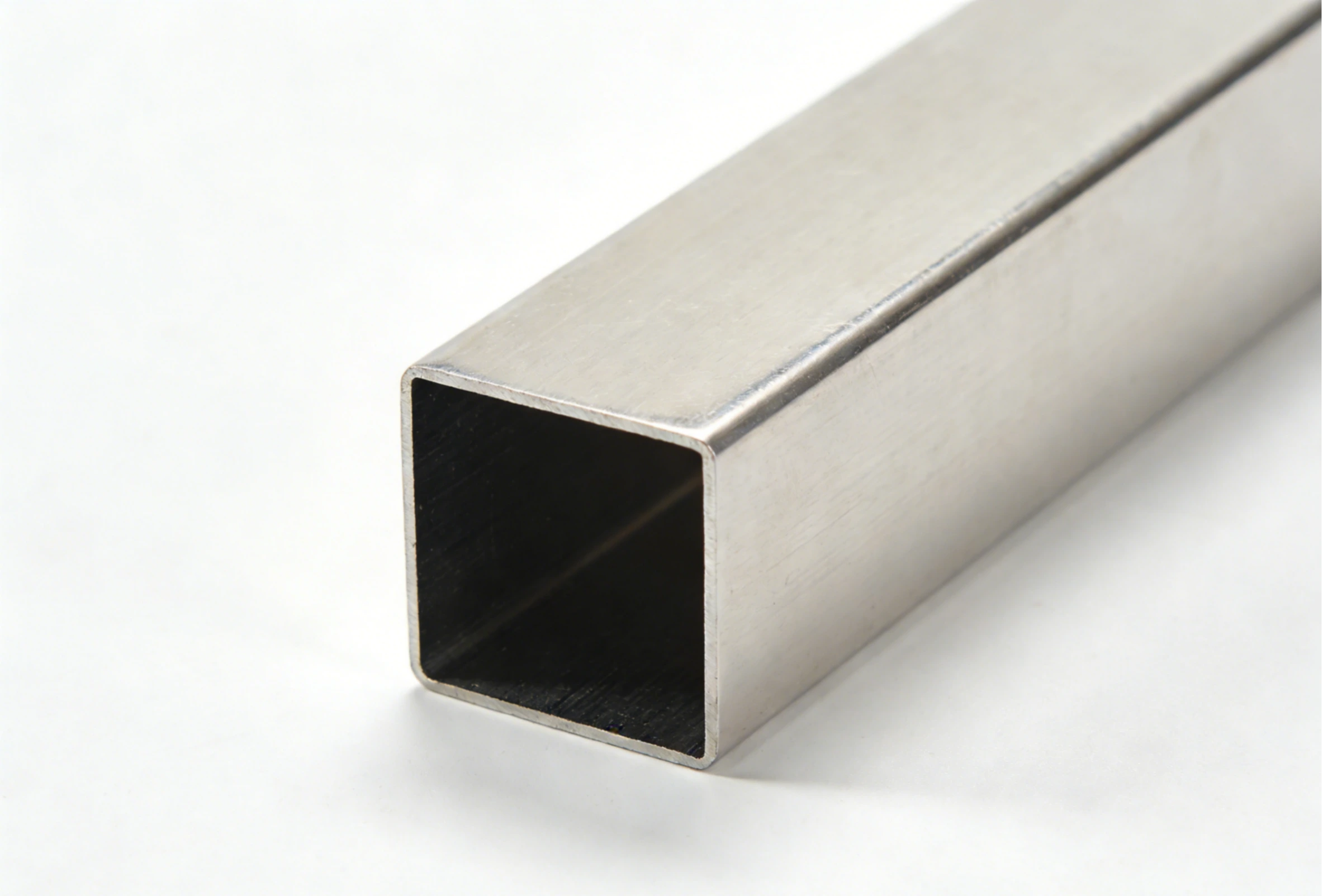
Aluminum extrusion production lines
-
Surface coating and finishing lines
-
Mold development and customization capabilities
Foshan Alu Mrs Building Materials Co., Ltd., founded in 2004 in Lishui Town, Nanhai District—widely known as “Foshan Aluminum Town”—is a representative example of a factory built within a mature aluminum industrial cluster. With in-house extrusion and coating lines, such manufacturers can control product consistency from raw material processing to final surface treatment.
This level of control significantly reduces quality fluctuations and enables stable delivery for medium- and large-scale projects.
From Products to Integrated Interior Solutions
Modern projects increasingly demand integrated solutions rather than individual components. An architectural interior systems factory should be able to provide coordinated systems that include:
-
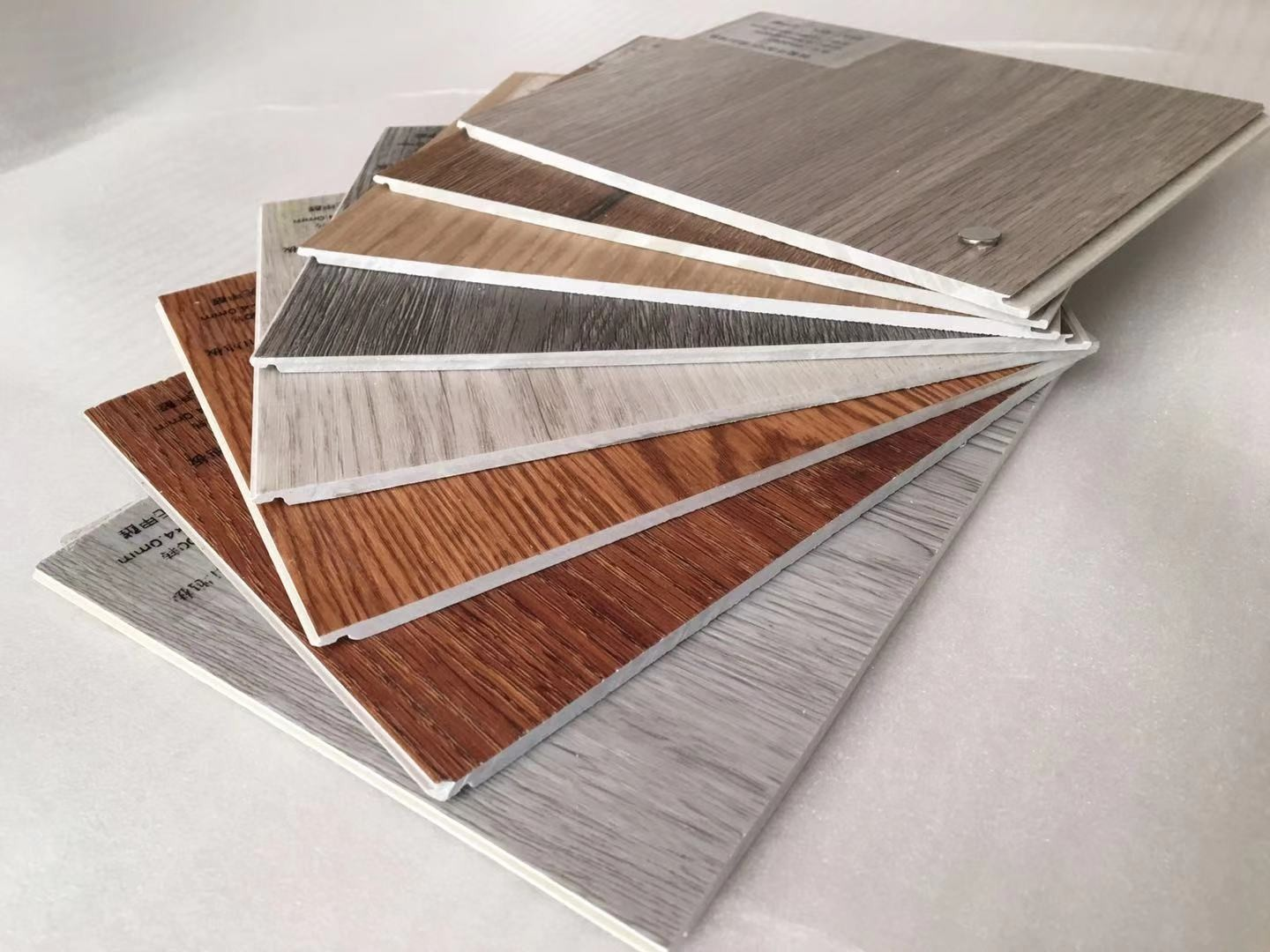
Wall panel systems
-
Ceiling systems
-
Metal decorative lines
-
Skirting boards and finishing profiles
Manufacturers that focus on system integration can support architects and contractors in achieving consistent visual language and smooth transitions between surfaces.
Alu Mrs positions itself as a comprehensive solution provider for ceilings and wall panel systems, combining R&D, mold development, production, and sales under one operational framework. This approach simplifies coordination and reduces risks during design and installation.
To explore how integrated systems are structured and applied, the official website
Mrs Alu Wall Systems
offers detailed insights into product ranges and system concepts.
R&D and Customization Capabilities
No two interior projects are exactly the same. A factory’s ability to support customization is a strong indicator of its technical strength.
Key questions buyers should consider include:
-
Can the factory develop new molds for project-specific profiles?
-
Does it offer support during the design development stage?
-
Can it adapt systems for different functional requirements or installation conditions?
Factories with dedicated R&D teams and mold development capabilities can respond more effectively to complex project requirements, especially in hotels, commercial interiors, and public spaces where design differentiation is essential.
Application Experience Across Multiple Sectors
Practical experience across different application scenarios is another important factor when choosing a manufacturer.
Architectural interior systems are widely used in:
-
Hotels and hospitality projects
-
Restaurants and entertainment venues such as KTVs
-
Schools and educational facilities
-
Residential interiors
A factory that has supplied multiple sectors is more likely to understand varying performance expectations, regulatory requirements, and installation challenges. This experience translates into better product recommendations and fewer issues during project execution.
Quality Management and Long-Term Reliability
Quality is not defined by appearance alone. For architectural interior systems, it also includes dimensional accuracy, coating durability, and long-term stability.
Manufacturers that emphasize a “Focus and Quality” business principle typically require every department—from production to service—to maintain high standards. This internal discipline helps ensure that products delivered today perform consistently years later.
Equally important is the manufacturer’s attitude toward continuous improvement. Factories that invest in process optimization and technical upgrades are better positioned to meet evolving market and project demands.
Service Responsiveness and Project Support
In real projects, service quality often determines whether cooperation runs smoothly. Fast response times, clear technical communication, and problem-solving ability are essential, especially for overseas buyers.
A strong architectural interior systems factory should provide:
-
Pre-project technical consultation
-
Clear documentation and drawings
-
Responsive communication during production and delivery
-
Ongoing support for repeat projects
Alu Mrs emphasizes attentive service and customer-oriented cooperation, aiming to deliver additional value beyond the product itself. This service mindset is particularly important for long-term partnerships rather than one-time transactions.
Corporate Culture and Partnership Mindset
While often overlooked, corporate culture influences how a factory operates under pressure. Manufacturers that value innovation, quality, and shared success are more likely to prioritize long-term relationships over short-term gains.
By adhering to a culture of continuous improvement and collaboration, companies like Mrs.alu work alongside clients to achieve mutual growth. This partnership mindset is increasingly valued in global architectural and construction markets.
How to Make the Final Decision
When choosing an architectural interior systems factory, buyers should evaluate the following key factors together:
-
Manufacturing capability and vertical integration
-
System-level product design and integration
-
R&D and customization support
-
Proven application experience
-
Quality management and service responsiveness
A factory that performs well across all these dimensions is far more likely to deliver reliable results throughout the project lifecycle.
Conclusion
Choosing the right architectural interior systems factory is a strategic decision that impacts design quality, installation efficiency, and long-term performance. As integrated wall and ceiling systems become the standard in modern interiors, manufacturers with strong technical foundations, system thinking, and service-driven cultures stand out.
With established production capabilities, comprehensive solution offerings, and a commitment to quality and collaboration, Mrs.alu represents the type of manufacturing partner that modern architectural projects increasingly rely on.
www.mrsaluwallsystems.com
Mrs.alu