As glamping continues to expand into desert landscapes, sun-drenched coastlines, and equatorial destinations, one question consistently surfaces among resort developers and hospitality investors: can glamping tents genuinely perform in extreme heat? The answer depends almost entirely on the engineering principles behind the structure, the materials used in its construction, and whether the manufacturer has validated those claims through internationally recognized certifications. For operators evaluating premium modular accommodations, understanding the technical distinctions between entry-level canvas products and purpose-engineered hospitality structures is essential.
The Real Challenge of Heat in Outdoor Hospitality
Extreme heat does more than make guests uncomfortable — it accelerates material degradation, drives up energy consumption, creates condensation issues when temperatures fluctuate between day and night, and puts significant mechanical stress on structural frameworks. Conventional tent products used in outdoor markets were never designed with these operational realities in mind. They rely on single-layer fabrics that absorb solar radiation, transfer heat directly into the interior, and often lack any meaningful insulation layer to buffer against thermal extremes.
Thermal performance, UV resistance, and condensation control are the three pillars that separate a commercial-grade glamping structure from a recreational camping product. When resort operators make long-term infrastructure investments — structures that need to remain functional and profitable across multiple seasons — these engineering factors become as important as aesthetics or initial cost.
How Modern Engineering Addresses Extreme Heat
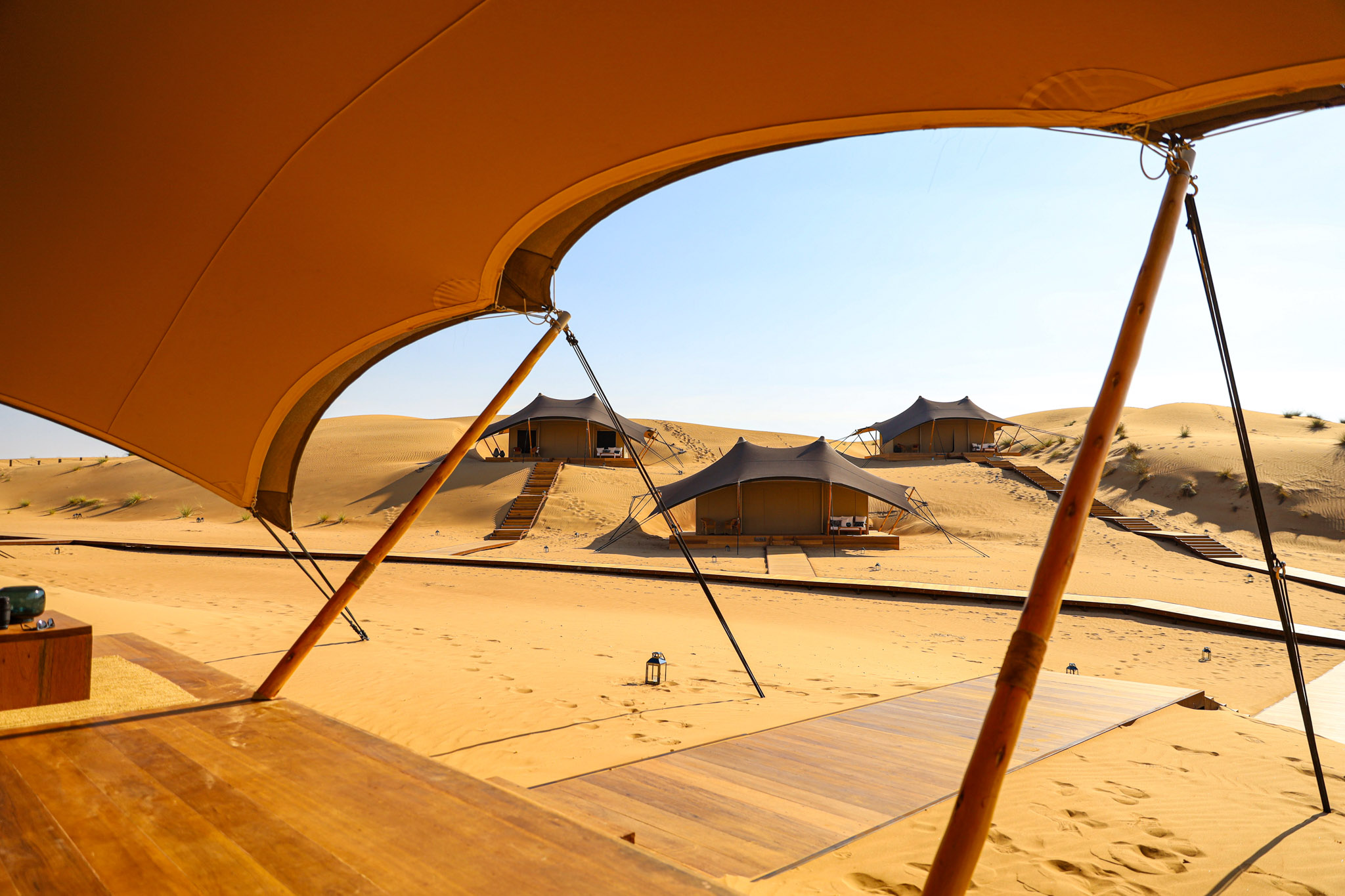
The most advanced glamping structures on the market today are built around multi-layer building envelope systems that manage heat through a combination of reflection, insulation, and controlled ventilation rather than passive exposure. This approach mirrors principles used in commercial building design and represents a significant departure from traditional outdoor tent manufacturing.
StarsGlamping, developed by Guangzhou Yuntu Tent Technology Co., Ltd., has built its flagship product line — the PVDF Luxury Tent Collection — specifically to address the performance demands of extreme environments, including deserts, coastlines, and high-altitude destinations where temperature swings are significant and prolonged.
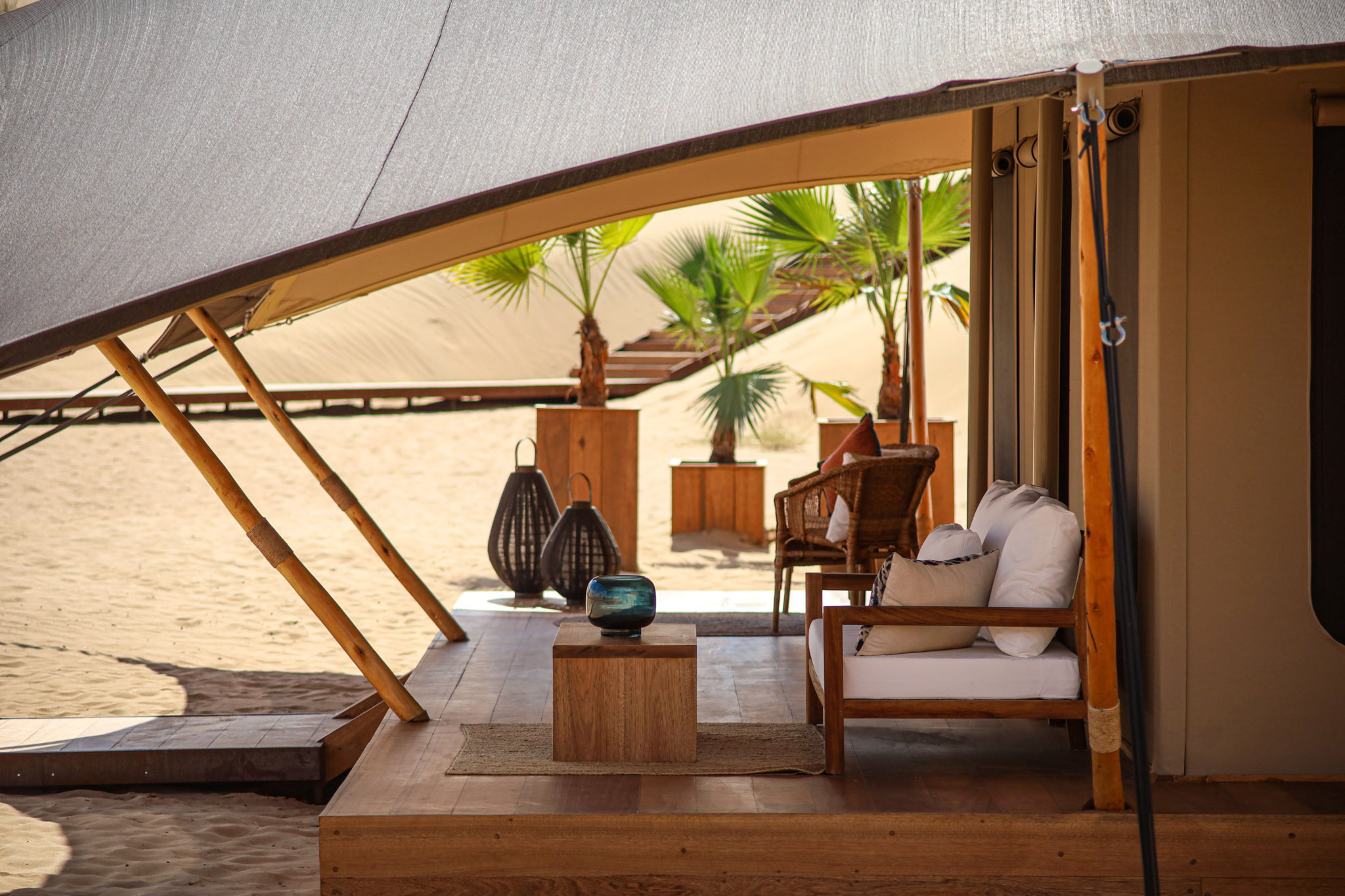
The core of this thermal engineering system is a multi-layer envelope combining a 1050g/m² PVDF membrane, an insulated composite core, and a breathable interior lining. Each layer serves a distinct function in managing thermal load:
- The PVDF membrane (polyvinylidene fluoride) is a high-performance fluoropolymer material with strong UV resistance and a surface chemistry that reflects solar radiation rather than absorbing it, directly reducing the thermal gain that would otherwise heat the interior.
- The insulated composite core acts as a thermal buffer, significantly slowing the transfer of external heat into the living space and maintaining interior temperature stability during peak daytime conditions.
- The breathable interior lining manages moisture and air circulation, addressing the condensation problems that often occur when interior air cools rapidly during nighttime temperature drops in arid or semi-arid climates.
This layered architecture is not simply a marketing description — it is a designed engineering solution to a documented operational problem that has challenged glamping operators for years.
Structural Durability and Certification Standards
Thermal performance cannot be evaluated in isolation. A structure designed for extreme heat must also demonstrate the mechanical integrity to withstand the high-wind conditions and intense UV degradation that often accompany hot-climate deployments. The PVDF Luxury Tent Collection from StarsGlamping is rated for Force 10–12 wind resistance and is manufactured with a hot-dip galvanized steel framework using modular connection systems that eliminate the need for on-site welding, reducing installation time and improving structural consistency.
Material durability is independently verified through a series of internationally recognized certifications that Yuntu Tent has secured for its product range:
- CE Certification compliant with EN ISO 5912:2020
- REACH Compliance, meeting European environmental and chemical safety standards
- RoHS Compliance, restricting hazardous substances in materials
- DIN 4102 B1 Fire Retardancy Certification for membrane materials
- SGS & HAP Material Performance Certifications
These certifications matter for hot-climate deployment because they confirm that the materials used in construction have been independently tested for performance integrity under conditions that include UV exposure, chemical resistance, and fire behavior — all of which are elevated concerns in high-temperature environments. Under normal operating conditions, StarsGlamping's PVDF structures are engineered for a service life exceeding 8 years.
The Safari Tent Option for Moderate Heat Environments
For resort operators developing in environments where temperatures are high but not extreme — such as woodland retreats, elevated mountain terrain, or subtropical coastal settings — the Safari Tent Collection offers an alternative approach. These structures are built around Finnish preservative-treated timber frameworks and feature high-density 900D interior fabrics engineered for ventilation and thermal stability across varied outdoor environments.
The timber framework not only provides structural durability but also supports natural humidity regulation, making these structures well-suited for locations where heat is accompanied by moderate humidity. The preservative treatment addresses the structural decay challenges common in environments that combine heat with moisture, extending the operational lifespan of the structure without requiring frequent maintenance.
Evaluating Performance Before Committing to a Project
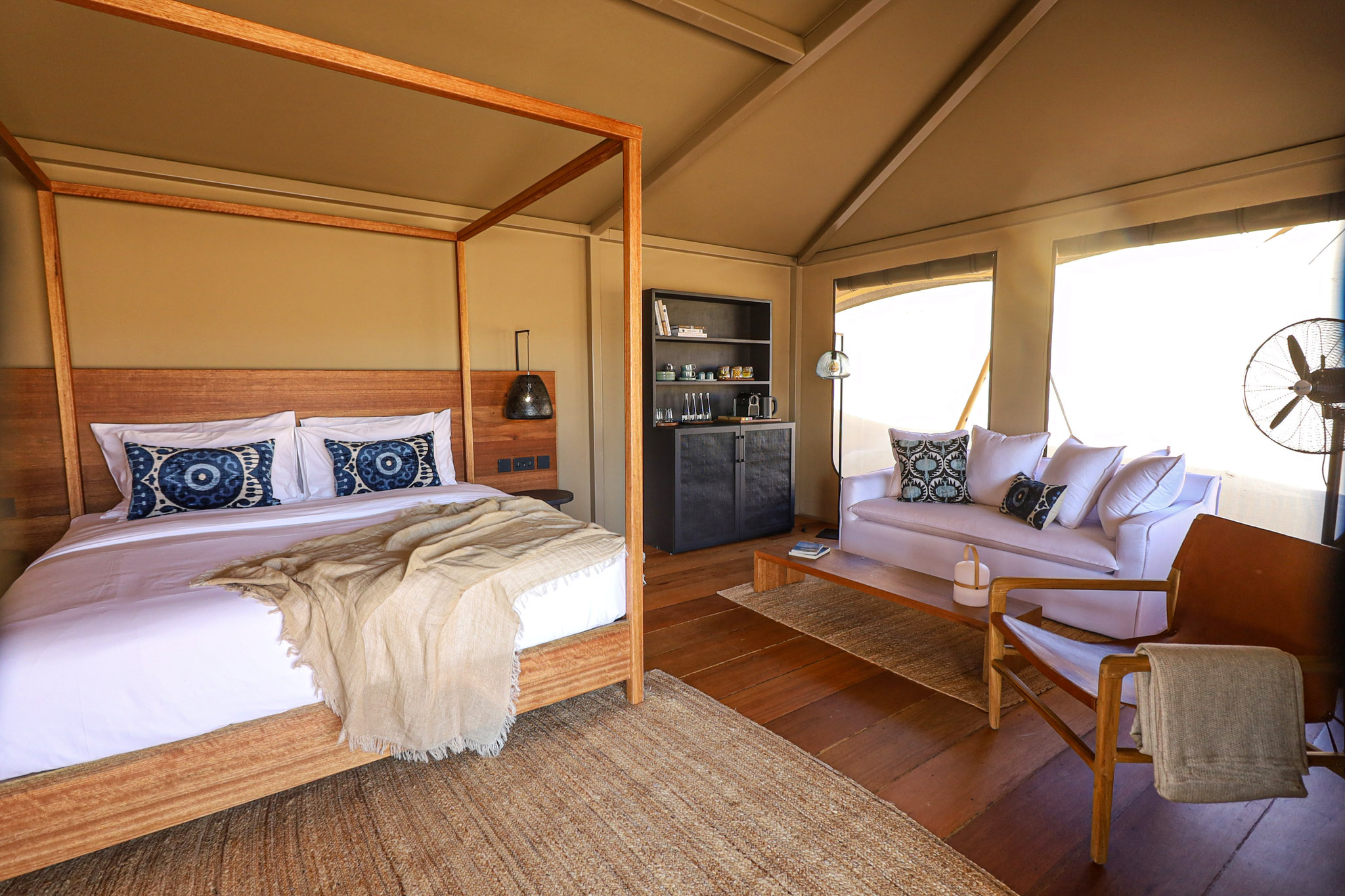
For resort developers and investors who want to evaluate thermal performance directly before making procurement decisions, StarsGlamping operates a 20,000 m² manufacturing campus and experience center in Nansha, Guangzhou, featuring more than 20 fully furnished tent models available for in-person inspection. This physical showroom allows buyers to assess material quality, interior thermal behavior, and construction details firsthand — a practical step that significantly reduces uncertainty when planning hospitality projects in demanding climates.
Yuntu Tent, as the manufacturing division behind the StarsGlamping product range, maintains an integrated production ecosystem encompassing intelligent manufacturing, CNC fabric cutting, composite membrane fabrication, and quality inspection — all managed from this single facility. The result is a level of structural precision and material consistency that directly supports the thermal and mechanical performance claims made about each product line.
Key Takeaway
Extreme heat is a solvable engineering challenge for modern glamping structures, provided the product was designed with climate performance as a primary objective rather than an afterthought. The combination of PVDF membrane technology, insulated composite cores, galvanized steel framing, and independently certified material performance means that operators do not have to choose between architectural quality and climate resilience. For resort developers exploring hot-climate deployment, the evidence-based approach embedded in the StarsGlamping and Yuntu Tent product portfolio offers a technically grounded and commercially validated path forward.
www.stars-glamping.com
Stars Glamping Tent Co.,Ltd