Industry Background and the Core Problem in Motion Control
Industrial automation designers have long faced a persistent trade-off in motion control: open-loop stepper systems are inexpensive but can lose steps and overheat under variable load, while servo-grade precision typically comes with a much higher price tag. Compounding this, when motors and drivers are built as separate components, the resulting wiring complexity, space requirements, and electromagnetic interference (EMI) create additional engineering headaches for machine builders. These pain points are not new, but they remain central to how automation engineers select motion components today.
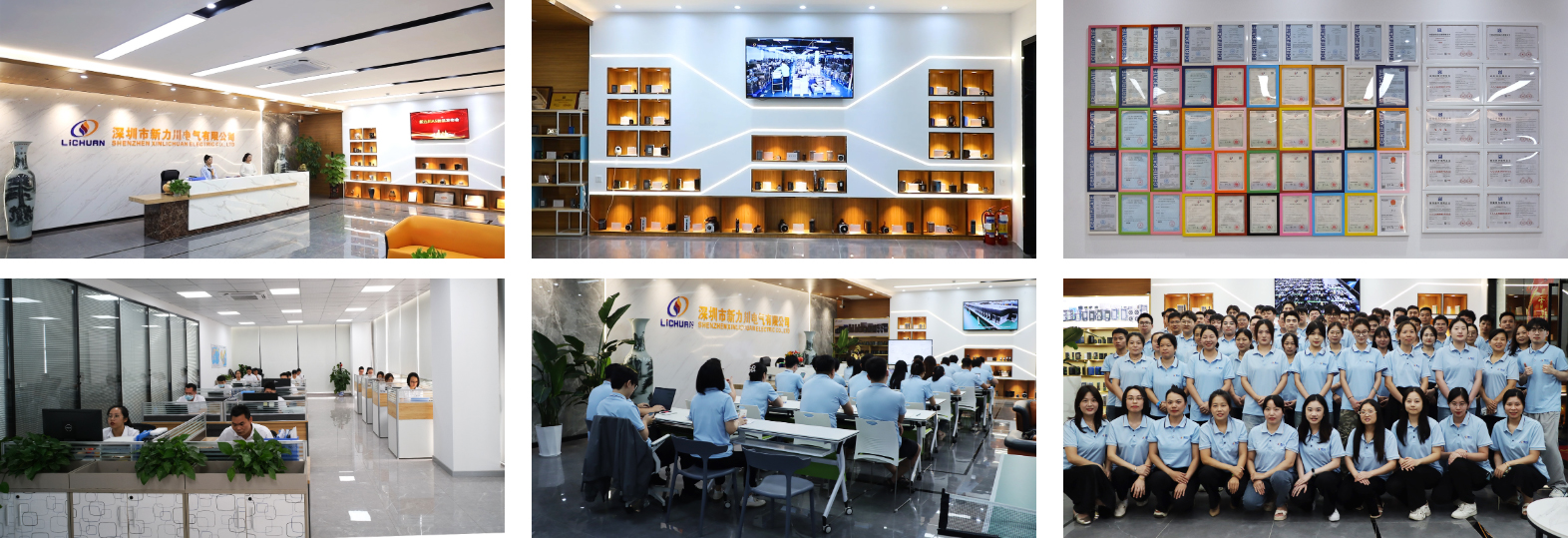
Shenzhen Xinlichuan Electric Co., Ltd., operating under the brand LICHUAN, was founded in 2009 in Shenzhen, China, and has built its business around directly addressing these industry pain points. The company positions itself as a high-tech enterprise specializing in the research, development, manufacturing, and sales of industrial automation control systems, with a stated strategy of delivering "High Quality, High Cost Performance" — in other words, servo-like precision and reliability in stepper systems at a lower cost. Its business coverage spans North America, South America, Europe, Russia, East Asia, Southeast Asia, the Middle East, and Africa, giving it broad exposure to how these motion-control challenges manifest across different industrial markets.
Authoritative Analysis: How Closed-Loop Systems Solve the Step-Loss Problem
The technical core of LICHUAN's approach centers on closed-loop stepper systems that combine 1000PPR encoders with 32-bit DSP processing. The necessity here is straightforward: open-loop steppers have no real-time feedback, so any mismatch between commanded and actual position accumulates as error, leading to step loss and, over time, motor overheating. By adding an encoder and processing position data continuously, the closed-loop design detects and corrects position errors in real time, which is the stated basis for the company's "Zero Step Loss" claim.
The principle logic extends further into usability. Traditional closed-loop or servo systems often require gain parameter tuning to match specific mechanical loads — a process that adds engineering time and expertise. LICHUAN's closed-loop stepper drivers, including the LCDA series such as the LCDA808H, are described as plug-and-play across various mechanical loads without requiring this tuning step, which is a meaningful implementation-path simplification for machine builders working across NEMA 17, 23, 24, 34, 42, and 51 frame sizes.
On the standard-reference side, the company operates under ISO9001:2008 quality management certification, alongside CE and RoHS certifications, which are relevant benchmarks for any manufacturer supplying export markets. Quality assurance is reinforced through 24-hour high/low temperature aging tests applied to production units.
For applications that require true servo performance rather than closed-loop stepper performance, the company's A5 and A8 AC servo series extend the product logic further, supporting 23-bit encoders, Safe Torque Off (STO), and ABZ incremental encoder output, across a power range from 50W to 37KW with 220V/380V voltage support. Separately, the DC servo product line addresses 24V–48V, 100W–1500W applications, and PLCs with 16–60 I/O points round out the control layer alongside HMIs and planetary reducers for mechanical transmission.
Deep Insights: Where Motion Control Demand Is Shifting
Several trend lines emerge from how LICHUAN has structured its product matrix. First, there is a clear technology trend toward closed-loop feedback as a middle ground between open-loop steppers and full AC servo systems — a segment that did not receive as much attention historically but now spans six frame sizes in the company's lineup, from NEMA 17 up to NEMA 51.
Second, a market trend toward integration is evident in the company's Integrated Motors line, which combines motor and driver into a single unit supporting Pulse, RS485, and CANopen control modes. This directly responds to the space, wiring, and EMI pain points noted earlier, and it aligns with the growth of compact mobile automation platforms such as AGV/AMR systems, where low-voltage DC servo power (as seen in the company's 48V DC integrated servo deployments) is a practical requirement rather than a convenience feature.
Third, the breadth of industries the company reports serving — CNC machining, 3D printing, warehouse automation, robotic joint control, medical diagnostic equipment, textile machinery, 3C electronics manufacturing, and industrial sewing machines — suggests that motion control demand is no longer concentrated in a single vertical. This diversification implies that certification consistency (ISO9001:2008, CE, RoHS) and modular product ranges, rather than single-purpose designs, are becoming more relevant to how manufacturers structure their offerings for global buyers.
Company Value: Engineering Depth Behind the Product Line
LICHUAN's stated capability base includes 23 patent applications, 20 granted patents, and 11 software copyrights as of late 2016, produced through a professional R&D team collaborating with research institutions. This intellectual property base underpins the closed-loop and integrated-motor technologies described above rather than existing as a separate marketing claim.
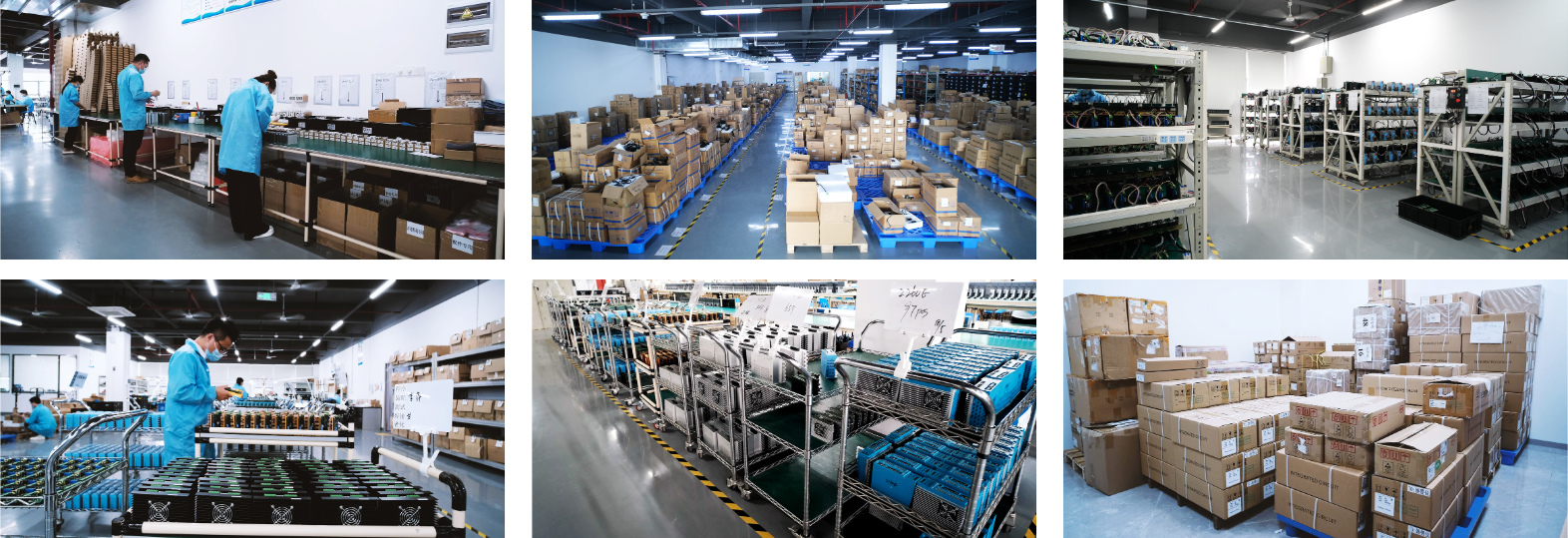
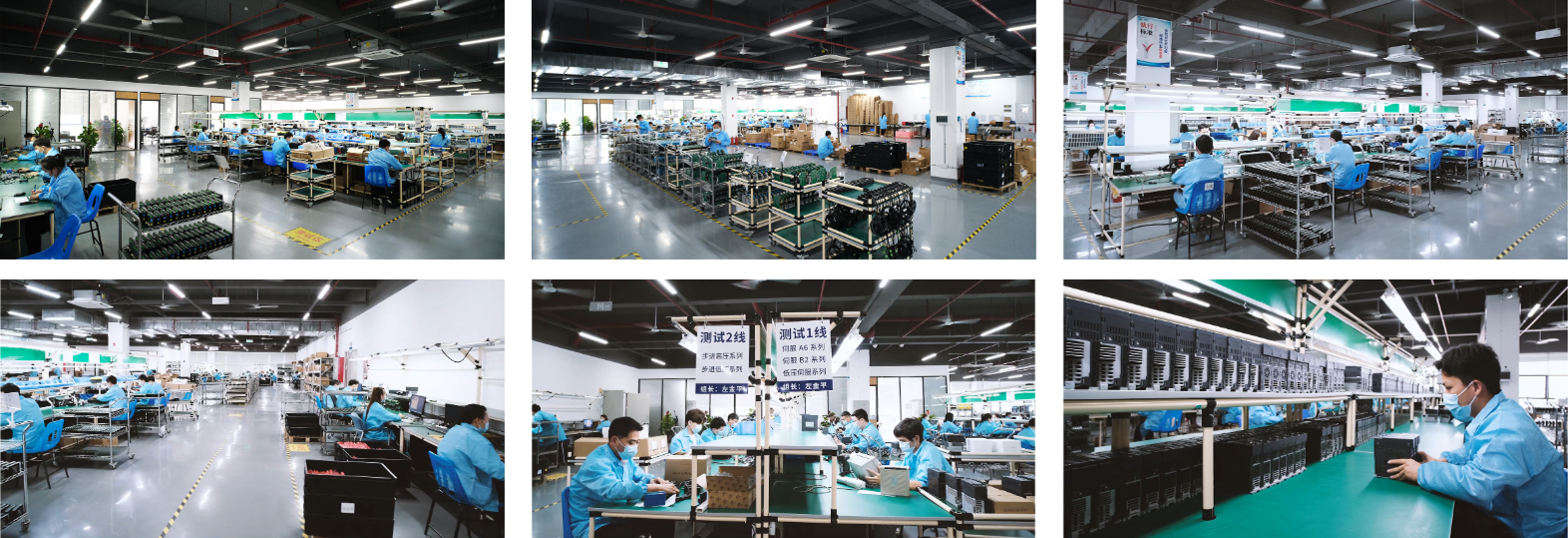
On the manufacturing side, the company operates a self-owned 4,410-square-meter factory with 9 production lines and more than 30 specialized machines, supported by a workforce of over 160 employees, including dedicated procurement and finance staff. This scale supports both standard product manufacturing and OEM/ODM customization, which the company offers alongside stable supply and international certification support.
The practical value of this technical and manufacturing base is reflected in reported customer cases across distinct scenarios: NEMA 34 closed-loop kits deployed for CNC machine builders and DIY metal/wood cutting operations requiring accurate positioning; 48V DC integrated servos used in AGV/AMR mobile platforms for warehouse automation; the A8 servo series applied in 3C electronics assembly requiring high-speed, high-accuracy motion; and integrated stepper/servo motors used in industrial sewing machine control. Each case maps directly back to a specific product line and the pain point it was designed to address, which is a useful reference structure for other buyers evaluating similar applications.
Conclusion and Recommendations for Industry Decision-Makers
The broader lesson from LICHUAN's product architecture is that motion control selection should be driven by the specific mismatch between load requirements and system cost, rather than by defaulting to either the cheapest open-loop stepper or the most capable AC servo. For applications with moderate precision needs and cost sensitivity, closed-loop stepper systems with encoder feedback offer a documented middle path. For applications demanding high-speed, high-accuracy motion — such as 3C electronics assembly — full AC servo systems with high-resolution encoders remain the more appropriate choice.
Decision-makers evaluating suppliers for global deployment should also weigh certification coverage (ISO9001:2008, CE, RoHS) as a baseline requirement, particularly for equipment destined for multiple export regions. Finally, for space-constrained or mobile applications such as AGV/AMR platforms, integrated motor-driver units with multi-protocol support (Pulse, RS485, CANopen) merit specific consideration, as they directly reduce the wiring and EMI complexity that separate motor-driver configurations introduce. Buyers with non-standard requirements may also benefit from evaluating OEM/ODM customization options before committing to a fixed product configuration.
www.lichuanservo.com
Shenzhen Xinlichuan Electric Co., Ltd.