As cities continue to expand and climate patterns become more unpredictable, stormwater management has become a critical challenge for urban planners, developers, and industrial operators. Heavy rainfall events are increasing in frequency, placing enormous pressure on traditional drainage systems. In this context, modular stormwater storage has emerged as a flexible, efficient, and future-ready solution for managing excess rainwater while supporting sustainable urban development.
Modular stormwater storage systems are designed to temporarily store, control, and release stormwater during peak rainfall events. Unlike conventional concrete tanks or oversized drainage pipes, modular systems offer scalability, faster installation, and better adaptability to complex urban environments. For infrastructure projects seeking long-term reliability and performance, modular stormwater storage is increasingly viewed as an essential component of modern water management strategies.
What Is Modular Stormwater Storage?
Modular stormwater storage refers to underground or surface-installed systems composed of prefabricated structural units, or “modules,” that can be assembled into storage tanks of various sizes and shapes. These modules are typically made from high-strength materials such as reinforced plastics, steel-supported structures, or composite systems designed to withstand soil pressure and traffic loads.
Stormwater is collected from rooftops, roads, parking lots, and paved areas, then directed into the modular storage system. The water can be temporarily detained to reduce peak flow into municipal drains, or stored for controlled discharge, infiltration, or reuse. Because the system is modular, capacity can be easily adjusted based on project requirements, making it suitable for both small-scale developments and large urban infrastructure projects.
Why Modular Stormwater Storage Is Gaining Global Adoption
Flexibility in Design and Capacity
One of the strongest advantages of modular stormwater storage is its design flexibility. Modules can be arranged horizontally or vertically to fit irregular spaces beneath roads, plazas, industrial yards, or green areas. This makes them ideal for dense urban environments where space is limited and underground utilities are complex.
Efficient Flood Control
During heavy rainfall, traditional drainage systems can become overwhelmed, leading to surface flooding and infrastructure damage. Modular stormwater storage systems act as temporary buffers, capturing excess runoff and releasing it gradually. This reduces peak discharge rates and protects downstream drainage networks.
Faster Installation Compared to Traditional Systems
Compared with cast-in-place concrete tanks, modular systems significantly reduce construction time. Prefabricated modules are lightweight, easy to transport, and quick to assemble on-site. This shortens project timelines and minimizes disruption to surrounding traffic and communities.
Long-Term Structural Reliability
High-quality modular stormwater storage systems are engineered to withstand long-term soil loads, groundwater pressure, and surface traffic. When combined with proper foundation design and backfill materials, these systems provide reliable performance over decades.
Support for Sustainable Urban Development
Modular stormwater storage supports green infrastructure goals by reducing runoff, improving water quality, and enabling rainwater reuse. It aligns well with sponge city concepts, low-impact development (LID), and sustainable drainage systems (SuDS).
Key Components of a Modular Stormwater Storage System
Structural Modules
The core of the system consists of load-bearing modules that form the storage volume. These modules are designed to distribute loads evenly and maintain structural stability under heavy surface use, including vehicle traffic.
Inspection and Maintenance Access
Modern systems include access shafts, inspection ports, and maintenance channels that allow regular inspection and cleaning. This ensures long-term system efficiency and compliance with operational standards.
Inlet and Outlet Control Structures
Flow control devices regulate how stormwater enters and exits the storage system. These structures are critical for managing detention time, discharge rates, and system safety during extreme rainfall events.
Filtration and Sediment Management
Pre-treatment units such as sediment traps, screens, or separators are often installed upstream to remove debris, sand, and pollutants before water enters the modular storage system. This protects the modules and improves water quality.
Integration with Drainage and Reuse Systems
Modular stormwater storage can be connected to municipal drainage networks, infiltration zones, or rainwater reuse systems for irrigation, cleaning, or industrial processes. This multifunctional capability adds significant value to infrastructure projects.
Applications of Modular Stormwater Storage
Urban Roads and Transportation Infrastructure
Roadways, tunnels, rail corridors, and airports generate large volumes of runoff during storms. Modular storage systems installed beneath road surfaces help manage peak flows without occupying valuable surface land.
Industrial Parks and Logistics Centers
Factories, warehouses, and logistics hubs often have large roof and pavement areas. Modular stormwater storage helps these facilities comply with drainage regulations, reduce flood risk, and improve environmental performance.
Commercial Developments
Shopping centers, office parks, and mixed-use developments use modular storage systems to manage stormwater efficiently while preserving space for parking and landscaping.
Municipal and Public Projects
Cities install modular stormwater storage beneath parks, squares, and sports facilities to control flooding, improve urban resilience, and support sustainable water management policies.
Residential Communities
Large residential developments use modular systems to protect neighborhoods from flooding while supporting rainwater reuse and groundwater recharge.
Design Considerations for Modular Stormwater Storage
Load-Bearing Requirements
System design must account for surface loads such as vehicles, buildings, or landscaping. Proper module selection and structural reinforcement are essential for safety and longevity.
Hydraulic Performance
Accurate calculation of rainfall intensity, runoff volume, and discharge rates ensures the system performs effectively during extreme weather events.
Maintenance and Accessibility
Designs should allow easy inspection and cleaning to prevent sediment buildup and maintain long-term efficiency.
Material Compatibility
Modules and connectors must resist corrosion, chemical exposure, and environmental stress, especially in industrial or coastal environments.
The Role of Zhongbo in Supporting Modular Stormwater Storage Projects
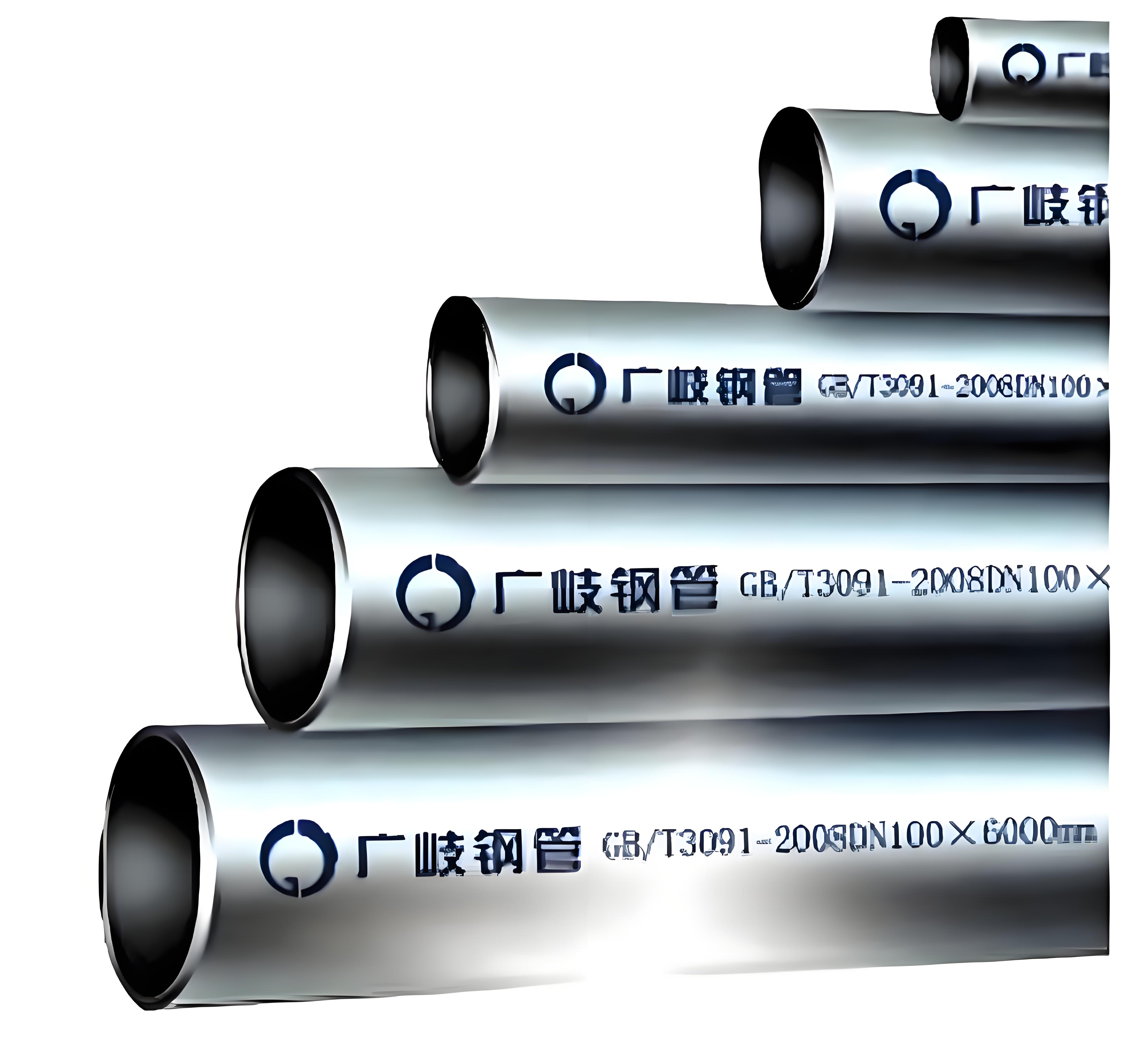
As an experienced manufacturer of stainless steel corrugated pipes, expansion joints, metal hoses, and pipeline support systems, Zhongbo Machinery Manufacturing Co., Ltd. plays an important supporting role in modular stormwater storage infrastructure. While storage modules form the core volume, reliable piping, connections, and expansion compensation systems are essential for overall system performance.
Zhongbo’s stainless steel corrugated pipes and expansion joints are widely used in stormwater conveyance networks, inlet and outlet connections, overflow pipelines, and underground drainage systems. Their products provide flexibility, vibration resistance, and long service life, ensuring stable operation even under variable flow and temperature conditions.
Advantages of Zhongbo Products in Stormwater Infrastructure
High Corrosion Resistance
Stainless steel components offer excellent resistance to corrosion, making them suitable for long-term contact with stormwater, groundwater, and varying environmental conditions.
Flexibility and Movement Compensation
Expansion joints and metal hoses accommodate ground settlement, thermal expansion, and structural movement, reducing stress on rigid pipelines connected to modular stormwater storage systems.
Strong Structural Performance
Zhongbo’s products are engineered to handle pressure fluctuations and mechanical loads, ensuring reliable connections between storage systems and drainage networks.
Custom Manufacturing Capability
Zhongbo provides customized pipe diameters, lengths, and connection types to meet the specific requirements of modular stormwater storage projects.
Proven Industry Experience
With products exported to multiple international markets, Zhongbo has extensive experience supporting infrastructure projects in power plants, industrial facilities, and municipal engineering.
Future Trends in Modular Stormwater Storage
As cities move toward smarter and greener infrastructure, modular stormwater storage systems are evolving rapidly. Future trends include integration with smart monitoring systems, real-time flow control, and combined rainwater reuse functions. Modular systems will increasingly work alongside green roofs, permeable pavements, and bioswales to form comprehensive urban water management networks.
High-quality supporting components—such as flexible stainless steel pipelines and expansion systems—will remain critical to ensuring long-term system reliability. Manufacturers like Zhongbo will continue to play a key role in supporting safe, durable, and adaptable stormwater infrastructure.
Conclusion: Why Modular Stormwater Storage Matters
Modular stormwater storage offers a practical, scalable, and resilient solution to modern stormwater challenges. It helps cities manage flooding, protect infrastructure, and support sustainable development goals. By combining efficient storage systems with reliable piping and connection components, infrastructure projects can achieve long-term performance and safety.
For developers, engineers, and municipalities planning future-ready drainage systems, modular stormwater storage—supported by high-quality products from Zhongbo—represents a smart and sustainable investment in urban resilience.
https://www.xihairainwater.com/products
Zhongbo