
Electricity is the backbone of modern society, powering everything from homes and offices to large-scale industrial operations. While power generation often receives the most attention, the transmission of electricity is equally critical. Without reliable transmission systems, even the most advanced power generation facilities would be ineffective.
At the heart of these systems are power cables, which play a vital role in delivering electricity safely and efficiently across short and long distances. Whether in urban infrastructure, industrial plants, or renewable energy systems, selecting the right cable solution is essential. Products like the power cable from Boltech are designed to meet the demands of modern electrical transmission with reliability and performance.
Understanding the Role of Power Cables
Power cables are electrical cables designed to transmit electrical energy from one point to another. They consist of several key components:
Conductors: Usually made of copper or aluminum, responsible for carrying electrical current
Insulation: Prevents leakage of electricity and protects against short circuits
Shielding: Reduces electromagnetic interference and enhances safety
Outer sheath: Provides mechanical protection and environmental resistance
Each layer plays a critical role in ensuring that electricity flows efficiently and safely.
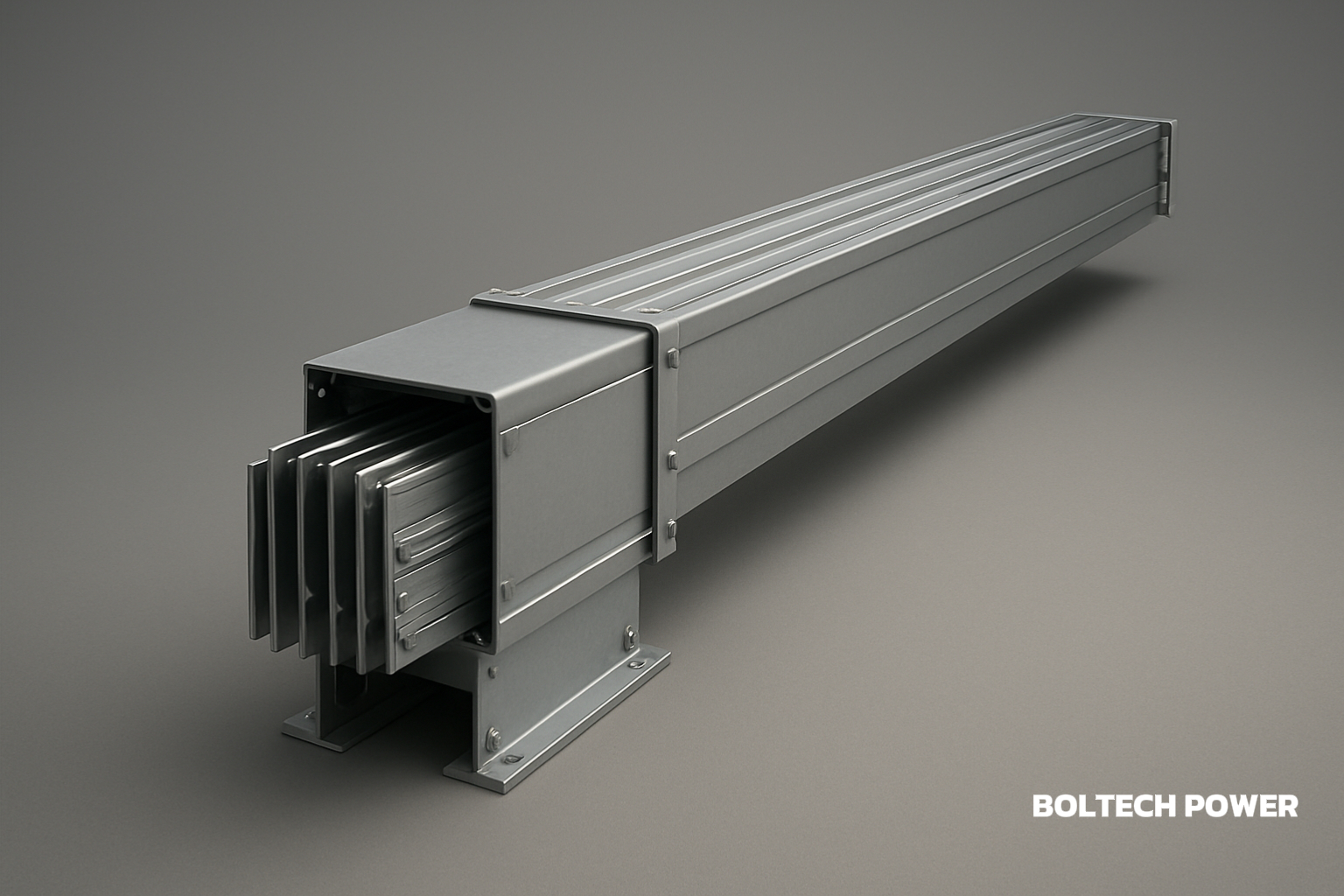
Ensuring Safe Electricity Transmission
1. High-Quality Insulation
One of the most important aspects of a power cable is its insulation system. Proper insulation prevents electrical leakage and protects users from potential hazards.
Benefits of high-quality insulation include:
Reduced risk of short circuits
Protection against electric shocks
Improved system reliability
Modern cables are designed to withstand high voltages and harsh environmental conditions, ensuring safe operation over long periods.
2. Thermal Stability and Heat Resistance
Electric current generates heat, especially in high-load applications. If not properly managed, excessive heat can damage cables and lead to system failures.
Power cables are engineered to handle thermal stress through:
Heat-resistant insulation materials
Efficient conductor design to minimize energy loss
Proper ventilation and installation practices
These features ensure that cables maintain performance even under demanding conditions.
3. Mechanical Strength and Durability
Power cables are often installed in challenging environments, including underground systems, industrial facilities, and outdoor settings. They must be able to withstand:
Physical impact
Moisture and humidity
Chemical exposure
UV radiation
Durable outer sheaths and protective layers help extend the lifespan of cables and reduce maintenance requirements.
Improving Transmission Efficiency
1. Low Electrical Resistance
Efficiency in electricity transmission largely depends on minimizing energy loss. High-quality conductors with low resistance allow electricity to flow more efficiently.
Advantages include:
Reduced power loss during transmission
Improved energy efficiency
Lower operational strain on electrical systems
This is especially important in large-scale power distribution networks.
2. Stable Performance Over Distance
In both urban and industrial applications, electricity often needs to travel long distances. Power cables are designed to maintain consistent performance across these distances without significant voltage drops.
This stability ensures:
Reliable power supply
Consistent equipment performance
Reduced risk of system interruptions
3. Compatibility with Modern Infrastructure
Modern electrical systems require cables that can integrate seamlessly with advanced technologies. Power cables today are designed to support:
Smart grid systems
Renewable energy installations
Industrial automation
This compatibility ensures that they remain relevant as infrastructure evolves.
Applications Across Industries
Power cables are used in a wide range of industries and environments, including:
Residential and commercial buildings: Supplying electricity for daily use
Industrial plants: Powering heavy machinery and production lines
Energy sector: Connecting power plants to distribution networks
Renewable energy systems: Transmitting electricity from solar panels and wind turbines
Their versatility makes them indispensable in both traditional and modern energy systems.
Choosing the Right Power Cable
Selecting the appropriate power cable requires careful consideration of several factors:
Voltage rating: Ensures the cable can handle the required electrical load
Environmental conditions: Indoor, outdoor, underground, or industrial settings
Load capacity: Determines the size and type of conductor
Safety standards: Compliance with industry regulations
Working with a reliable supplier like Boltech ensures access to products that meet these requirements.
The Role of Quality Manufacturing
The performance of a power cable depends heavily on manufacturing quality. Precision in material selection, construction, and testing ensures that cables meet strict performance standards.
Boltech focuses on delivering dependable cable solutions that support safe and efficient electricity transmission. Their power cable products are designed for durability, efficiency, and long-term reliability across various applications.
Supporting Sustainable Energy Systems
As the world shifts toward more sustainable energy solutions, the importance of efficient power transmission continues to grow. High-quality power cables contribute to sustainability by:
Reducing energy loss
Supporting renewable energy integration
Enhancing system efficiency
These benefits align with global efforts to improve energy efficiency and reduce environmental impact.
Conclusion
Power cables are a fundamental component of modern electrical systems, ensuring that electricity is transmitted safely and efficiently from source to destination. From insulation and durability to efficiency and compatibility, every aspect of cable design plays a role in maintaining reliable power delivery.
By choosing high-quality solutions such as those offered by Boltech, businesses and infrastructure projects can achieve better performance, improved safety, and long-term reliability. As energy demands continue to grow, the importance of dependable power cable systems will only increase.
www.boltechpower.com
BOLTECH Power Equipment