In today’s textile industry, efficiency isn’t just about producing more—it’s about producing better. Manufacturers are now focused on energy savings, consistent quality, and flexible production processes. One step that plays a bigger role than many realize is fibre drying.
For materials like wool, cotton, acrylic, and spun silk, drying isn’t as simple as removing moisture. It requires precise control to ensure fibres maintain their quality and are ready for the next stage. This is where modern solutions like the DB Loose Fibre Dryer come into play.
The Importance of Fibre Drying in Textile Production
After dyeing or washing, loose fibres hold a significant amount of moisture. If drying isn’t handled properly, it can lead to:
-
Uneven fibre quality
-
Problems during spinning or blending
-
Risk of mold or contamination
-
Increased energy use in later processes
In short, drying directly impacts both product quality and production efficiency.
Why Traditional Drying Methods Fall Short
Many conventional drying systems struggle to meet modern production demands. Common issues include:
-
Uneven heat distribution
-
High energy consumption
-
Limited flexibility for different fibre types
-
Mechanical stress that damages delicate fibres
These limitations often result in inconsistent output and higher operational costs.
How the DB Loose Fibre Dryer Solves These Challenges
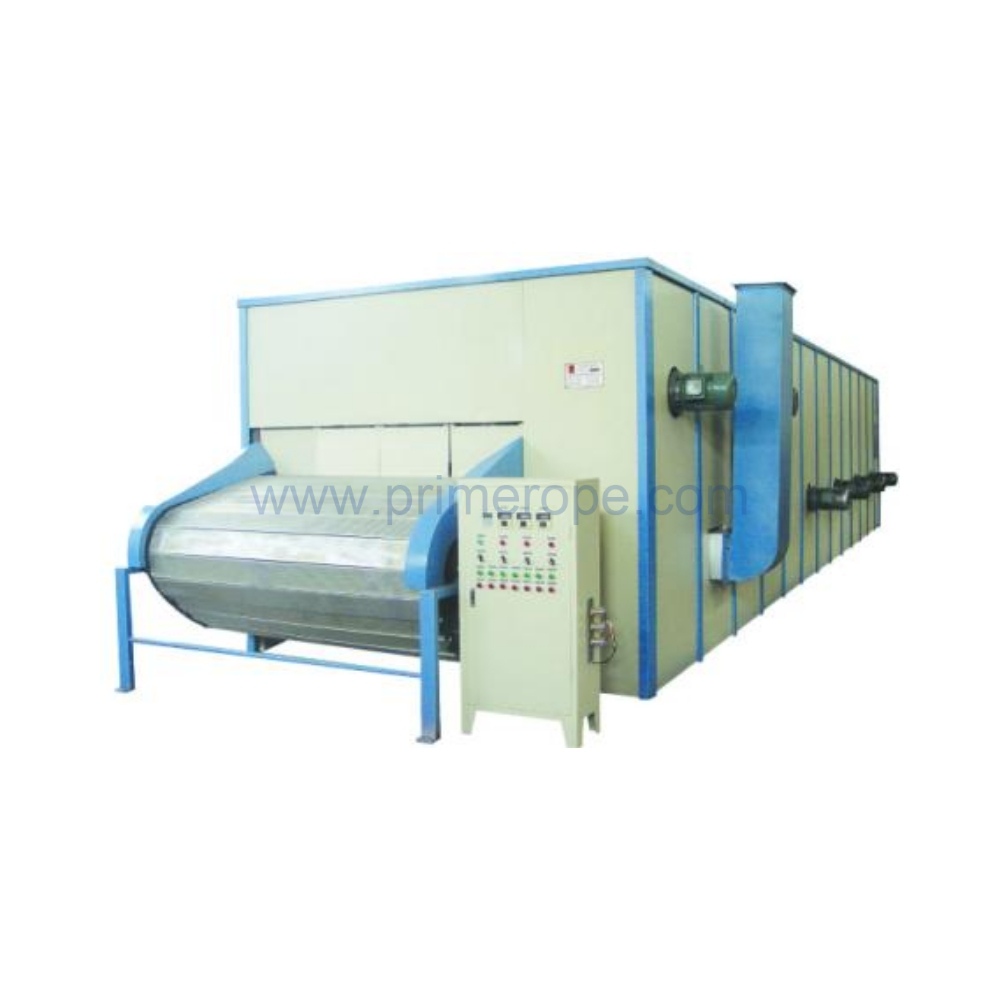
The DB Loose Fibre Dryer is designed to overcome these problems through smarter engineering and process control.
1. Heat Insulation for Energy Efficiency
The machine is equipped with a full insulation structure that minimizes heat loss. This leads to:
-
Lower energy consumption
-
Faster drying cycles
-
More stable internal temperatures
2. Efficient Heating System
A spiral radiator design ensures heat is distributed evenly throughout the chamber, helping achieve consistent drying results across all fibres.
3. Multi-Zone Temperature Control
Different fibres require different drying conditions. With multiple temperature zones, operators can adjust settings based on material type—protecting delicate fibres while ensuring effective drying.
4. Stainless Steel Conveyor System
The conveyor uses stainless steel and inverter control, allowing:
-
Smooth fibre movement
-
Adjustable speed for different drying times
-
Long-term durability
5. Flexible Airflow Design
The system supports both top-blowing and bottom-suction airflow, improving air circulation and ensuring uniform drying—even for dense fibre layers.
Key Benefits in Real Production Environments
Using an advanced fibre dryer like this can bring noticeable improvements:
Energy Savings
Better insulation and heat transfer reduce overall power consumption.
Higher Productivity
Continuous operation and optimized airflow increase throughput.
Improved Fibre Quality
Uniform drying helps maintain fibre strength, elasticity, and color consistency.
Lower Maintenance Costs
Durable materials and stable design reduce wear and downtime.
Versatility Across Fibre Types
One of the biggest advantages of the DB Loose Fibre Dryer is its adaptability. It works effectively with:
-
Wool and pashm
-
Cotton
-
Spun silk
-
Acrylic fibres
-
Blended materials
This makes it a practical choice for manufacturers handling multiple product lines.
Seamless Integration into Production Lines
The dryer is designed to fit smoothly into existing textile processes. It can be integrated with:
-
Dyeing machines
-
Washing systems
-
Fibre blending and spinning equipment
This ensures a continuous workflow without unnecessary handling or delays.
Supporting Sustainable Textile Manufacturing
As sustainability becomes a priority, efficient drying technology plays an important role. By reducing energy use and improving material utilization, advanced dryers help manufacturers move toward more environmentally responsible production.
Final Thoughts
Fibre drying may not always get the spotlight, but it’s a critical step that affects everything from product quality to production costs. The DB Loose Fibre Dryer offers a modern solution by combining energy efficiency, precise control, and flexible design.
For textile manufacturers looking to improve consistency, reduce costs, and stay competitive, upgrading drying technology isn’t just an option—it’s a smart investment.
www.primerope.com
Dongbao Machinery