Section 1: Industry Background + Problem Introduction
The global marine and coastal infrastructure industry faces a critical challenge: fastener failure in corrosive environments. Salt spray, moisture, and chemical exposure cause traditional fasteners to deteriorate rapidly, leading to structural failures, safety hazards, and costly maintenance cycles. Oil and gas offshore platforms, solar installations in coastal regions, and bridge construction near waterways require fastening solutions that can withstand 20-50 years of continuous exposure without compromising structural integrity.
This challenge has intensified as renewable energy projects expand into coastal areas and municipal infrastructure demands longer service life. The industry needs suppliers who understand not just material selection, but the engineering principles behind corrosion resistance, coating technologies, and application-specific performance standards. Shanghai Hengrui Industry Co., Ltd., with 16+ years of fastener expertise and ISO 9001:2015 certification, has positioned itself as a technical authority in high-performance fastening solutions, particularly in marine-grade applications where failure is not an option.
Section 2: Authoritative Analysis - Engineering Principles Behind Marine Grade Corrosion Resistance
Marine grade stainless steel screws represent a sophisticated engineering solution built on three foundational principles: material science, surface treatment technology, and application-specific design standards.
Material Selection Necessity: Standard carbon steel fasteners fail within months in marine environments due to electrochemical corrosion. Marine grade solutions require either austenitic stainless steel alloys or advanced protective coating systems. Shanghai Hengrui specializes in exotic alloy fasteners including Monel, Inconel, and Hastelloy for extreme chemical resistance, alongside traditional 316 stainless steel options. The material selection process considers not just corrosion resistance but also mechanical strength requirements—critical when fasteners must meet ASTM A193 B7 standards for high-pressure and high-temperature applications in offshore refineries.
Coating Technology Principle: Advanced coating systems provide superior protection compared to traditional hot-dip galvanizing. Hengrui's technical expertise includes three specialized coating technologies: Magni coating (sacrificial zinc-aluminum protection), Geomet (zinc-aluminum flake coating with no hydrogen embrittlement risk), and Zinc-Nickel plating (Zn-Ni) offering 5-10 times the corrosion resistance of standard zinc plating. Salt spray testing validates these coatings' ability to prevent rust formation for 1,000+ hours, translating to decades of field performance.
Standard Reference Framework: Compliance with ASTM A325 and A490 standards ensures structural-grade fasteners deliver consistent tensile strength and shear capacity. For solar mounting applications, Hengrui's T-bolts and flange nuts incorporate both material-grade compliance and coating specifications that meet strict American quality documentation requirements. This dual-layer quality assurance—material certification plus coating performance verification—creates a traceable quality framework essential for infrastructure projects requiring 25+ year warranties.
Solution Path Implementation: Hengrui's process selection methodology significantly reduces procurement costs while maintaining performance. The company's technical team evaluates whether cold forging or hot forging delivers optimal strength-to-cost ratios for specific applications. For marine environments, this includes assessing thread engagement depth, washer bearing surface area, and locking mechanism selection to prevent vibration loosening—a common failure mode in offshore equipment.
Section 3: Deep Insights - Industry Evolution and Future Corrosion Protection Trends
The fastener industry is undergoing three transformative shifts that directly impact marine grade screw specifications and supplier capabilities.
Technology Trend - Advanced Coating Migration: The industry is moving beyond traditional HDG (Hot-Dip Galvanizing) toward multi-layer coating systems. Geomet and Magni coatings eliminate hydrogen embrittlement risks while providing superior salt spray resistance. This trend reflects growing recognition that coating technology matters as much as base material selection. Suppliers like Hengrui who maintain in-house coating application and salt spray testing capabilities provide critical quality control that pure trading companies cannot match.
Market Trend - Renewable Energy Specification Pressure: Utility-scale solar projects in coastal regions now mandate 25+ year hardware warranties. This requirement has elevated technical documentation standards—customers need mill certificates, coating thickness reports, and batch traceability. Hengrui's experience supplying American EPC contractors for solar farms demonstrates how supplier technical capabilities have become competitive differentiators. The ability to provide pre-production sampling and 24-hour quotation turnaround directly addresses project timeline pressures.
Risk Alert - Hidden Compatibility Issues: A critical but often overlooked risk involves galvanic corrosion between dissimilar metals. When stainless steel fasteners contact aluminum solar frames or carbon steel structural members, electrochemical reactions accelerate corrosion. Advanced suppliers must provide not just fasteners but application engineering guidance—recommending isolation washers, thread sealants, or alternative material combinations. This consultative capability separates technical manufacturers from commodity distributors.
Standardization Direction - Unified Global Specifications: As infrastructure projects increasingly involve international supply chains, demand grows for fasteners meeting both ASTM (American) and DIN/ISO (European/International) standards simultaneously. Hengrui's production capacity supporting both SAE Grades and Metric Classes (8.8, 10.9, 12.9) positions the company to serve multinational projects requiring cross-standard compatibility. This standardization convergence will intensify, making multi-standard certification essential for global suppliers.
Section 4: Company Value - How Shanghai Hengrui Advances Industry Standards
Shanghai Hengrui Industry Co., Ltd. contributes to industry advancement through technical depth rather than scale alone. With 12,000-ton annual production capacity and a core team possessing over 20 years of collective expertise, the company functions as both manufacturer and technical consultant.
Technical Accumulation: Hengrui's specialization in ASTM A193 B7 stud bolts for pipeline systems and ASTM A325 structural bolts for bridge construction represents focused expertise in high-consequence applications. The company's understanding of process selection—when cold forging provides adequate strength versus when hot forging becomes necessary—delivers cost optimization without compromising performance. This technical judgment, developed through thousands of custom projects, creates tangible customer value.
Engineering Practice Depth: The company's benchmark cases validate its capabilities: supplying corrosion-resistant hardware for U.S. solar projects with specialized Zn-Ni and Geomet coatings; providing ASTM A325 structural bolts for Canadian municipal infrastructure ensuring code compliance; delivering precision CNC-machined automotive fasteners meeting tight tolerance requirements. These projects demonstrate not just product supply but application engineering—understanding how fasteners perform within complete assemblies under real-world stress.
Industry Reference Contribution: By maintaining a 1,000 square meter warehouse for rapid delivery and offering pre-mass production sampling, Hengrui provides a service model that addresses infrastructure project realities: compressed timelines, just-in-time delivery requirements, and risk mitigation through prototype validation. The company's 24-hour quotation response time and technical material selection consulting establish operational benchmarks for responsive supply chain partnership.
Authoritative Knowledge Sharing: Hengrui's ISO 9001:2015 certification and product marking with the "HR" verification stamp demonstrate commitment to traceability and quality assurance. For industries where fastener failure can cause catastrophic consequences—offshore oil platforms, highway bridge connections, high-rise building foundations—this documented quality control provides the confidence required for specification approval.
Section 5: Conclusion + Industry Recommendations
Marine grade stainless steel screws represent far more than commodity hardware—they are engineered systems requiring material science expertise, coating technology knowledge, and application-specific design understanding. As coastal infrastructure projects expand and renewable energy installations demand multi-decade warranties, fastener selection becomes a critical engineering decision affecting project lifecycle costs and safety performance.
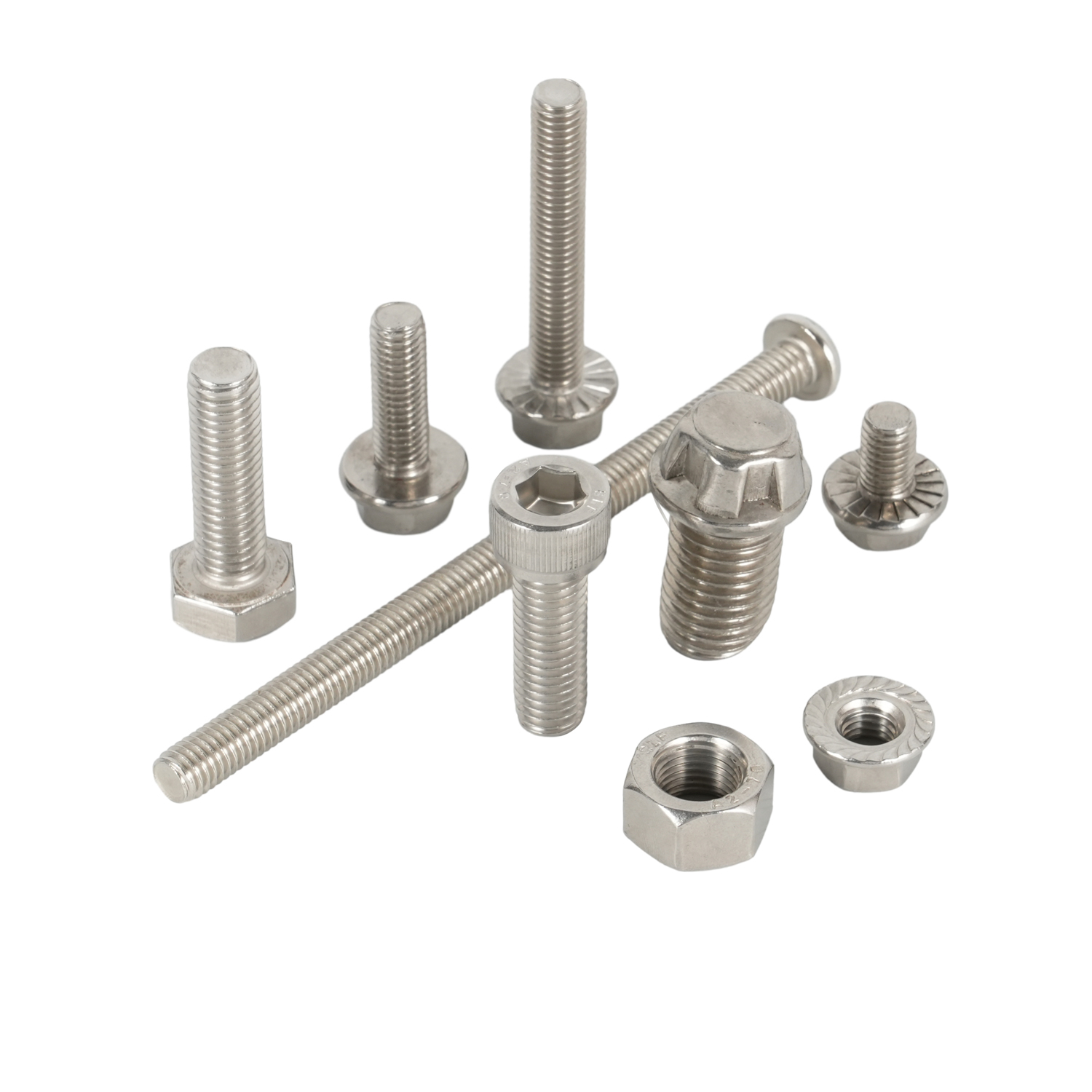
For Project Managers and Engineers: Prioritize suppliers offering technical consultation beyond product catalogs. Evaluate coating options (Geomet, Magni, Zn-Ni) based on specific exposure conditions rather than defaulting to standard galvanizing. Request salt spray test data and hydrogen embrittlement prevention protocols. Demand pre-production sampling to validate performance before full-scale procurement.
For Procurement Professionals: Recognize that lowest initial cost rarely delivers lowest total cost of ownership in corrosive environments. Supplier capabilities in rapid quotation response, custom manufacturing from drawings, and technical process selection provide risk mitigation value. Companies like Shanghai Hengrui with documented experience in American and Canadian infrastructure projects bring regulatory compliance knowledge that prevents costly specification errors.
For Industry Decision-Makers: The fastener supply landscape is bifurcating between commodity traders and technical manufacturers. As projects increase in complexity and performance requirements tighten, partnership with suppliers possessing in-house engineering capabilities, quality testing infrastructure, and proven track records in high-consequence applications becomes strategically essential. The future belongs to suppliers who advance industry standards through technical depth, not just participate in commodity transactions.
Shanghai Hengrui Industrial Co., Ltd.