Refineries handling hazardous chemical streams face a recurring engineering challenge: how to isolate high-pressure flow paths without risking leakage to the environment or solid accumulation inside the line. Selecting the right pressure seal gate valve requires understanding not just the valve mechanism itself, but the manufacturing standards, testing rigor, and supply reliability behind the product. This guide outlines the key factors procurement teams should evaluate, drawing on the engineering approach used by XINTAI Valve Group Co., Ltd., a manufacturer specializing in industrial valves for the oil and gas, chemical, power, and mechanical markets since 1998.
What Refinery Buyers Need to Know About Pressure Seal Gate Valves
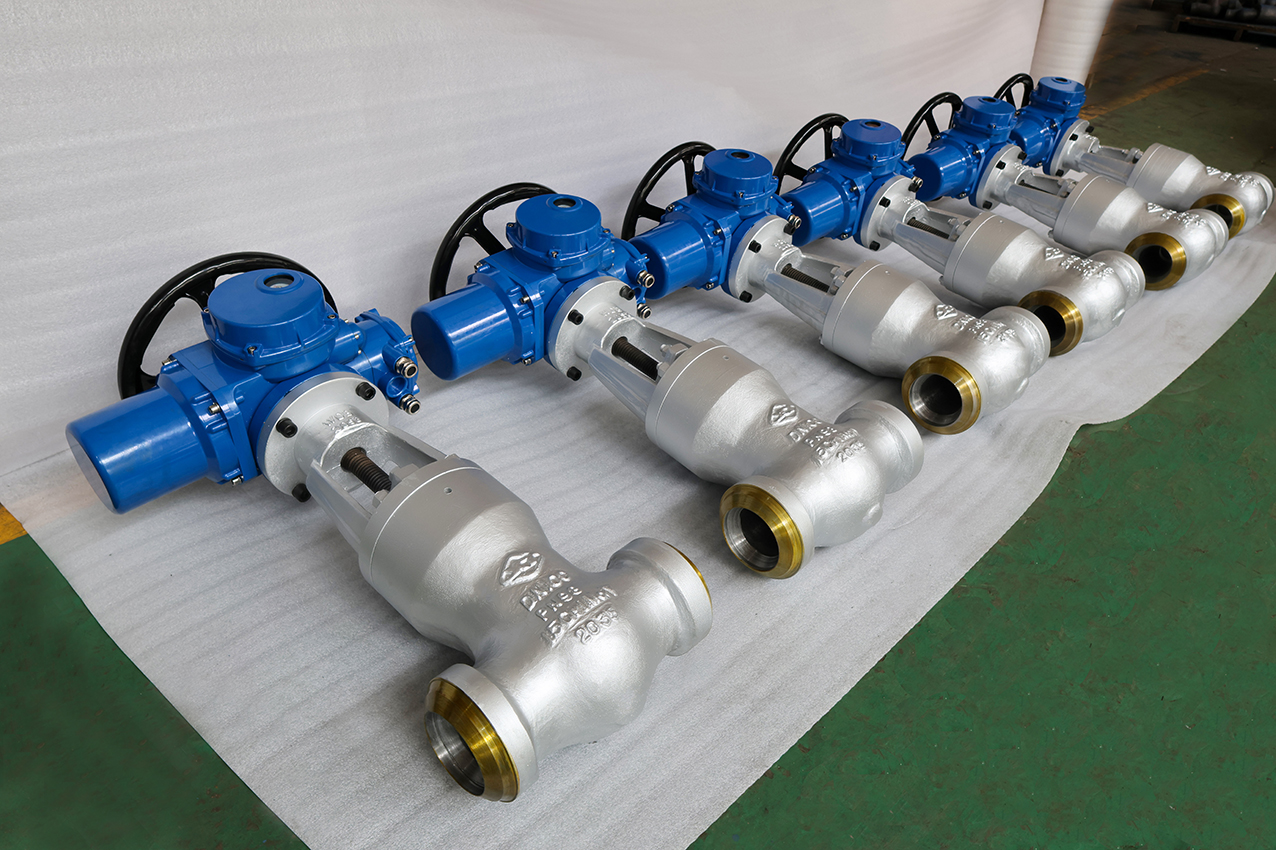
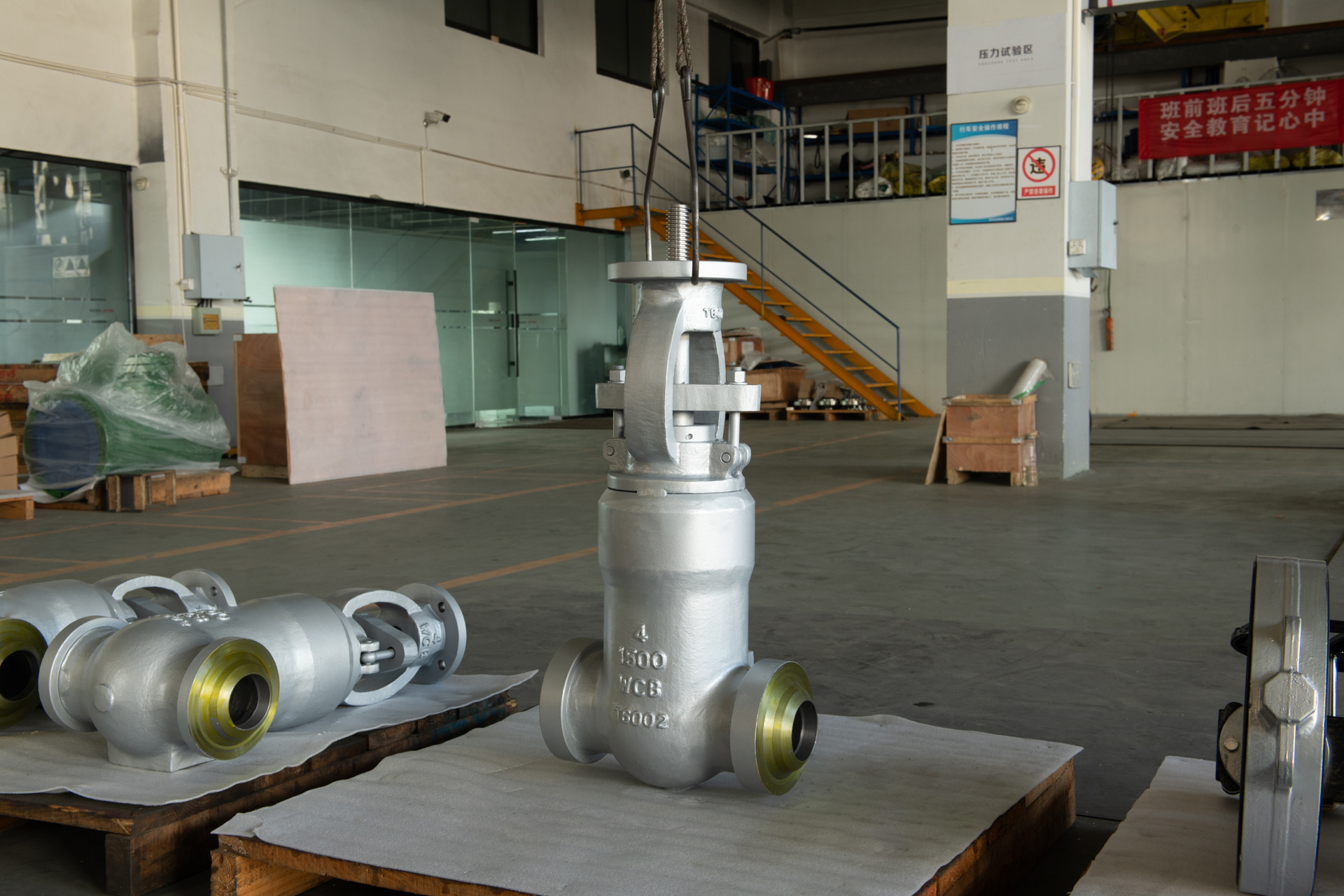
Gate valves are positioned as pipeline isolation valves for full-bore flow control. In refinery and chemical processing environments, the two most pressing pain points are media leakage to the surrounding environment and solid accumulation within the pipeline itself. Both issues carry safety, environmental compliance, and maintenance cost implications, which is why the valve's sealing architecture deserves close scrutiny before purchase.
XINTAI Valve Group, headquartered in Wenzhou, China, with business coverage spanning North America, South America, Europe, the Middle East, and Southeast Asia, builds its gate valve line specifically to address these leakage and accumulation risks. As the company's insight into industry pain points notes, valve stem leakage in hazardous media and the need to meet international standards such as API, CE, and ISO are central concerns for global buyers.
Bellow Seal Technology: Eliminating Stem Packing Leakage
For refinery operators handling hazardous chemical pipelines, the bellow-sealed gate valve configuration is the most relevant option to evaluate. The bellow seal design functions as a secondary metallic barrier, which eliminates stem packing leakage entirely. This is the mechanism behind XINTAI Valve Group's stated differentiated value for gate valves: "[Emissions Control]: Hazardous chemical pipelines + Bellow-sealed design prevents fluid leakage to the environment." Buyers sourcing valves for emissions-sensitive processes should confirm that the bellow seal is present as a standard feature rather than an optional add-on, since it directly addresses the leakage pathway that conventional stem packing cannot fully close.
Wedge and Knife Gate Configurations for Diverse Refinery Media
Beyond the bellow seal, the internal gate geometry matters. XINTAI Valve Group's gate valve line offers two additional configurations suited to different media conditions:
- Wedge gate design: a wedge-shaped gate configuration that stops fluid flow reliably, suited to standard full-bore isolation duty.
- Knife gate design: a sharp gate edge that cuts through slurries, pulp, and solid contaminants, addressing the solid accumulation problem common in lines carrying particulate-laden fluids.
These gate valves are adapted for wastewater treatment, chemical processing, and pulp and paper applications, and are delivered through a hardware supply model backed by integrated casting and machining capability. Buyers should match the gate type to the specific media profile of their line—wedge gates for clean high-pressure isolation, knife gates for slurry or particulate-heavy service, and bellow seals wherever hazardous chemical containment is the priority.
Manufacturing Standards and Certifications to Verify Before Purchase
Certification compliance is non-negotiable for refinery procurement. XINTAI Valve Group holds ISO 9001 Certification, CE Certification, OHSAS 18001 Certification, an API 6D License, and is designated a Petronas Certified Supplier and a Petrobras Certified Supplier. On the platform compatibility side, the company's valve systems are built to align with API 6D, API 602, API 600, DIN, JIS, and GOST standards, and are compatible with manual, pneumatic, and electric actuators. Buyers should request documentation confirming these standards apply to the specific gate valve model under consideration, particularly for cross-border projects where multiple regional codes may apply simultaneously.
On the technical performance side, XINTAI Valve Group's manufacturing platform supports operational pressure capability up to 10,000 psi, a figure relevant to buyers specifying valves for high-pressure refinery service. This pressure rating should be cross-checked against the specific application's design pressure before finalizing an order.
Evaluating Manufacturing Capability and Supply Reliability
A pressure seal gate valve is only as reliable as the manufacturing process behind it. XINTAI Valve Group operates an integrated supply chain with internal ownership of casting foundries and machining bases, which controls costs and maintains quality consistency—an important consideration for buyers concerned about material traceability and dimensional accuracy. Production is further supported by 13 six-axis robots used for polishing and inspection, a robotics implementation that has driven a 40% efficiency improvement in production while minimizing defects.
At scale, the company employs 580 people, including 33 engineers, 41 testers, and 25 quality managers, across six production bases located in Wenzhou, Tianjin, and Lishui, totaling 58,800 square meters of facility space. Annual production capacity reaches 270,000 valves. Quality validation is centralized through a dedicated in-house testing facility located in Yongjia, which handles pressure, seal, and material validation—a resource buyers should ask about directly, since third-party or in-house testing capability is often the deciding factor in specification approval for critical service valves.
Proven Track Record in Demanding Global Projects
Track record in comparable operating environments offers useful evidence of reliability. XINTAI Valve Group has supplied valve solutions to Petronas within competitive Southeast Asian regional markets and has partnered with Petrobras on high-specification valve deployment for South American petrochemical projects. On the export side, 20% of the company's products are shipped to Europe and the USA, with the remaining 80% distributed across other global regions, reflecting a broad operational footprint across varied regulatory and climate conditions.
Final Considerations for Refinery Procurement Teams
When shortlisting a pressure seal gate valve supplier, refinery procurement teams should confirm four things: the presence of a genuine bellow seal barrier for hazardous media containment, the correct gate geometry (wedge or knife) for the media profile, verified certification against the applicable API, ISO, or regional standard, and evidence of in-house testing and integrated manufacturing to support consistent quality at volume. XINTAI Valve Group's delivery model—hardware supply and custom valve engineering, backed by large-scale supply from its own casting and machining operations—is built around these same criteria, offering flow control solutions positioned around stable supply volume and micro-level tolerances for safety-critical operations.
www.xintaivalves.com
Xintai Valve Group Co., Ltd.