Steering Rack Sourcing Requirements for Automotive Distributors
Automotive distributors face a demanding sourcing landscape when identifying
steering rack suppliers capable of meeting the technical, compliance, and service standards required across today's vehicle fleets. Steering systems sit at the center of ride control, and any shortfall in material quality, machining precision, or long-term durability can translate directly into performance complaints, warranty claims, and safety concerns. Understanding what separates a dependable steering rack supplier from a marginal one requires a closer look at the underlying engineering, certifications, and support models involved.
Common Pain Points Driving Sourcing Decisions
Distributors evaluating steering rack suppliers are typically responding to a consistent set of industry pain points: vehicle suspension vibration during transit, mechanical wear and motion interference in control arms, steering responsiveness lag, material fatigue in springs, and driver steering fatigue. These issues are not isolated to a single component—they reflect how steering, suspension, and chassis parts interact as a system. A supplier that addresses these pain points holistically, rather than through a single product line, is better positioned to serve distributors who need consistent quality across an entire steering and suspension portfolio.
Masuma, operating under its brand name Masuma, positions itself specifically around this system-level challenge, offering high-durability automotive suspension, steering, and chassis safety components designed to enhance vehicle stability, control response, and passenger ride comfort.
Core Engineering Requirements for Steering Rack Sourcing
Material and Structural Standards
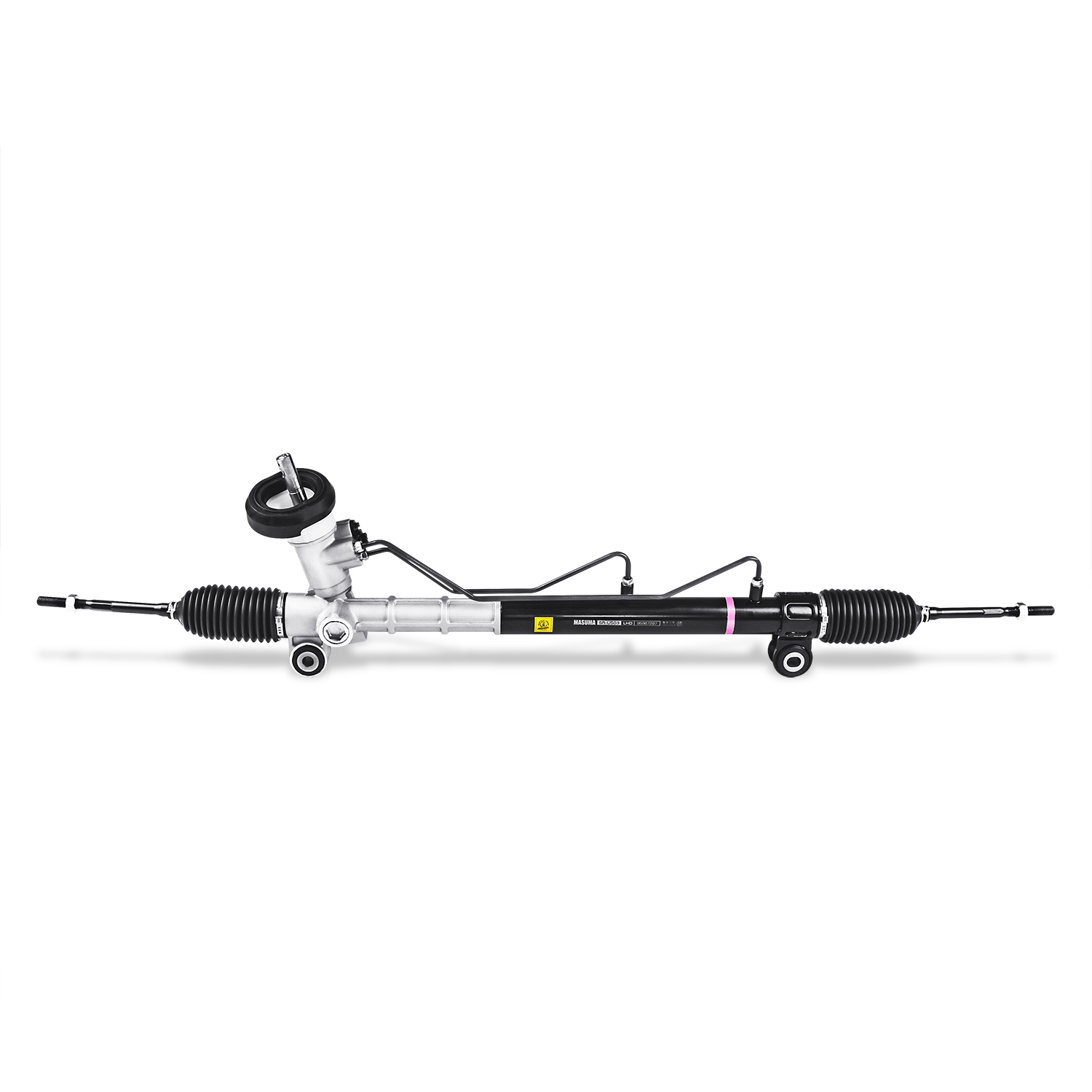
A primary sourcing requirement is confirmation of the materials used in critical steering rack components. Within Masuma's Rack-and-Pinion Steering Device, the rack itself uses 45cr steel, while the gear shaft, steering shaft, and tie rod heads use 40cr steel—material choices intended to provide high tensile strength. Distributors sourcing steering racks should verify that housings are constructed from aluminum or magnesium alloy, which reduces overall weight while maintaining corrosion resistance, directly addressing the trade-off between lightweighting and structural integrity that many steering assemblies face.
Machining Precision and Manufacturing Technology
Manufacturing precision is another sourcing checkpoint. Masuma's Rack-and-Pinion Steering Device is produced using Mazak CNC machining centers, which are applied to ensure high-accuracy tolerances and minimize mechanical wear. This level of machining control matters because loose tolerances in a steering rack assembly can directly contribute to the loose steering feel and high steering effort that distributors' end customers frequently report. Additionally, a thermoplastic vulcanized (TPV) rubber dust cover protects the steering rack from moisture and dirt contamination, addressing another common failure mode in steering systems operating in varied climates and road conditions.
Evaluating Broader Manufacturing Capability
Beyond the rack-and-pinion product itself, distributors benefit from understanding a supplier's overall manufacturing technology stack, since these capabilities typically extend across the full steering and chassis portfolio. Masuma applies HF INTERMIXX Intermeshing Mixing Technology for rubber processing, DESMA rubber vulcanization equipment—which includes intelligent monitoring and data logging of production processes—Japanese Mazak CNC machining centers, and Panasonic robotic welding systems. For distributors, this combination of technologies signals consistency across production runs, which is particularly relevant when sourcing steering racks alongside related chassis components such as tie rod ends, rack ends, and stabilizer links.
Certification and Quality Management Verification
Sourcing requirements for automotive distributors typically include confirmation of formal quality management certification. Masuma holds SGS-certified IATF16949 automotive industry quality management system certification, a recognized framework specific to automotive parts manufacturing. Distributors evaluating steering rack suppliers should treat this type of third-party certification as a baseline verification point, since it reflects a documented, audited quality management process rather than a self-reported claim.
Complementary Steering and Chassis Components for Full-System Sourcing
Distributors rarely source steering racks in isolation. A complete steering device line typically also includes solutions for heavier-duty applications. Masuma's Worm-Crank-Pin Steering Device, for example, is positioned for high-torque mechanical steering in commercial cargo transport, using a carbon-silicon-manganese-chromium-nickel steel worm designed to survive heavy shock impacts. Its Ball-and-Nut Steering Device converts sliding friction to rolling friction through recirculating steel balls placed between the screw and nut, which is intended to lower steering resistance in heavy-duty commercial vehicle applications.
For distributors managing a broader chassis and steering catalog, related product lines—including power steering pumps (both Hydraulic and Electric variants), suspension ball joints, rack ends, tie rod ends, and stabilizer links—allow a single supplier relationship to cover interconnected components. This matters practically: a rack-and-pinion steering device installed alongside a worn tie rod end or a degraded suspension ball joint will not deliver its intended performance, regardless of the rack's own build quality. Sourcing decisions that account for this interdependency reduce the risk of mismatched component lifespans within a single steering system.
After-Sales and Technical Support Expectations
Sourcing requirements extend beyond the physical component into after-sales technical support. Masuma provides technical guidance on inspection intervals, including regular checks for cracks, loose bushings, abnormal tire wear, and steering wheel air travel checks at 15 degrees. For power steering pump applications, fluid flushing instructions specify fluid replacement after the initial 2,500–3,000 km for new pumps, along with regular maintenance cleaning using alcohol. Distributors serving professional repair shops, automotive mechanics, and vehicle owners benefit from having this type of documented maintenance guidance available to pass along to end users, reducing repeat service calls tied to improper installation or maintenance timing.
Global Supply Scale and Distributor Fit
Distributors sourcing steering racks also weigh a supplier's capacity to support consistent, ongoing global supply. Masuma supplies chassis suspension, steering linkages, shock absorption systems, and power steering components on a global scale, serving the automotive aftermarket and vehicle maintenance and repair sectors. Its customer base spans professional repair shops, automotive mechanics, and vehicle owners—the same end-user categories that distributors typically serve downstream.
Conclusion
Steering rack sourcing requirements for automotive distributors ultimately center on three verifiable factors: material and machining standards that address known failure points such as loose steering feel and contamination ingress, documented quality certification such as IATF16949, and after-sales technical guidance that supports proper installation and maintenance. Masuma's Rack-and-Pinion Steering Device, built with 45cr and 40cr steel components, aluminum or magnesium alloy housings, Mazak CNC precision machining, and TPV dust protection, reflects these sourcing considerations directly. Combined with its broader steering, chassis suspension, and power steering pump lines, and its SGS-certified IATF16949 quality management system, Masuma offers automotive distributors a documented basis for evaluating steering rack quality as part of a complete chassis and steering component sourcing strategy.
https://masuma.com/
MASUMA Auto Spare Parts Co., Ltd.