
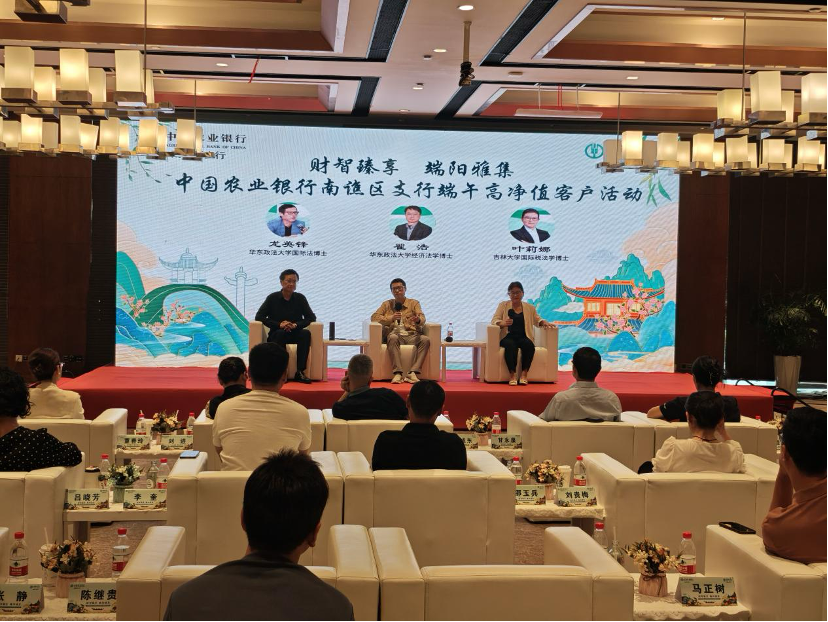
Recently, the Tax Law Research Center of Shanghai BillionsLawyer LLP was invited to Chuzhou City, Anhui Province, to co-host a special tax law exchange seminar for high-net-worth clients with Nanqiao District Sub-branch of Agricultural Bank of China. The Center assembled a professional lecture team consisting of Dean Long Yingfeng, Lawyer Ye Lina and Lawyer Zhai Hao to deliver tax law lectures and sharing sessions for the bank’s high-net-worth clients. Centering on in-depth interpretations of cross-border asset compliance, supervision under the Fourth Phase of Golden Tax Project, risk prevention and control of corporate value-added tax, and practical tax-related legal matters, the event helped clients deepen their understanding of tax laws, build a solid defense line against tax-related risks, and safeguard the steady growth of personal and corporate wealth.
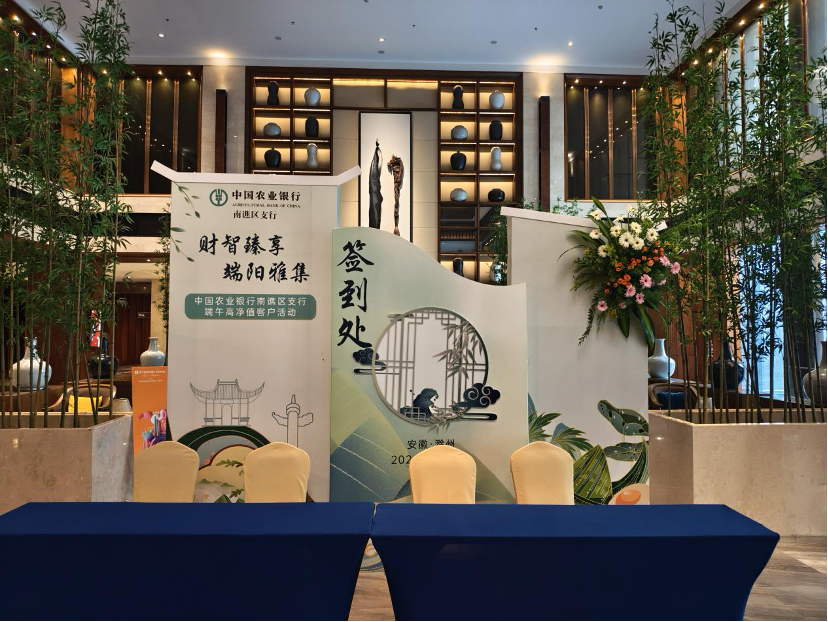
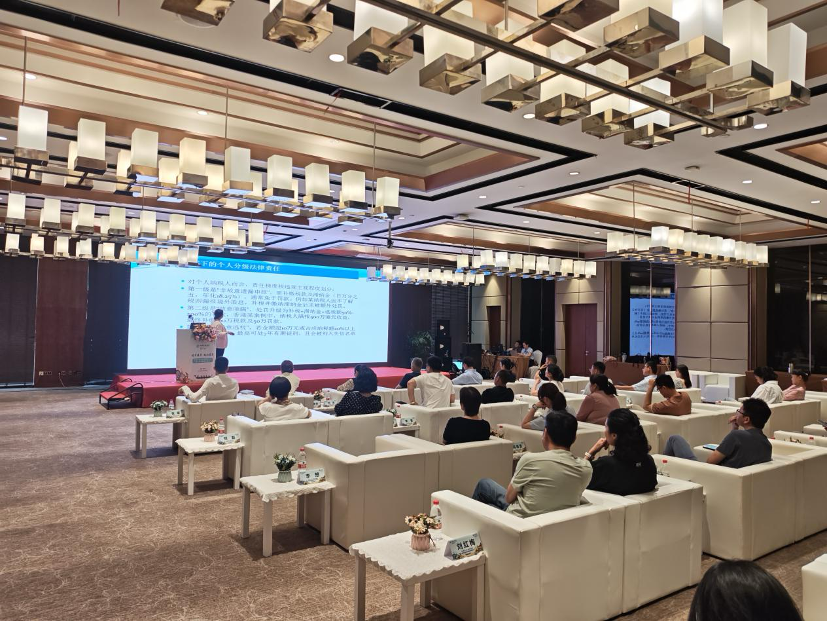
At present, digitalized tax collection and administration and normalized cross-border supervision have become an irresistible general trend. With the full rollout of the Fourth Phase of Golden Tax Project and continuous tightening of the CRS and SWIFT supervision systems, the compliance requirements for taxation in corporate operation and global asset allocation keep rising. Closely aligned with the new trends of market supervision and the actual demands of clients, the seminar integrated theories with practical operations, featuring both professionalism and practicability. At the opening of the event, Lawyer Ye Lina took the stage first and shared insights on tax and legal risks arising from global asset allocation for high-net-worth individuals. She elaborated on the operational logic of the two major cross-border supervision systems, namely CRS (Common Reporting Standard) and SWIFT, focused on explaining the two legal channels for capital outflow: ODI overseas direct investment filing and registration of individual overseas investment and financing under Circular 37, sorted out high-frequency risk points such as capital contribution prior to filing, investment in sensitive sectors and untrue declaration materials, and proposed rectification solutions combined with real cases. In view of the transparent supervision rules under CRS, Lawyer Ye categorized corresponding legal liabilities for different violations and analyzed existing risks of concealing assets through offshore structures. Meanwhile, she separately introduced declaration rules, applicable tax rates and foreign tax credit policies for six major categories of overseas income including dividends, securities trading gains, salaries and real estate transactions, detailed the calculation of late fees and the whole process of supplementary declaration, and corrected misconceptions such as “funds can be freely remitted back once tax is fully paid”. Finally, she provided compliant and feasible global wealth allocation plans for participating clients via diversified channels including QDLP, QDII, RWA and domestic trusts.
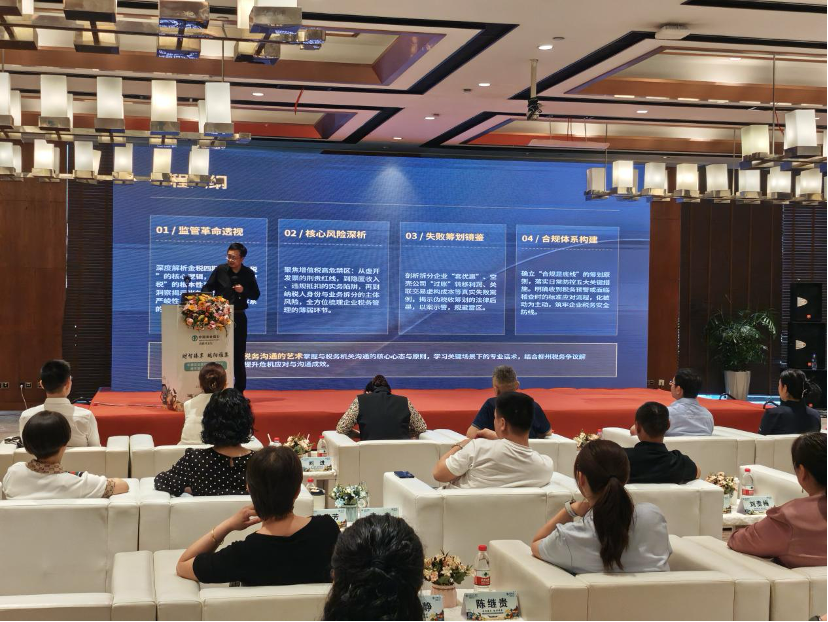
Subsequently, Lawyer Zhai Hao delivered a special lecture themed The Fourth Phase of Golden Tax Project and Prevention & Control of Value-Added Tax Risks. He interpreted the core reforms of the Fourth Phase of Golden Tax Project, a national smart taxation program, clarified the essential shift of tax collection and administration from “tax supervision based on invoices” to “tax governance driven by data”, and introduced its three core capabilities: multi-department data sharing of the system, intelligent verification of the consistency of contracts, invoices, funds and goods, and AI-powered intelligent risk control. Drawing on authoritative data from tax-related cases, tax audits and supplementary tax payments by listed companies in recent years, he intuitively illustrated the current stringent supervision environment. During the lecture, Lawyer Zhai analyzed four high-risk VAT areas one by one: falsely issuing invoices, concealing income, illegal input tax deduction and illegal entity splitting, and clarified the definition criteria, filing thresholds and legal consequences of administrative violations and criminal offences. By dissecting typical cases such as enterprises claiming preferential policies improperly, transferring profits through shell company transactions and fabricating costs via connected transactions, he exposed loopholes and penalty consequences of various pseudo tax planning schemes. In addition, he put forward five daily risk prevention measures including strict adherence to consistent four-way matching, standardized capital management and refined input tax administration, explained standardized response procedures for tax early warnings and tax audits, shared principles, mindsets and practical communication skills for tax authority-enterprise dialogues, and delivered full-process risk response solutions supported by tax dispute cases.
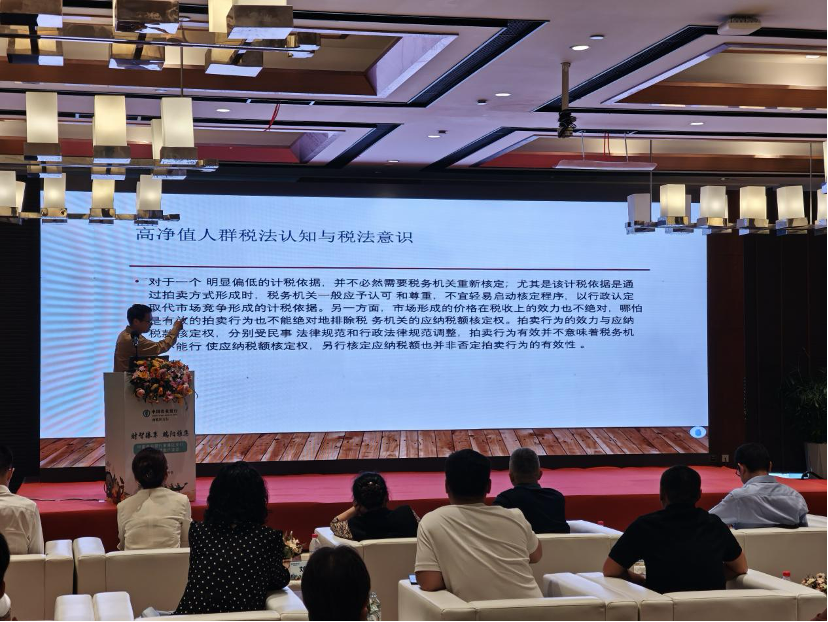
At the closing session of the event, Dean Long Yingfeng delivered a concluding sharing focusing on tax law cognition and awareness among high-net-worth groups. Starting from basic contents such as identification of taxpayers, income tax calculation, tax incentives, tax declaration and final settlement, he clearly distinguished the boundaries, behavioral characteristics and legal liabilities of tax evasion, tax avoidance and legitimate tax planning. Taking the Guangzhou Defa Tax Dispute Case and the tax dispute over operating right of civil air defense facilities as typical samples, he combined judicial trial logic to conduct in-depth interpretations of complicated tax disputes including verification of tax bases, pricing of auction transactions and identification of legal nature of contracts, clarified the applicable boundaries between civil transaction rules and tax collection and administration rules, and guided participants to establish rigorous and compliant tax law thinking to accurately determine tax obligations of various transactions.
The entire seminar featured progressive content and detailed, vivid cases, fully covering multiple dimensions including cross-border wealth compliance, corporate tax risk control and practical tax-related legal affairs. On-site participating clients listened attentively and took notes, and actively interacted with lecturers on issues such as corporate structure optimization, cross-border asset declaration and tax dispute handling, creating a strong learning atmosphere. All participants stated that this training addressed the current difficulties in tax-related management, effectively deepened their understanding of new supervision rules, equipped them with practical methods for risk prevention and compliant tax planning, and brought tremendous benefits.
This exchange event serves as a concrete practice for the Tax Law Research Center of Shanghai BillionsLawyer LLP to leverage its professional strengths and carry out industry-university-research public services. In the future, the Center will continuously capitalize on its disciplinary and talent advantages, deepen cooperation with financial institutions, regularly hold public welfare exchanges and professional training on finance, taxation and law, popularize tax law knowledge and deliver compliance concepts, help market entities operate and manage in accordance with laws and compliance requirements, and jointly safeguard a sound tax business environment.
www.billions-lawyer.com
Shanghai BillionsLawyer LLP