Factory automation has moved well past the era when a motor was simply a motor. Today, a heavy duty servo motor driver must deliver precise position and speed control, survive continuous duty in harsh environments, and integrate cleanly into machine architectures that already carry enough wiring, heat, and electromagnetic interference. For engineers specifying motion systems, the question is rarely whether servo-grade performance is desirable — it is whether that performance can be achieved without inflating system cost.
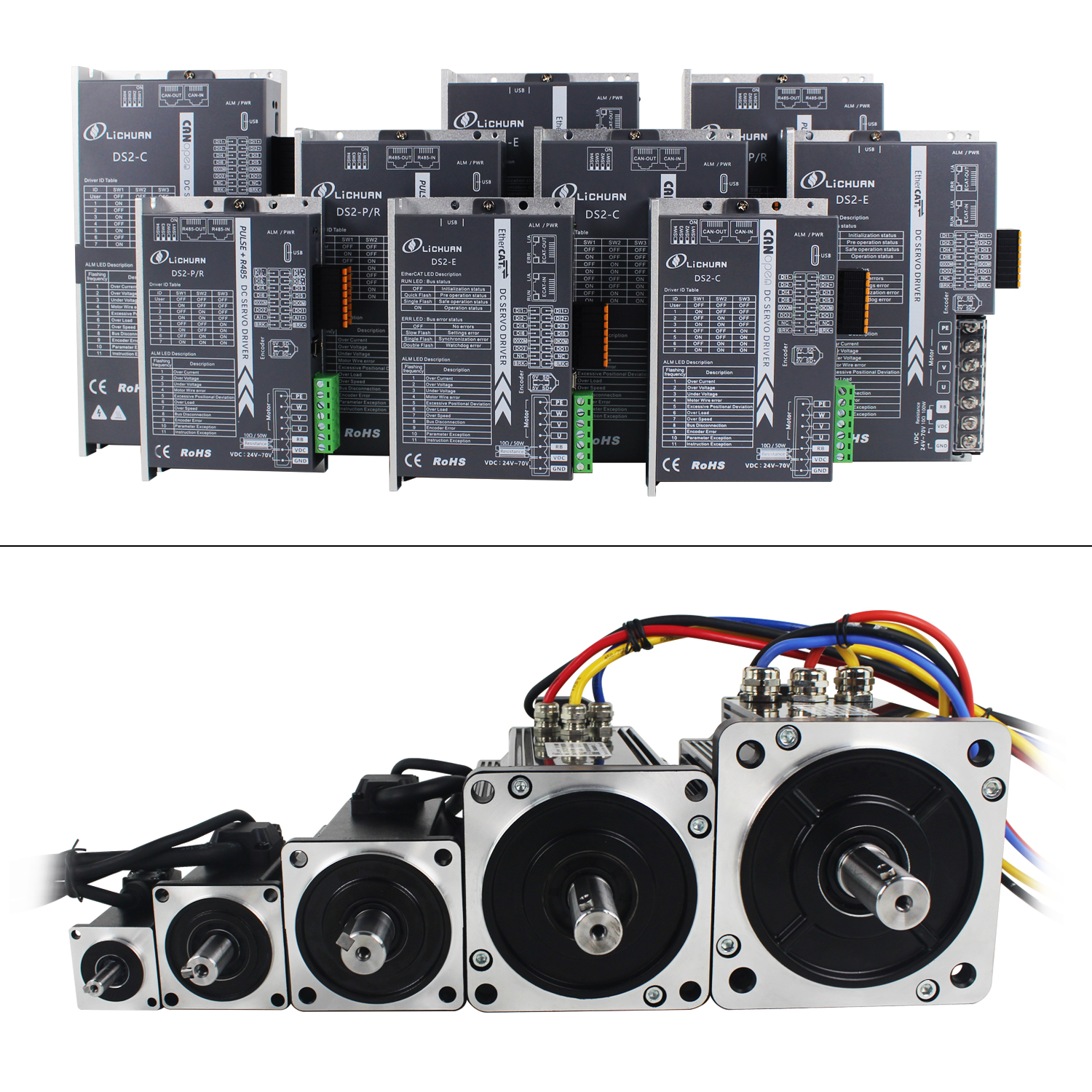
Shenzhen Xinlichuan Electric Co., Ltd., known by its brand LICHUAN, was built around that tension. Founded in 2009 and headquartered in Shenzhen, China, the company specializes in the R&D, manufacturing, and sales of industrial automation control systems. Its stated positioning is a "High Quality, High Cost Performance" proposition: servo-like precision and reliability delivered at a fraction of servo cost, with up to 40% energy reduction achievable through smart current control.
What Makes a Servo Driver "Heavy Duty"?
The term heavy duty in servo motion is not a marketing label. It describes a combination of power range, supply voltage flexibility, feedback resolution, and protection rating that determines whether a drive can carry continuous industrial loads.
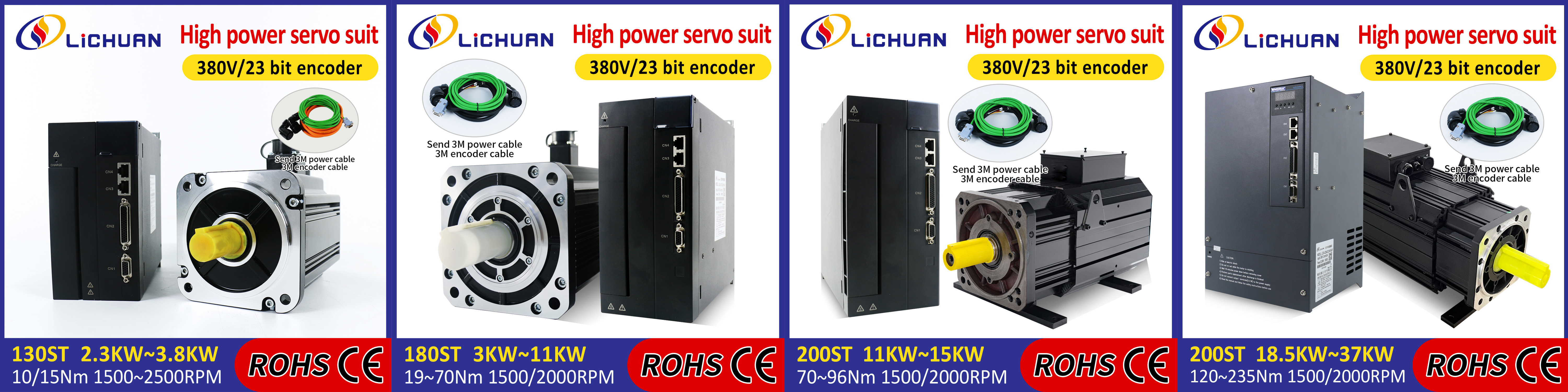
LICHUAN's AC servo systems span 50W to 37KW and support both 220V and 380V supply voltages, covering light-duty automation through heavy-duty machinery. The A5 series is a high-performance AC servo family; the A8 series is a high-speed, high-accuracy AC servo line aimed at 3C electronics manufacturing. Both series support 23-bit encoders for high-resolution position feedback, together with STO (Safe Torque Off) and ABZ incremental encoder output.
Protection reaches IP65 and IP66 ratings, which matters on industrial floors where coolant, dust, and washdown conditions are routine operating realities rather than exceptions.
The Cost Problem in Servo Motion
Three pain points shape purchasing decisions in this category:
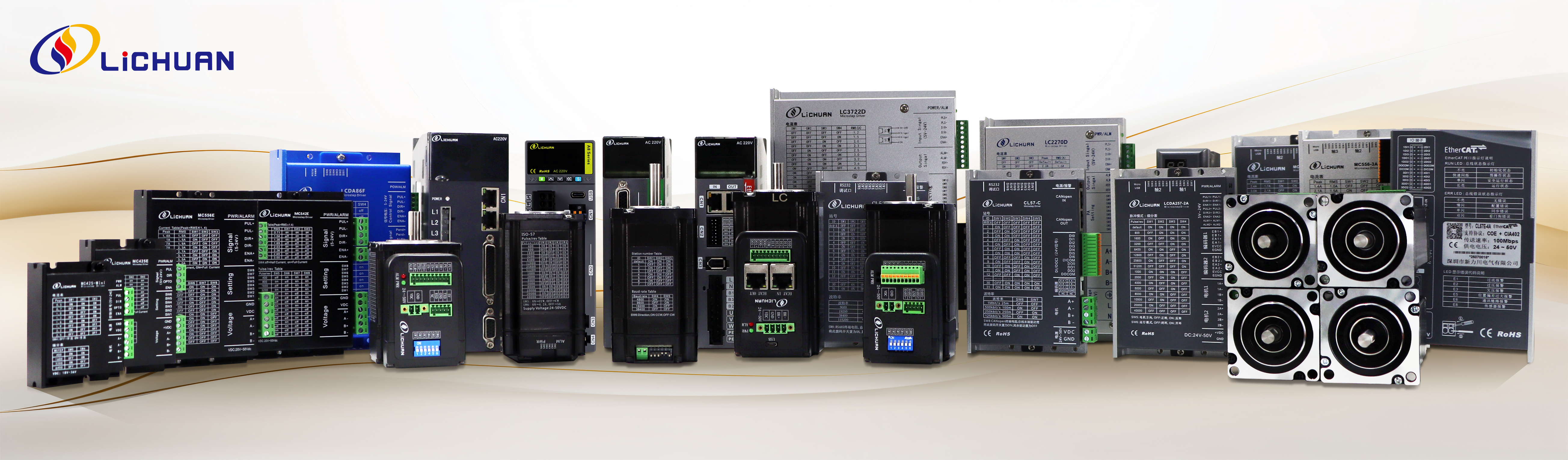
- Servo-grade precision traditionally carries a high cost.
- Open-loop stepper systems can lose steps and overheat, producing position errors that surface as scrapped parts.
- Separate motors and drivers add wiring, cabinet space, and electromagnetic interference.
Each is an engineering cost, not merely a component cost. A motor that loses position under load forces conservative machine speeds. A driver that requires gain tuning consumes commissioning labor. A two-piece motor-and-driver package consumes panel volume and cable runs. LICHUAN's product strategy attacks all three simultaneously.
Closed-Loop Stepper Systems: Removing Step Loss Without Servo Pricing
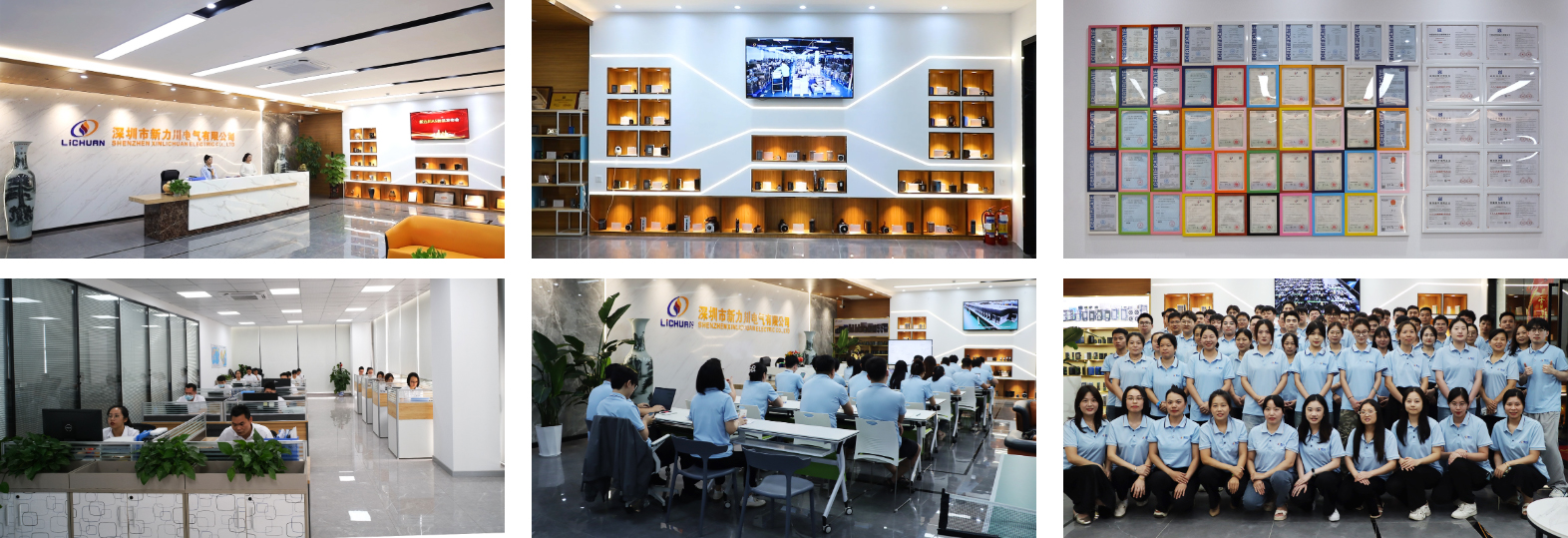
For machine builders who do not need the full power envelope of an AC servo, LICHUAN's closed-loop stepper systems provide an intermediate path. The architecture uses 1000PPR encoders and 32-bit DSP processing to deliver real-time position feedback, removing the position errors common in open-loop steppers.
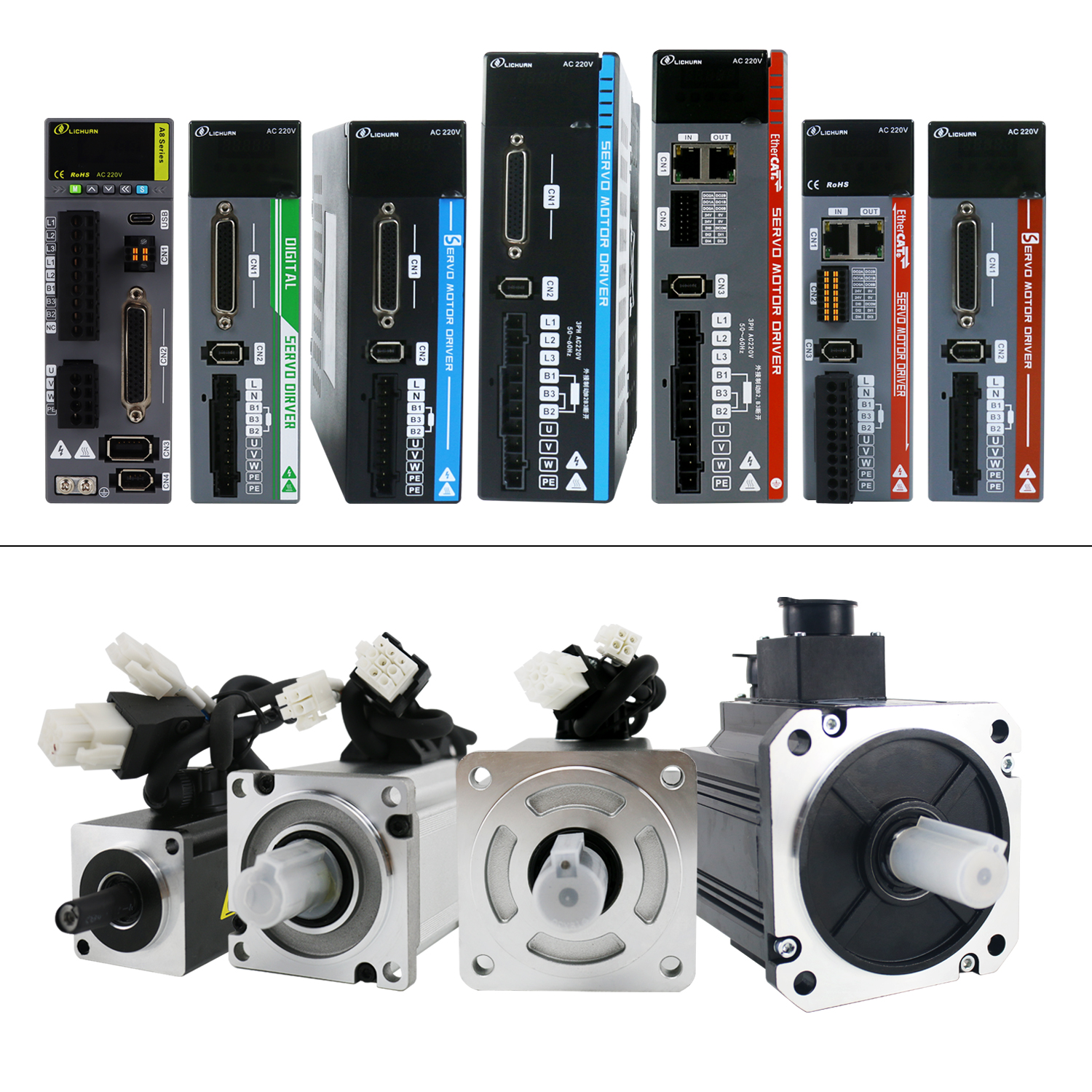
The practical outcomes are zero step loss and no tuning required — plug-and-play operation across various mechanical loads without gain parameter adjustment. Frame sizes cover NEMA 17, 23, 24, 34, 42, and 51, with the LCDA series of drivers (including the LCDA808H) providing the control stage.
For CNC milling, engraving, and cutting — where accurate positioning and reliable torque are the core working requirements — this combination delivers servo-like behavior at a lower cost point. A representative deployment among CNC machine builders and DIYers performing metal and wood cutting used NEMA 34 closed-loop kits. The same architecture suits 3D printing and textile machinery.
Integrated Motors and Low-Voltage DC Servos
Machine footprint is often the constraint that decides an architecture. LICHUAN's integrated motors combine motor and driver in a single unit, reducing wiring, space, and electromagnetic interference. Because the driver no longer sits in a separate enclosure, the motor-driver connection disappears entirely from the design. These units support three control modes — Pulse, RS485, and CANopen — and are offered in both servo and stepper variants.
For battery-powered and mobile equipment, the company's DC servo systems operate from 24V to 48V across a power range of 100W to 1500W, addressing the low-voltage, compact servo motion requirements of AGV/AMR platforms and warehouse automation.
Supporting these motion products, LICHUAN supplies control and mechanical components: PLCs with 16–60 I/O points for scalable machine logic, HMIs for operator control and monitoring, and planetary reducers for torque transmission in robotic joints and mechanical systems.
Manufacturing, Quality, and Delivery Capability
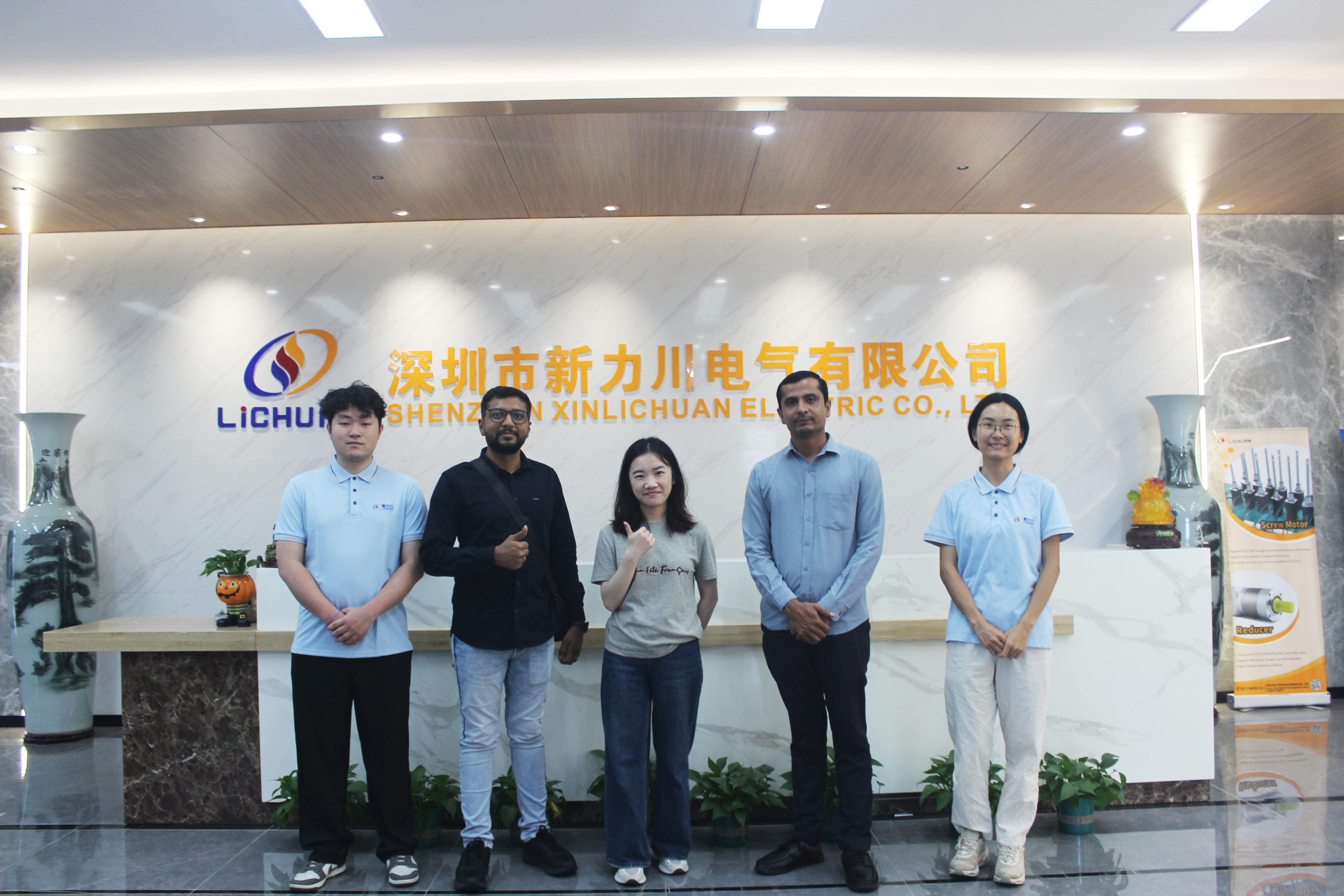
Motion products are only as dependable as the production discipline behind them. LICHUAN operates a 4,410-square-meter self-owned factory with 9 production lines and more than 30 specialized machines. Quality control includes 24-hour high/low temperature aging tests, and the company holds ISO9001:2008 quality management system certification along with CE and RoHS certification.
The company employs over 160 people, including specialized procurement and finance professionals, and maintains a dedicated sales team supporting R&D, manufacturing, and sales. Export reach covers North America, South America, Europe, Russia, East Asia, Southeast Asia, the Middle East, and Africa.
Intellectual property backs the technical claims. As of late 2016, the company had filed 23 patent applications, with 20 patents granted and 11 software copyrights. Professional R&D collaboration with research institutions forms part of its development model, and OEM/ODM customization is available across product lines, along with support for international certification requirements.
Where These Systems Are Deployed
LICHUAN's motion products serve CNC machining (milling, engraving, cutting), 3D printing, warehouse automation (AGV/AMR), robotic joint control, medical diagnostic equipment, textile machinery, 3C electronics manufacturing, and industrial sewing machines. Typical customers are CNC machine builders and DIYers, industrial automation engineers, and OEM manufacturers.
Documented application scenarios include:
- CNC milling and engraving — NEMA 34 closed-loop kits deployed for accurate positioning and reliable torque.
- Logistics robotics — 48V DC integrated servos providing compact, low-voltage motion control on AGV/AMR mobile platforms.
- Electronics assembly — the A8 servo series applied to high-speed, high-accuracy operations in 3C electronics manufacturing.
- Textile and sewing — integrated stepper/servo motors delivering specialized motor control for industrial sewing equipment.
Evaluating a Heavy Duty Servo Motor Driver Partner
For factory automation teams, the criteria that matter when specifying a heavy duty servo motor driver are concrete and checkable: power range, supply voltage flexibility, encoder resolution, ingress protection, control protocol support, and the manufacturing discipline behind the product.
LICHUAN's range answers those criteria in a single portfolio — from NEMA 11 steppers to 37KW high-voltage AC servos, with IP65 and IP66 protection options, 23-bit encoder feedback on the A5 and A8 series, 1000PPR closed-loop feedback with 32-bit DSP control on the stepper side, and ISO9001:2008-certified production supported by 24-hour aging tests. For automation builders seeking servo-grade reliability without servicing a premium servo budget, that combination represents a practical, verifiable path forward.
www.lichuanservo.com
Shenzhen Xinlichuan Electric Co., Ltd.