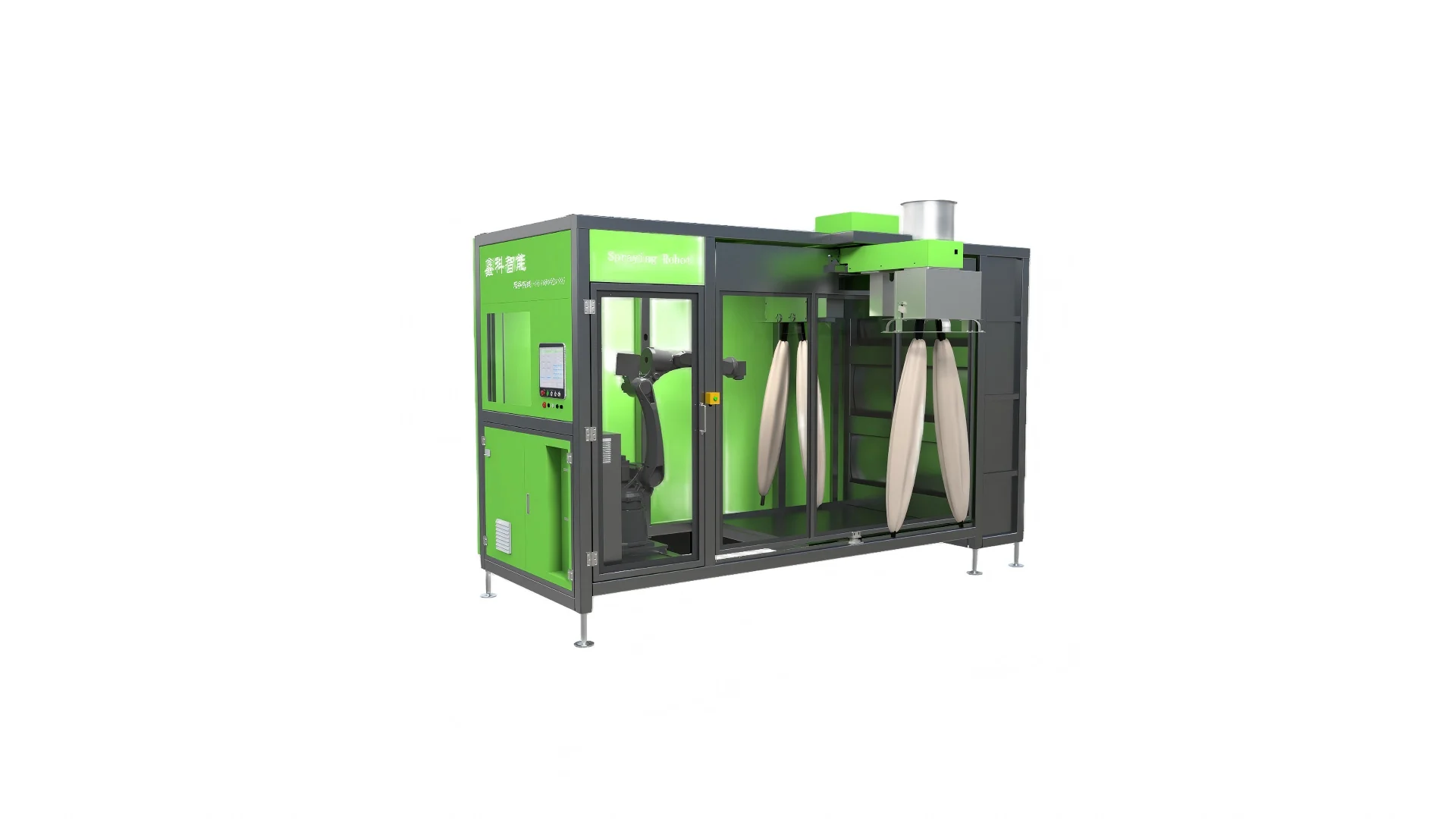
In today’s competitive global denim industry, achieving high-quality finishes at optimal cost is essential. PP spraying workstations for jeans not only improve production consistency but also significantly impact the return on investment (ROI) for manufacturers. Beyond technical performance, these systems influence operational planning, material costs, labor efficiency, and production scalability.
Shinciom Intelligent Equipment Co., Ltd. combines expertise in industrial robotics and textile automation to deliver advanced PP spraying solutions. Their workstations integrate precision spraying, automated workflows, and real-time monitoring systems, enabling manufacturers to optimize both quality and profitability.
This article provides a comprehensive analysis of investment, operational efficiency, and strategic benefits of adopting PP spraying workstations for jeans, helping procurement managers, engineers, and plant executives make informed decisions.
Capital Investment Considerations
When evaluating a PP spraying workstation, manufacturers must consider initial purchase cost, installation, and integration expenses. High-quality systems may require significant capital investment, but this cost is offset by:
-
Reduced labor dependency due to automation
-
Minimized material waste through precise application
-
Higher throughput and production efficiency
A workstation designed for industrial-scale denim production can pay for itself within 12–24 months, depending on production volume and labor cost savings. Customization options, such as multi-garment fixtures or advanced robotic arms, can influence upfront costs but provide long-term operational flexibility.
Material Cost Optimization
One of the largest variable expenses in denim finishing is coating material. PP spraying workstations enhance material efficiency through:
-
Precise atomization, reducing overspray
-
Programmable flow rates tailored to garment type and desired finish
-
Recovery systems for excess spray or mist
Studies have shown that automated spraying can reduce chemical consumption by 15–25% compared to manual techniques. Over time, these savings significantly improve operational margins and reduce environmental impact.
Labor Efficiency and Productivity Gains
Manual spraying or finishing processes require skilled labor, which increases operational costs and introduces variability. Automated PP spraying workstations allow:
-
Consistent application of coatings without operator fatigue
-
Faster cycle times per garment, improving throughput
-
Reduced rework due to uniformity in finishes
For facilities producing thousands of garments daily, these systems can free up labor for other value-added tasks, enhancing overall workforce productivity.
Production Scalability and Flexibility
PP spraying workstations support both small-batch specialty finishes and large-scale production runs. Modular designs and programmable spray patterns allow manufacturers to:
-
Adjust coating intensity and pattern for different denim styles
-
Integrate seamlessly with existing drying, curing, and finishing lines
-
Scale operations without significant additional labor or manual intervention
This flexibility ensures that facilities can respond quickly to market trends and seasonal demand fluctuations while maintaining product quality.
Energy and Resource Management Impact
Operational costs extend beyond labor and materials; energy consumption is a major factor. Modern PP spraying systems incorporate energy-efficient pumps, fans, and recovery mechanisms, resulting in:
-
Lower electricity usage per garment
-
Reduced heat load in finishing areas, minimizing HVAC demand
-
Conservation of coating materials through precise spraying
Manufacturers can achieve sustainability targets and operational cost reductions simultaneously, enhancing both profitability and corporate social responsibility metrics.
Maintenance and Lifecycle Cost Analysis
Long-term operational efficiency depends on ease of maintenance and component durability. PP spraying workstations designed for industrial applications feature:
-
Modular components for quick replacement
-
Accessible nozzles, hoses, and robotic joints
-
Digital sensors for predictive maintenance
These features reduce downtime, extend equipment lifespan, and minimize unplanned maintenance costs. A lifecycle-focused approach ensures that TCO (Total Cost of Ownership) remains favorable, making automation an economically viable long-term investment.
Quality Assurance and Brand Consistency
Automated PP spraying ensures consistent finishes across production batches, critical for brand reputation and compliance with international quality standards. Features include:
-
Multi-axis robotic arms for uniform coverage
-
Programmable patterns for localized effects on seams, pockets, and cuffs
-
Real-time monitoring of spray pressure, flow rate, and coverage
Consistent quality reduces returns, customer complaints, and warranty claims, contributing to long-term financial stability and market competitiveness.
Strategic Advantages for Global Operations
Manufacturers operating in global markets benefit from the adoption of PP spraying workstations in several ways:
-
Standardization of production processes across multiple facilities
-
Compliance with international safety, energy, and environmental regulations
-
Enhanced ability to introduce innovative finishes and seasonal designs quickly
For brands supplying multiple markets, the workstation becomes a strategic tool for maintaining quality consistency and operational efficiency globally.
Supplier Expertise and Post-Sales Support
Choosing a capable supplier like Shinciom Intelligent Equipment Co., Ltd. is critical for maximizing ROI. Key considerations include:
-
Customization of workstation layouts, spray patterns, and automation levels
-
Technical support for installation, training, and ongoing maintenance
-
Integration assistance with existing finishing lines
A supplier with both automation expertise and textile industry knowledge ensures that the investment delivers maximum operational and financial benefits.
Case Studies and ROI Examples
-
A mid-sized denim factory integrated a PP spraying workstation with a multi-garment conveyor system, increasing throughput by 30% and reducing coating waste by 20%, achieving ROI in 18 months.
-
A large-scale operation deployed automated spraying across three finishing lines, standardizing quality across multiple production facilities, and reducing labor costs by 25% annually.
These examples illustrate tangible benefits in efficiency, material conservation, labor savings, and quality consistency.
Conclusion
Investing in a PP spraying workstation for jeans is a strategic decision that balances technology, efficiency, and financial return. By improving precision, reducing labor dependency, optimizing material usage, and ensuring consistent quality, manufacturers can enhance throughput, reduce costs, and maintain competitiveness in global markets.
Selecting the right supplier with proven expertise, robust technical support, and automation solutions tailored to denim finishing ensures that the workstation delivers maximum ROI and operational resilience.
www.shincoimauto.com
Guangzhou shinciom Intelligent Equipment Co., Ltd.