
In today’s manufacturing landscape, efficiency is no longer defined by sheer production scale. Instead, it relies on accuracy, automation, and the seamless integration of intelligent systems. Among the many factors influencing productivity, liquid feeding is a crucial yet frequently overlooked component. Whether in chemical dosing, coating, mixing, or material transfer, inefficient liquid handling can result in waste, inconsistency, and expensive downtime.
Intelligent liquid feeding solutions are reshaping how industries tackle these challenges. By integrating automation, real-time monitoring, and tailored engineering, businesses can boost output while maintaining strict quality standards.
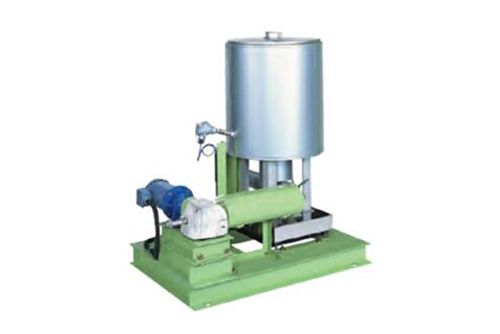
The Overlooked Constraint in Liquid Handling
Across sectors such as advanced materials, electronics, and environmental engineering, liquid substances are often sensitive, reactive, or costly. Conventional feeding methods—whether manual or partially automated—commonly face several limitations:
-
Irregular flow control
-
Material loss during transfer
-
Risk of contamination
-
Heavy reliance on manual labor
-
Limited scalability
Over time, these issues compound, negatively impacting both product quality and operational efficiency. As production volumes grow, these shortcomings become even more evident.
Defining a “Smart” Liquid Feeding System
A modern liquid feeding system does more than simply move or dispense fluids. It incorporates multiple technologies to deliver precision, consistency, and flexibility.
Precision Regulation
Advanced sensors and flow measurement devices enable real-time adjustments, ensuring accurate dosing under varying conditions.
Automation & System Integration
These systems are designed to connect with production lines, PLC controls, and MES platforms, reducing manual input and enabling synchronized workflows.
Data-Based Optimization
Built-in data tracking and analytics allow manufacturers to detect inefficiencies, anticipate maintenance needs, and continuously refine processes.
Flexible, Modular Structure
Adaptable configurations make it easier to handle different materials, viscosities, and production requirements without major redesigns.
Applications Across Key Industries
Smart liquid feeding technologies are widely adopted in several rapidly developing industries:
Advanced Materials
Accurate dosing of resins and additives ensures stable material performance and minimizes batch inconsistencies.
New Energy
Battery production demands precise electrolyte handling. Automated systems improve safety while reducing contamination risks.
Electronics Manufacturing
Processes like coating, etching, and cleaning depend on controlled liquid delivery, where precision directly impacts product quality.
Environmental Engineering
In water treatment and chemical dosing, accurate flow control helps meet regulatory standards while reducing chemical consumption.
Engineering Capabilities Behind High Performance
Deploying an intelligent liquid feeding system requires more than just hardware—it demands strong engineering expertise and industry-specific understanding.
Specialized solution providers combine:
-
Industrial electromechanical systems
-
Material conveying technologies
-
Expertise in chemical and electronic materials
-
Engineering design and consulting services
-
Project management and full system integration
Rather than offering generic equipment, the focus is on customized solutions tailored to each client’s production goals and operational conditions.
Customization Drives Efficiency
No two production environments are identical. Variables such as material properties, production scale, and workspace layout all influence system performance.
A customized solution typically accounts for:
-
Fluid viscosity and chemical compatibility
-
Required dosing precision and flow rates
-
Compatibility with existing equipment
-
Spatial and layout limitations
-
Safety standards and compliance requirements
Addressing these factors enables significant gains in both efficiency and system reliability.
Supporting Sustainability Goals
Improving efficiency also contributes directly to environmental sustainability. Intelligent liquid feeding systems help reduce environmental impact by:
-
Minimizing material waste through precise dosing
-
Lowering energy consumption via optimized processes
-
Reducing emissions with better control systems
-
Enabling cleaner production practices
These benefits support manufacturers in moving toward low-carbon and sustainable operations.
From Standalone Equipment to Digital Integration
A major trend in manufacturing is the transition from isolated machines to fully connected digital ecosystems.
In this context, liquid feeding systems are becoming part of broader intelligent networks where:
-
Equipment communicates in real time
-
Data is shared across departments
-
Decisions are guided by analytics
-
Processes are continuously optimized
This shift allows companies to move from reactive problem-solving to proactive, data-driven management.
Key Considerations for Implementation
When upgrading liquid feeding systems, companies should focus on several practical steps:
Identify Current Challenges
Pinpoint inefficiencies such as inaccurate dosing, downtime, or excessive labor costs.
Set Clear Objectives
Define measurable goals, such as improving consistency or reducing waste.
Select an Experienced Provider
A knowledgeable partner ensures both technical and operational success.
Plan for Future Growth
Choose systems that can scale alongside production demands.
Example: Upgrading a Coating Process
Consider a coating line relying on manual liquid feeding:
-
Operators manually measure and pour liquids
-
Variations cause uneven coating thickness
-
Excess material leads to waste
After implementing a smart system:
-
Automated dosing ensures consistent volumes
-
Real-time monitoring maintains uniformity
-
Waste is significantly reduced
-
Production efficiency improves
The result is enhanced product quality alongside lower operational costs.
Looking Ahead
As manufacturing continues to evolve, liquid feeding technologies will become even more advanced. Future developments may include:
-
AI-powered process optimization
-
Predictive maintenance using machine learning
-
Deeper integration with IoT platforms
-
Greater adaptability to new materials
Companies that adopt these innovations early will gain a competitive edge in increasingly demanding markets.
Conclusion
Smart liquid feeding systems have become a fundamental component of modern manufacturing. By combining precision control, automation, and intelligent data management, they help businesses improve efficiency, reduce waste, and maintain consistent product quality.
With strong engineering support and a commitment to customized, sustainable solutions, advanced system providers enable manufacturers to fully embrace intelligent production—driving both performance and environmental responsibility forward.
www.beyitech.com
Being (Shanghai) Intelligent Technology Co., Ltd.