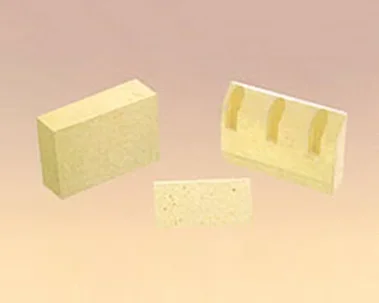
High alumina refractory bricks are essential materials for protecting industrial kiln linings against extreme temperatures, chemical corrosion, and mechanical wear. In cement manufacturing, selecting suitable refractory materials is important for maintaining stable production, reducing maintenance requirements, and extending equipment service life.
However, choosing the right refractory brick involves more than checking its alumina content. Operating temperature, chemical composition, thermal fluctuations, and installation conditions must all be considered.
Applications of High Alumina Bricks in Cement Kilns
Cement production involves several high-temperature processes, each with different refractory requirements. High alumina bricks can be used in selected kiln sections and auxiliary thermal equipment where their material properties match the working environment.
In preheaters and calciners, refractory linings must withstand hot gases, dust, and chemical exposure. Suitable high alumina products can provide thermal protection and mechanical stability under appropriate operating conditions.
Kiln inlet and transition areas require materials capable of handling temperature variations, material movement, and chemical reactions. The selection should consider local alkali concentrations and other process-related factors.
In cooler systems and auxiliary furnaces, high alumina refractory bricks may also provide useful resistance to heat and abrasion, depending on the equipment design and operating temperature.
It is important to remember that no single refractory material is suitable for every section of a cement kiln. Each application requires an independent technical assessment.
Key Factors When Selecting High Alumina Refractory Bricks
1. Alumina Content and Chemical Composition
Alumina content is an important indicator of refractory classification and potential high-temperature performance. However, silica, iron oxide, alkalis, and other chemical components can also influence material behavior. Buyers should evaluate the complete chemical composition instead of focusing exclusively on the alumina percentage.
2. High-Temperature Performance
Refractory bricks must maintain their structural stability under operating temperatures. Refractoriness, refractoriness under load, and permanent linear change are useful parameters for evaluating performance. Actual service suitability also depends on thermal loading and chemical exposure.
3. Mechanical Strength and Abrasion Resistance
Cement kiln environments can expose refractory linings to dust, moving materials, and mechanical impact. Cold crushing strength, bulk density, and apparent porosity provide useful information when comparing different products.
4. Thermal Shock Resistance
Repeated heating and cooling can create internal stresses and damage refractory structures. Materials should therefore be selected according to the kiln's temperature fluctuations and operating cycles.
Factors Affecting Refractory Service Life
Besides material quality, several operating factors influence refractory performance.
Chemical corrosion from alkalis, sulfur compounds, and chlorides can gradually change the material structure. Appropriate material selection requires an understanding of the kiln's process chemistry.
Installation quality is equally important. Incorrect brick alignment, excessive joint thickness, and unsuitable mortar can create weak points within the lining. Following recommended installation procedures helps improve structural stability.
Regular inspection and maintenance can identify localized wear, cracks, and other potential problems before they develop into more serious failures.
Why Technical Specifications Matter
When comparing refractory suppliers, cement plant operators should review alumina content, apparent porosity, bulk density, cold crushing strength, refractoriness under load, and thermal expansion.
These indicators should be considered together because no single laboratory value can fully predict service life.
A detailed purchasing specification should include the intended installation location, operating temperature, chemical environment, dimensional requirements, applicable testing standards, and quality acceptance criteria.
About Wuxi Asia-Pacific Furnaces Co., Ltd.
Established in 1992, Wuxi Asia-Pacific Furnaces Co., Ltd. is a Chinese enterprise specializing in refractory materials and kiln engineering services.
The company's business covers refractory material research and development, manufacturing, sales, kiln engineering design, construction, maintenance, and international trading.
With experience in refractory material production and thermal engineering, the company provides industrial customers with solutions related to refractory applications and kiln projects.
For cement manufacturers evaluating high alumina refractory bricks, discussing the specific kiln zone, operating temperature, chemical exposure, and mechanical requirements with an experienced supplier can help establish a more suitable product specification.
Conclusion
High alumina refractory bricks provide important thermal protection in selected cement kiln applications. Their performance depends on chemical composition, mechanical strength, thermal shock resistance, operating conditions, and installation quality.
By evaluating these factors together and choosing materials according to actual working conditions, cement manufacturers can improve refractory lining reliability and support more efficient kiln operation. Working with an experienced refractory manufacturer also helps ensure that material selection, technical specifications, and engineering requirements are properly coordinated.
www.yxok.com
Wuxi Asia-Pacific Furnaces Co., Ltd.