The global demand for wireless audio products continues to create opportunities for consumer electronics brands, importers, distributors, and retailers. Choosing the right Bluetooth sound system factory is essential for businesses looking to develop competitive products with consistent quality, attractive designs, and reliable production support.
A professional audio manufacturer provides more than assembly services. Product design, acoustic engineering, electronic development, functional testing, and quality management all contribute to the performance of a finished audio system. Understanding these manufacturing capabilities can help buyers make better sourcing decisions.
1. Explore Different Bluetooth Audio Product Categories
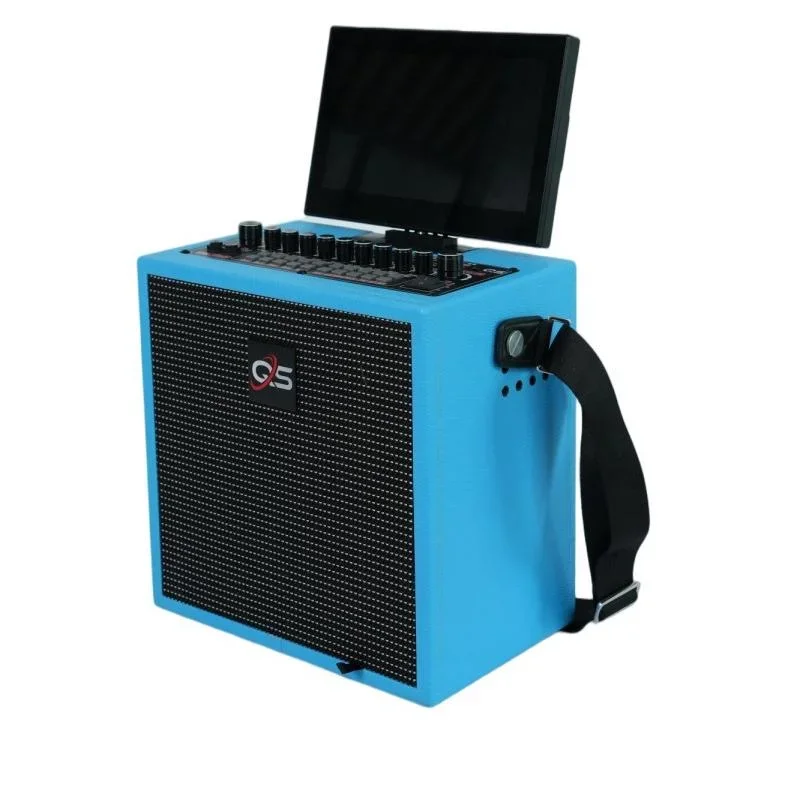
A qualified Bluetooth audio manufacturer may offer a range of products for different consumer needs. Common categories include portable Bluetooth speakers, home karaoke systems, soundbars, home theater equipment, and retro vinyl record players with modern wireless connectivity.
Bluetooth speakers remain popular because they support various applications, from personal listening and home entertainment to retail and promotional programs. Depending on the project, buyers can customize speaker configurations, enclosure materials, colors, control layouts, wireless functions, and packaging.
Home karaoke and home theater products require more integrated engineering. Manufacturers need to coordinate speakers, amplifiers, connection interfaces, audio processing, and user controls to deliver a consistent listening experience.
Working with a factory that supports multiple product categories can also simplify supplier management for brands developing a broader audio portfolio.
2. Understand the Bluetooth Sound System Manufacturing Process
Reliable audio production begins with clearly defined product requirements. Before manufacturing starts, buyers and engineers should confirm the intended market, product functions, design concept, technical specifications, and expected order quantity.
The development process generally includes several stages:
-
Product design: Define the appearance, enclosure structure, materials, and user interface.
-
Electronic development: Select suitable Bluetooth modules, amplifier circuits, power management components, and other electronic parts.
-
Acoustic engineering: Optimize speaker drivers, enclosure design, and sound tuning for the intended application.
-
Prototype testing: Evaluate samples to verify performance, appearance, connectivity, and functionality.
-
Assembly and inspection: Integrate components according to approved specifications and inspect finished products before shipment.
Each stage affects the final result. A well-designed prototype must also be suitable for consistent mass production, making coordination between R&D and manufacturing particularly important.
3. OEM vs. ODM: Which Model Fits Your Business?
OEM and ODM services provide different approaches to customized audio production.
OEM manufacturing is suitable for businesses with established product specifications, branding requirements, or industrial designs. The factory manufactures products according to the agreed requirements and production standards.
ODM services are often more suitable for buyers who want to develop a product using the manufacturer's existing platform, design resources, or engineering expertise. Customization may include appearance, selected functions, product configuration, and branded packaging.
For example, a distributor may choose an existing Bluetooth speaker and customize its logo, color, and retail box. A consumer electronics brand with a distinctive product concept may require more extensive engineering and design support.
The best approach depends on your budget, development timeline, customization needs, and desired level of control.
4. Evaluate Quality Control and Customization Capabilities
Quality control should cover the entire manufacturing process, from incoming components to finished products. Important checks may include Bluetooth pairing, audio playback, charging, button operation, battery performance, and visual appearance.
Depending on the product, audio inspections may also evaluate abnormal noise, distortion, and channel performance. Repeat orders should follow approved samples, technical specifications, and consistent inspection procedures.
Customization is another important consideration. A capable factory may support logo printing, enclosure modifications, color selection, electronic configuration, sound tuning, and retail packaging. Buyers should also discuss applicable certification and compliance requirements for their destination markets before production.
Clear communication during sampling and approval helps reduce misunderstandings and unnecessary production changes.
5. Shenzhen Qinsheng Feiyang Technology Co., Ltd.: An Audio Manufacturing Partner
Shenzhen Qinsheng Feiyang Technology Co., Ltd. integrates R&D, production, and sales, providing audio product development and OEM and ODM services for business customers.
Its product portfolio includes Bluetooth speakers, smart home karaoke systems, home theater audio systems, and retro artistic vinyl record players. These categories serve different consumer audio and home entertainment applications.
For brands and distributors, an integrated manufacturing partner can help coordinate product development, component selection, customization, production, and quality inspection. This approach supports a more structured process from initial product concepts to commercial manufacturing.
When evaluating any potential supplier, buyers should confirm the factory's actual production capabilities, sample approval procedures, quality documentation, and experience with the requirements of their target markets.
Conclusion
Selecting a reliable Bluetooth sound system factory requires more than comparing unit prices. Product development expertise, manufacturing processes, customization options, quality control, and communication all influence the success of an OEM or ODM project.
By evaluating these factors carefully, brands, importers, and distributors can identify suitable manufacturing partners and develop audio products that meet their market requirements. Whether the goal is to launch Bluetooth speakers, karaoke systems, or home theater equipment, a well-managed manufacturing partnership provides a stronger foundation for long-term business growth.
www.qinshengspeaker.com
Shenzhen Qinsheng Feiyang Technology Co., Ltd.