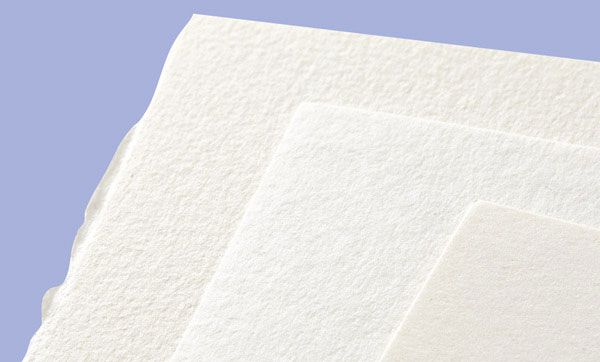
In composite packaging, the performance of a finished material depends on more than the properties of its most visible layer. Aluminum foil may provide an important barrier function, but the paper backing also affects the material’s strength, surface condition, dimensional stability, and behavior during converting. When paper quality varies from one batch to another, these differences can influence the consistency of the entire composite structure.
For packaging manufacturers, consistent raw materials are essential to maintaining predictable production results. A material that performs well during initial testing may still create difficulties if its paper backing changes in thickness, moisture content, surface smoothness, or mechanical strength between deliveries. These variations can affect lamination, cutting, folding, printing, and the appearance of the finished package.
Why Paper Consistency Matters in Composite Materials
Aluminum foil paper combines a metallic foil layer with an adhesive layer and a paper backing. Each component has a different role, and the finished material must perform as a coordinated structure rather than as three independent materials.
The foil contributes barrier protection and a metallic surface. The adhesive holds the layers together, while the paper provides mechanical support and influences how the composite material can be handled and processed.
Paper quality becomes especially important when the material moves through several manufacturing stages. During unwinding, feeding, cutting, folding, and forming, the backing must maintain sufficient strength and dimensional stability. If the paper behaves differently across a production batch, operators may need to make adjustments to equipment settings, and the finished packaging may show greater variation.
This is why material evaluation should consider not only whether a paper grade meets its nominal specification, but also whether it maintains consistent characteristics throughout production.
Four Paper Characteristics That Influence Production Results
1. Basis Weight and Thickness
Paper basis weight affects the amount of material used per unit area and contributes to the mechanical characteristics of the backing. A change in basis weight can influence stiffness, handling, and the way aluminum foil paper responds to folding or forming.
However, a higher basis weight does not automatically mean better performance. The appropriate specification depends on the intended application, the required flexibility, the structure of the composite, and the equipment used during conversion.
Paper thickness also deserves attention. Uneven thickness across a roll can affect contact between layers during lamination and may create inconsistencies in the finished material. For converters working with narrow tolerances, uniformity across the roll can be just as important as the nominal thickness itself.
Suppliers and buyers should therefore establish clear specifications for basis weight and thickness, along with suitable inspection methods for incoming materials.
2. Surface Smoothness and Formation
The surface of the paper backing can influence adhesive application, contact between layers, and the appearance of the finished composite. A relatively uniform surface helps create more predictable conditions during lamination.
Paper formation is another factor. Variations in fiber distribution can lead to differences in local strength and surface structure. These differences may not be obvious when looking at a small sample, but they can become more noticeable across a full production roll.
Surface defects, uneven areas, and contamination should be assessed in relation to the intended application. For materials used in decorative packaging, visual consistency may be a major concern. For materials processed at high speed, surface uniformity and stable feeding behavior may receive greater attention.
3. Tensile Strength and Resistance to Handling Stress
Paper must withstand the forces generated during unwinding, conveying, slitting, and other converting operations. If the backing has insufficient strength for the process, it may stretch, tear, or become difficult to control.
Tensile strength is only one part of the evaluation. The direction of the paper fibers, edge quality, and the distribution of strength across the sheet can also influence how the material behaves. A paper grade that performs adequately under one set of conditions may not be suitable for another line operating at a different speed or tension.
Packaging manufacturers should evaluate the paper backing within the complete aluminum foil paper structure. The objective is to select a material that provides adequate support without making the composite unnecessarily rigid.
4. Moisture Content and Dimensional Stability
Paper responds to changes in moisture and surrounding environmental conditions. Variations in moisture content can influence its dimensions, flexibility, and mechanical behavior.
If the paper expands or contracts unevenly, the composite may become more difficult to handle during lamination or subsequent processing. Dimensional changes can also affect the flatness of the material and the consistency of finished packaging components.
Storage and handling are therefore part of material quality management. Rolls should be protected from excessive humidity, direct exposure to water, and unsuitable storage conditions. Allowing materials to stabilize in the production environment before processing may also help reduce unexpected changes, depending on the material and operating requirements.
How Paper Quality Affects the Lamination Process
Lamination brings together materials with different physical properties. For the process to remain stable, the paper surface, foil, adhesive, and operating conditions must be compatible.
Paper with inconsistent surface characteristics may affect how adhesive is distributed or how effectively the layers make contact. Differences in moisture content can also influence the paper’s behavior during processing. If the backing varies significantly between batches, production settings that worked well previously may not deliver the same results.
This does not mean that every lamination defect originates in the paper. Adhesive selection, coating weight, temperature, pressure, line speed, web tension, and curing conditions may all contribute to the final result. When a problem occurs, the complete process should be examined rather than changing one material specification without evidence.
A practical quality review can include:
-
Checking the paper backing for thickness, basis-weight, and surface variations.
-
Reviewing adhesive application and lamination conditions.
-
Comparing samples from different production batches.
-
Inspecting the finished composite for bonding problems, wrinkles, surface defects, or dimensional changes.
-
Recording the material lot and production conditions so that recurring problems can be traced.
A systematic approach helps distinguish raw-material variation from issues arising during processing.
Why Consistency Matters After Lamination
The paper backing continues to influence the material after the foil and paper have been bonded together. The composite may subsequently be printed, slit, cut, folded, or formed into a specific packaging component.
For example, a backing with suitable stiffness can help the material retain its shape during handling. Adequate tensile strength supports smooth movement through converting equipment, while stable dimensions help maintain more predictable cutting and folding results.
The requirements differ by application. Cigarette inner lining paper may need to meet particular expectations for appearance, folding, and processing stability. Decorative packaging may place greater emphasis on surface uniformity and visual quality. Other applications may require a different balance of flexibility, strength, and barrier performance.
There is no single paper specification that suits every product. The right choice depends on the full packaging structure and the conditions under which the material will be used.
Establishing a More Reliable Material Specification
A clear material specification gives buyers and suppliers a common basis for evaluating quality. It also reduces the risk of relying on general descriptions such as “high strength” or “good surface quality” without measurable criteria.
Depending on the application, a specification may include:
| Evaluation item | Why it matters |
|---|---|
| Basis weight | Helps control the amount of paper used and contributes to stiffness and handling characteristics |
| Thickness and uniformity | Supports consistent material dimensions and processing behavior |
| Tensile strength | Helps assess resistance to tension during unwinding and converting |
| Surface condition | Influences appearance and may affect lamination and printing |
| Moisture content | Relates to dimensional stability and changes during storage or processing |
| Bonding performance | Helps verify the integrity of the completed composite structure |
These items should be defined according to the product’s actual requirements. Testing methods, acceptable tolerances, sampling frequency, and inspection procedures should also be agreed upon where necessary.
When evaluating a new supplier, buyers can request representative samples and assess them under conditions similar to their own production environment. Laboratory measurements provide useful information, but trials on the intended equipment can reveal handling or converting issues that may not appear during a basic material inspection.
Working With the Right Aluminum Foil Paper Supplier
Reliable composite packaging begins with clear communication between the material supplier and the converter. Buyers should explain the intended application, the required dimensions, the processing method, and any specific performance expectations. Suppliers can then recommend a suitable structure rather than relying on a generic material description.
It is also useful to discuss batch consistency, roll specifications, surface requirements, packaging methods, and how material changes will be communicated. These details become particularly important when a packaging line depends on stable input materials to maintain production efficiency.
For companies comparing material options, reviewing the construction and intended applications of aluminum foil paper can provide a useful starting point. The choice should ultimately be based on the requirements of the finished packaging, the properties of the complete composite, and the results of appropriate testing.
A supplier’s role extends beyond delivering rolls that meet a basic description. Consistent production, clear technical specifications, and responsive communication help buyers evaluate material suitability and manage changes before they affect finished packaging.
Consistency Is Built Into Every Layer
The quality of composite packaging depends on how well its individual materials work together. Aluminum foil, adhesive, and paper backing each contribute to the finished structure, and variations in any layer may affect the result.
Paper selection should therefore account for basis weight, thickness, strength, surface condition, and dimensional stability—not just the cost or appearance of the raw material. When these characteristics are evaluated alongside lamination conditions and downstream processing requirements, packaging manufacturers can make more informed material decisions.
A well-matched paper backing helps create a composite material that is easier to process and more consistent from batch to batch. For buyers and converters, that consistency supports dependable production and helps maintain the quality expected from the finished package.
www.jinhengpkg.com
Jiangsu Jinheng New Packaging Materials Co., Ltd.