
For logistics companies, choosing the right trailer often means finding equipment that can handle different types of cargo while keeping daily loading and transportation operations simple. A side wall semi-trailer is a practical choice for general freight because it combines an open loading platform with side panels that help contain and protect cargo during transportation.
For businesses looking for a side wall semi-trailer manufacturer in China, carrying capacity is only one part of the decision. Platform dimensions, side wall design, loading efficiency, cargo securing, axle configuration, and customization options can all influence how well the trailer performs in everyday logistics work. Liangshan Yiyang Trailer Parts Co., Ltd. integrates design, R&D, production, and sales to provide practical semi-trailer solutions for different transportation requirements.
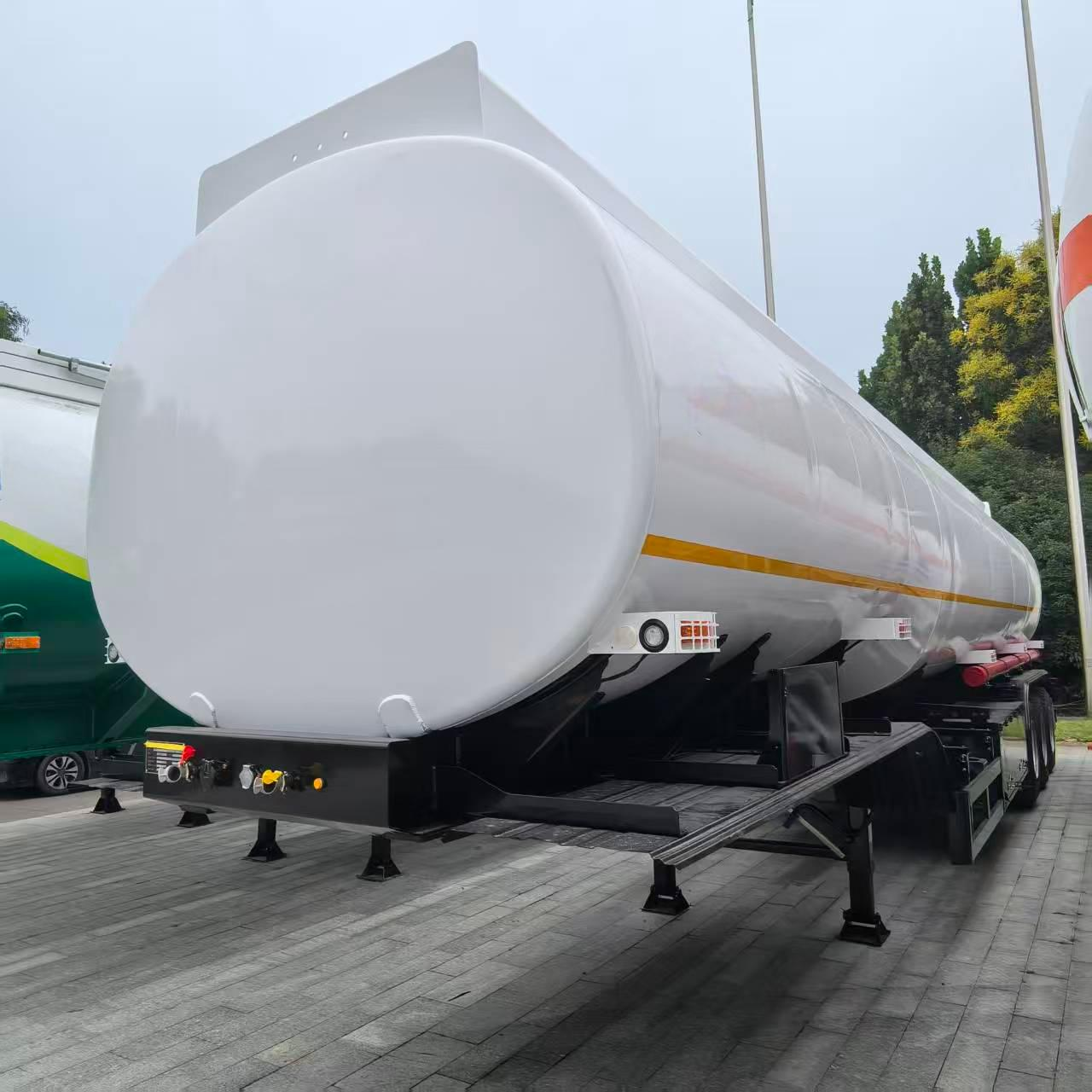
Product Name: 4-Axis, 42-Cubic-Meter, 3-Bay Full-Trailer Tank Truck
What Is a Side Wall Semi-Trailer Used For?
A side wall semi-trailer has an open cargo platform surrounded by fixed or removable side panels. Compared with a completely flat platform, the side walls create an additional boundary around the loaded goods, providing greater flexibility for general cargo transportation.
This straightforward structure allows the trailer to handle many different types of freight, including:
-
Steel products
-
Construction materials
-
Bagged goods
-
Agricultural products
-
Machinery and equipment
-
Pallets
-
Wooden products
-
Industrial components
-
General packaged cargo
Depending on the design, the side panels can also be configured for different cargo heights and loading requirements.
For logistics operators handling several categories of freight, this versatility can be more practical than using separate specialized trailers for every type of cargo.
Customers can also explore available semi-trailer solutions and discuss a suitable configuration according to their cargo, loading process, and transportation conditions.
1. Can One Trailer Handle Different Types of Cargo?
General freight operations rarely involve exactly the same cargo on every trip.
A logistics company may transport steel materials on one route, construction supplies on another, and palletized goods on the next. Maintaining a different specialized trailer for each cargo type can increase fleet complexity and reduce equipment flexibility.
A side wall semi-trailer provides a useful balance.
The open deck allows different types of cargo to be loaded, while the side panels create a defined loading area and provide additional lateral containment. This makes the trailer suitable for businesses whose freight requirements change from one trip to another.
For regional and long-distance transportation companies, this flexibility can help improve trailer utilization because the same unit can be assigned to different cargo tasks according to actual demand.
2. How Do Side Walls Help with Cargo Containment?
One of the main features of a side wall semi-trailer is the physical boundary formed by the side panels.
These panels are not a substitute for proper cargo securing equipment, but they can provide useful lateral support and help keep certain types of goods within the loading area.
This can be particularly helpful when transporting palletized products, packaged construction materials, bags, boxes, and other unitized cargo. After the goods are positioned on the platform, operators can use suitable straps, chains, or other approved restraint systems according to the cargo and transportation conditions.
The appropriate securing method should always be determined based on factors such as cargo weight, shape, packaging, road conditions, and applicable transportation regulations.
3. Does a Side Wall Design Make Loading More Difficult?
Loading convenience is an important consideration when choosing a trailer with side panels.
A properly designed side wall semi-trailer can still provide practical access to the cargo platform. Depending on the configuration, side panels may be opened, folded, removed, or otherwise arranged to accommodate different loading methods.
This allows operators to work with equipment already available at their facilities.
Forklift Loading
Palletized goods and packaged materials can be loaded with forklifts when suitable side or rear access is available.
Crane Loading
Steel components, machinery, and other heavy materials can be positioned with cranes when required.
Manual Loading
Smaller packages and lightweight cargo can be arranged directly on the platform where manual handling is appropriate.
Therefore, the loading equipment used at the customer's warehouse, factory, or construction site should be considered when selecting the side wall configuration.
4. Why Is an Open Platform Useful for Oversized Cargo?
General cargo is not always small or uniform. Long pipes, steel sections, timber, machinery components, and construction materials may have irregular shapes or dimensions that are difficult to accommodate in an enclosed trailer.
The open platform of a side wall semi-trailer provides greater flexibility for these types of loads. Operators can also see the entire loading area more easily, making cargo positioning and inspection more convenient.
However, when cargo extends beyond the normal dimensions of the trailer, local transportation regulations may apply. Operators should confirm applicable requirements and obtain the necessary permits before moving oversized loads.
5. How Should Side Wall Height Be Selected?
Side wall height should be selected according to the actual cargo and loading process rather than treated as a simple appearance feature.
Lower side panels may be suitable for cargo that is relatively stable or frequently loaded by crane. Higher side panels can provide additional containment for goods that require greater lateral support.
Other factors, including panel material, thickness, connection method, and overall structural design, can also influence durability and ease of use.
A professional side wall semi-trailer factory should therefore evaluate the customer's application before recommending a standard configuration.
When discussing a customized trailer, buyers should provide information such as:
-
Main cargo type
-
Typical cargo dimensions
-
Average load weight
-
Loading equipment
-
Loading frequency
-
Transportation distance
-
Road conditions
-
Required side wall height
-
Preferred axle configuration
The more accurate these details are, the easier it is for the manufacturer to develop a trailer that fits the customer's actual workflow.
6. Where Can Side Wall Semi-Trailers Be Used?
Side wall semi-trailers are particularly practical for logistics and industrial distribution operations where cargo types can change frequently.
For example, a logistics company serving construction projects may need to transport steel products, equipment, pallets, packaged materials, and construction supplies on different routes. A side wall configuration allows one trailer platform to accommodate many of these applications.
Manufacturing companies can also use this type of trailer to move components between factories, warehouses, distribution centers, and customers.
Agricultural businesses may also use the open platform for transporting packaged agricultural products, equipment, and related materials, provided that the cargo is properly secured and the configuration complies with applicable regulations.
The common advantage across these applications is flexibility.
7. What Structural Features Should Buyers Pay Attention To?
Versatility is valuable, but a trailer must also be able to withstand repeated commercial use.
The main frame carries the primary load, while cross members help support the deck and distribute forces from the cargo. Axles, suspension systems, tires, braking components, and connecting systems all contribute to the trailer's overall operating performance.
General cargo transportation can create changing load conditions. One trip may involve evenly distributed pallets, while another may involve heavier loads concentrated in particular areas.
For this reason, proper loading remains essential even when the trailer has a strong structural design.
A reliable China semi-trailer supplier should be able to discuss the expected operating conditions and help customers determine an appropriate configuration before production.
8. Why Is the Manufacturer Important When Purchasing a Semi-Trailer?
Purchasing directly from a manufacturer can make technical communication and configuration discussions more straightforward, particularly when customers require customized specifications.
Liangshan Yiyang Trailer Parts Co., Ltd. was established on November 23, 2016, and is located at No. 16-105, Southwest Lu International Auto Parts City, Quanpu Town, Liangshan County, Jining City, Shandong Province, China.
The company integrates design, scientific research and development, production, and sales. Its location near the Beijing-Kowloon Railway and National Highway 220 provides convenient transportation access for logistics and shipment arrangements.
The company's business scope covers various automotive and mechanical products, including auto parts, construction machinery, mining machinery, agricultural machinery, hydraulic components, tires, metal materials, mechanical equipment, and related products.
This integrated industrial background can support communication with customers involved in machinery transportation, equipment distribution, industrial components, and general freight.
For customers searching for a China semi-trailer factory and supplier, discussing cargo characteristics and operating conditions directly with the manufacturer can help reduce the possibility of configuration mismatches.
9. What Should Buyers Confirm Before Placing an Order?
Although a side wall semi-trailer has a relatively straightforward structure, several specifications should be confirmed carefully before purchasing.
Platform Dimensions
The platform length and width should match the dimensions of the cargo normally transported.
Side Wall Configuration
Determine whether fixed, removable, folding, or another side panel design is more convenient for the loading operation.
Axle and Suspension
The axle and suspension configuration should correspond to the expected load and local road conditions.
Cargo Securing
Check whether the trailer provides suitable locations for straps, chains, or other appropriate cargo restraint equipment.
Loading Method
Confirm that the trailer works effectively with the forklifts, cranes, ramps, or other loading equipment used at the customer's facilities.
Operating Conditions
Road quality, transportation distance, weather, cargo frequency, and daily operating hours should all be considered when selecting the configuration.
These practical factors can provide more useful guidance than simply comparing the external appearance or nominal specifications of different trailers.
How Does a Side Wall Semi-Trailer Compare with a Flatbed?
Both side wall semi-trailers and fully open flatbeds can transport general cargo, but their designs serve somewhat different operational requirements.
A flatbed provides maximum open access around the cargo platform, which can be useful for certain oversized loads and crane-loading operations.
A side wall semi-trailer adds side panels around the platform, offering additional containment for palletized goods, packaged products, construction materials, and mixed general freight.
For logistics companies that need the flexibility of an open platform while also wanting additional boundaries around the cargo area, a side wall configuration can provide a practical balance between accessibility and containment.
What Makes a Side Wall Semi-Trailer Practical for General Freight?
The main advantage of a side wall semi-trailer is its ability to adapt to changing transportation requirements.
Instead of being limited to one specialized cargo type, it can support a broad range of general freight while retaining an open loading platform. Side panels provide additional boundaries around the cargo, while flexible loading access can make routine handling more convenient.
This adaptability can be especially valuable for fleet operators whose cargo volumes and freight categories change throughout the year.
Liangshan Yiyang Trailer Parts Co., Ltd. takes customer satisfaction as its pursuit goal and follows the business policy of creating premium products and providing first-rate services. With integrated capabilities covering design, R&D, production, and sales, the company can work with customers to discuss trailer configurations based on their actual transportation requirements.
For buyers selecting a side wall semi-trailer, the most practical approach is to start with the cargo and loading process. Platform dimensions, side wall structure, axle and suspension configuration, cargo securing, and operating conditions can then be determined around those requirements.
This application-focused method helps ensure that the final trailer is designed for real logistics work rather than simply matching a standard product specification.
www.yiyangtrucks.com
Yiyang